Cinematic background for Rick Rosenthal
Verified Industry Legend
verified

Rick
Rosenthal

Horror Legacy Director & Episodic Television Specialist

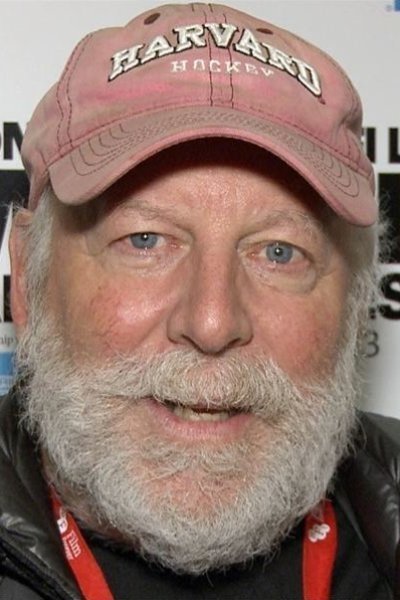
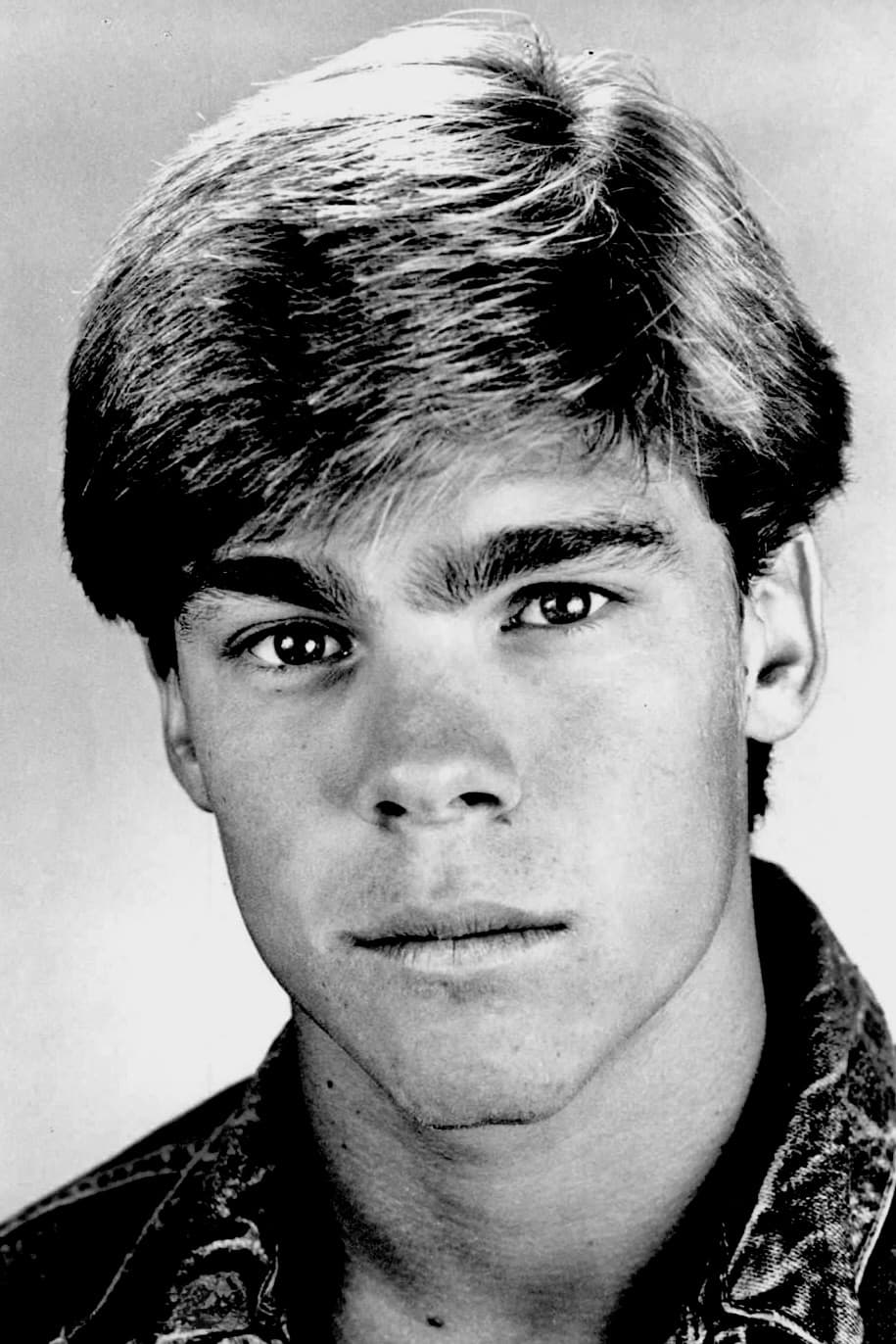
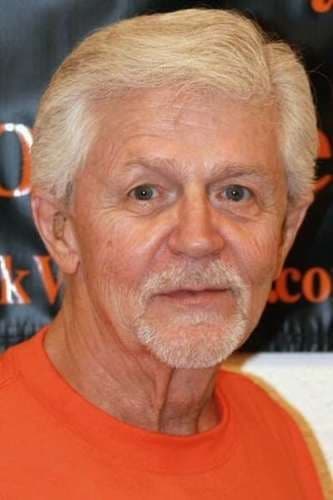
Headshot of Rick Rosenthal
StudioWhitewater Films
DisciplineDirector
RegionNorth America
StatusJohn Cassavetes Award Winner
FollowIMDb

Represented By

Convention All Stars LLCConvention All Stars LLCNot yet on Taleventry

Booking Intelligence

live_tv

Peacock + Halloween II + High viewership during seasonal slasher marathons.

Known For

Director

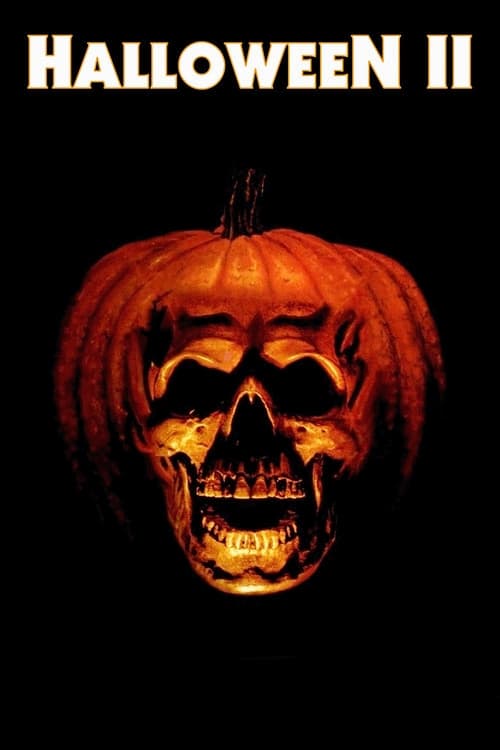
Halloween II

Universal Pictures·1981

The suspenseful hospital setting Rosenthal created made fans identify him as the legitimate successor to John Carpenter — his presence at conventions is essential for those collecting the 'complete' legacy of Michael Myers.

Director

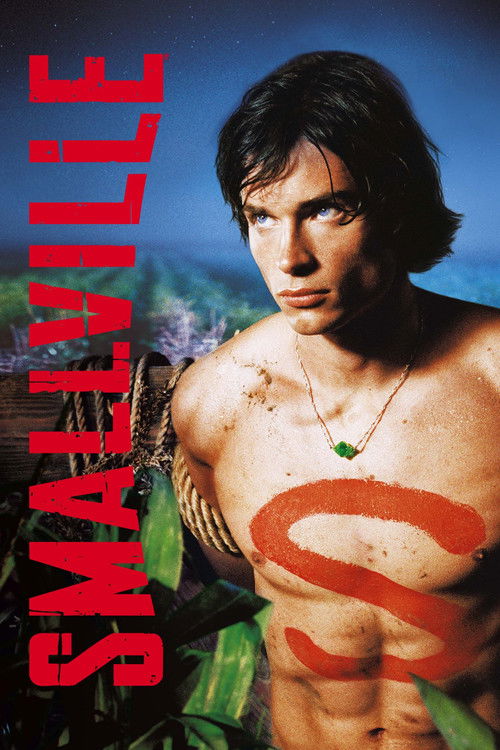
Smallville

The WB/The CW·2002–2008

Rosenthal directed seven episodes including pivotal season openers, creating a visual style that defined Clark Kent's journey — fans show up to panels to hear the technical secrets of early superhero television.

Director

Buffy the Vampire Slayer

The WB·2002

His work on the episode 'Help' captured the emotional weight of the final season, earning him a place in the rewatch culture that still dominates genre conventions today.

Uncle Richard

Life Goes On

ABC·1989–1991

Fans of 90s family drama identify with his recurring on-screen presence as a grounding force, often seeking autographs to complete cast-wide collections from this landmark series.

Why Book Rick Rosenthal

The Halloween fandom remains one of the top three most active convention demographics, consistently driving high-volume autograph queues for anyone associated with the Michael Myers lineage. Fans show up specifically to meet the director who transitioned the franchise from the 1970s into the 1980s slasher boom, a period currently seeing a massive resurgence in physical media collecting. With Halloween II frequently topping streaming charts every October, Rosenthal is a dateable booking choice for any horror-centric event in late Q3 or Q4.

Convention Experience

Halloween 45: 45 Years of Terror·Pasadena2023

Fan Engagement

Verified as highly professional at large-scale genre events, specifically noted for sharing technical anecdotes about the Halloween sets with franchise collectors.

Recent Work

theaters

Alien Contact

2024
Director/Film/Completed

His most recent directing work in the sci-fi space.

Rick — Biography

Rick Rosenthal is an American director and producer who shaped the visual language of the slasher genre before becoming a mainstay in peak-era genre television. He is best known for directing the 1981 sequel Halloween II, a film that transitioned the Michael Myers mythos from suburban suspense to high-tension medical horror. Rosenthal later returned to the franchise for Halloween: Resurrection, cementing his status as a key figure in the survival of the Michael Myers legacy across different decades. Beyond horror, Rosenthal transitioned into a prolific career directing foundational episodes o…

Community Verdict

Seen Rick Rosenthal Live?

Rate the guest experience from 1 to 10. If you leave a comment, it can appear publicly in the User Feedback section.

Scores stay hidden until at least 3 ratings are submitted.

Checking sign-in status...

Career Acts & Milestones

The Slasher Architect

1981–1987

The Slasher Architect

Rosenthal inherits the Halloween mantle directly from John Carpenter, taking on the risk of following a cinematic masterpiece. He proves his technical precision by delivering a sequel that fans accept as the definitive continuation. This period establishes him as a director who can handle massive IP with visual consistency.

"I wanted to make sure the transitions were seamless."

The Network Workhorse

1997–2010

The Network Workhorse

He shifts his focus to the explosion of genre television, becoming a reliable hand for the WB and UPN eras. He risks being labeled a 'journeyman' but instead builds a reputation for elevating episodic scripts into cinematic experiences. His work on Buffy and Smallville defines the look of early 2000s fantasy TV.

The Independent Steward

2011–Present

The Independent Steward

Rosenthal leverages his industry standing to produce independent films that would otherwise struggle for funding. He prioritizes storytelling over commercial safety, winning major indie awards in the process. This era proves his commitment to the craft of filmmaking beyond the director's chair.

Industry Recognition

2005
military_tech

John Cassavetes Award

Best Feature

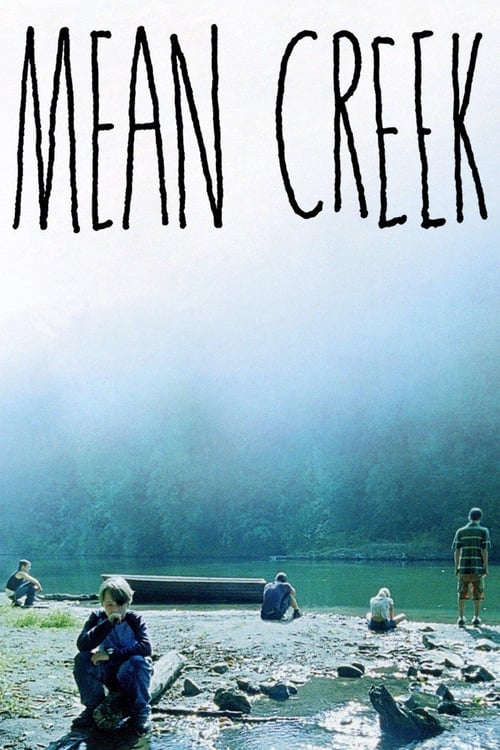
Mean Creek

2015
military_tech

Emmy Nomination

Best Documentary

The Homestretch

Craft & Expertise

local_fire_department

Slasher Aesthetics

Rosenthal maintained the cinematic continuity of the Halloween franchise while introducing the claustrophobic hospital setting. His work on Halloween II (1981) defined the visual standards for 1980s slasher sequels.

movie_creation

Episodic Genre Building

He directed pivotal episodes for Smallville and Buffy the Vampire Slayer during their most culturally significant seasons. This work required balancing established series lore with high-concept visual storytelling.

workspace_premium

Indie Production Strategy

Through his company Whitewater Films, he produced acclaimed titles like Mean Creek and Won't You Be My Neighbor?. He focuses on projects that prioritize character-driven narratives over spectacle.

visibility

Franchise Management

Returning to Michael Myers decades later for Halloween: Resurrection proved his ability to adapt to changing audience tastes. He bridged the gap between 1980s practical horror and 2000s digital-age storytelling.

The Registry

Total Credits

111

Career Span

1975-2026

Peak Decade

2000s

Peak Credits

32 titles

By Decade

1970s3
1980s17
1990s13
2000s32
2010s27
2020s19

By Role

Direction46%
Producing44%
Acting9%
Director5%
Writing2%
Camera1%

By Genre

Horror35%
Drama30%
Action20%
Sci-Fi15%
star

Highest rated credit: Smallville (2001) — 8.2/10 · Director

Complete Filmography — Rick

The Shepherd and the Bear

The Shepherd and the Bear

2026

Yo (Love Is a Rebellious Bird)

Yo (Love Is a Rebellious Bird)

2026

Move Ya Body: The Birth of House

Move Ya Body: The Birth of House

2025

The Grab

The Grab

2024

Alien Contact

Alien Contact

2024

Food and Country

Food and Country

2024

I Hate Myself and Want to Die

I Hate Myself and Want to Die

2024

Invisible Beauty

Invisible Beauty

2023

Stay Awake

Stay Awake

2023

The Cow Who Sang a Song into the Future

The Cow Who Sang a Song into the Future

2023

Art for Everybody

Art for Everybody

2023

Small Engine Repair

Small Engine Repair

2021

Citizen Ashe

Citizen Ashe

2021

Civil War (Or, Who Do We Think We Are)

Civil War (Or, Who Do We Think We Are)

2021

Rebel Hearts

Rebel Hearts

2021

The Boy Behind the Door

The Boy Behind the Door

2020

Feels Good Man

Feels Good Man

2020

Standing Up, Falling Down

Standing Up, Falling Down

2020

Love & Stuff

Love & Stuff

2020

Won't You Be My Neighbor?

Won't You Be My Neighbor?

2018

Dark Money

Dark Money

2018

Saving Capitalism

Saving Capitalism

2017

Punching Henry

Punching Henry

2017

Bending the Arc

Bending the Arc

2017

Notable Locations

United StatesCanada

Los Angeles

United States

location_on

Productions

Halloween IIBuffy the Vampire SlayerHalloween: Resurrection

Primary production base for his horror work and genre television.

Vancouver

Canada

location_on

Productions

SmallvilleHaven

Filmed multiple key episodes for the DC Comics adaptation here.

Chicago

United States

location_on

Productions

Bad BoysEarly Edition

Location for his acclaimed 1983 gritty drama starring Sean Penn.

Editorial & Reference

Rick Rosenthal: The Director Behind Halloween II and the Michael Myers Legacy

Rick Rosenthal operates with a visual discipline that suggests a deep respect for the camera's ability to create dread through stillness. While many slasher directors of the 1980s leaned into gore, Rosenthal's work on Halloween II focused on the architecture of the Haddonfield Memorial Hospital. He uses long hallways and heavy shadows to turn a sterile environment into a labyrinth, a technique he would later adapt for the supernatural corridors of Buffy and the high-stakes hospital rooms of Grey’s Anatomy and Strong Medicine.

His career shows a recurring fascination with institutional settings and how individuals navigate them under pressure. Whether it is Sean Penn in a juvenile detention center in Bad Boys or Michael Myers in a psychiatric ward, Rosenthal finds tension in the walls as much as the characters. This spatial awareness is why promoters book him for horror panels; he doesn't just talk about the kill, he talks about the setup. He represents the bridge between the auteur-driven horror of the 70s and the highly polished television of the 2000s.

Shadows stretching across a deserted hospital hallway define the specific tension that Rick Rosenthal brought to the horror genre. When he took the helm of Halloween II in 1981, the pressure to follow a cultural phenomenon was immense. Rick Rosenthal played a critical role in the Halloween franchise by choosing to continue the story on the exact same night as the original film, a decision that cemented the 'Shape' as a relentless, unstoppable force. Halloween II ran in theaters in 1981 and became a cornerstone of the slasher era, proving that the world John Carpenter built could be expanded without losing its atmospheric dread.

Rick Rosenthal is an American director best known for directing Halloween II and returning for Halloween: Resurrection in 2002. Beyond his slasher roots, he became a foundational director for the WB Network during its most influential years. He directed multiple episodes of Smallville between 2002 and 2008, including high-stakes episodes that dealt with Clark Kent's burgeoning powers. His television work is a frequent topic of discussion for fans who follow the 'Golden Age' of genre TV, where directors like Rick Rosenthal brought cinematic quality to the small screen on shows like Buffy the Vampire Slayer and Law & Order: Special Victims Unit.

Promoters booking Rick Rosenthal will find an audience that spans three distinct generations of fans. There are the 80s horror purists who view Halloween II as the only essential sequel, the 90s television enthusiasts who recognize his name from the credits of their favorite dramas, and a younger wave of Michael Myers fans discovering his work on streaming platforms. At conventions like Halloween 45 in Pasadena, the demand for Rick Rosenthal signings remains high because he represents the primary source of information on how the slasher formula was perfected for the 1980s. He is often the centerpiece of panels regarding franchise longevity and the technical challenges of horror cinematography.

The question of what Rick Rosenthal has done since his early horror success is answered by his prolific output as a producer. Through Whitewater Films, he has focused on independent stories that challenge audiences, such as the 2004 drama Mean Creek, which won a John Cassavetes Award. This transition into production shows his range as a filmmaker who values character over spectacle. Fans who ask whether Rick Rosenthal still attends conventions will find him to be an engaging storyteller who bridges the gap between the gritty film sets of the early 80s and the highly organized productions of modern streaming hits like Transparent, where he served as a producer.

Meeting Rick Rosenthal in person offers fans a look behind the curtain of some of the most iconic IP in history. He provides a direct link to the Michael Myers legacy that few other living directors can claim. For a promoter, he is a reliable draw who anchors a horror lineup with authority and historical weight. His presence ensures that a convention isn't just a place for merchandise, but a destination for film history and craft analysis.

Frequently Asked

8 questions answered

Rick Rosenthal

Verified by Taleventry Editorial © 2026

This profile is researched by our intelligence system and reviewed by our editorial team. How it works