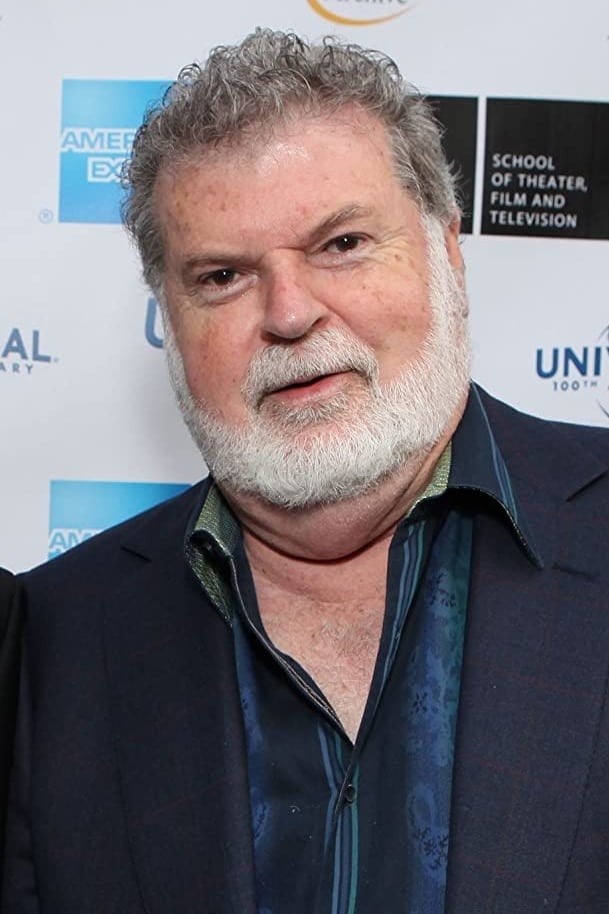
Dean
Cundey
Legendary Cinematographer & Visual World-Builder
Current Studio
Universal Pictures
Primary Discipline
Cinematography
Region
North America
Status
Academy Award Nominee for Best Cinematography
Follow
Represented By
 Convention All Stars LLCNot yet on Taleventry
Booking Intelligence
The recent release of 'The Thing Expanded' (April 2026) and the ongoing popularity of his work on 'The Book of Boba Fett' (Disney+) drive current fan interest.
Known For
Director of Photography
Halloween
The voyeuristic, floating camera work he created made the audience feel like the predator, establishing a visual language that fans of slasher films still pay to see deconstructed in person.
Director of Photography
The Thing
His high-contrast lighting in the Antarctic setting created a sense of paranoia that fuels an active rewatch culture and high-end collectible market centered on his frames.
Director of Photography
Back to the Future
The warm, nostalgic glow he gave Hill Valley makes fans feel a personal connection to the setting, leading to consistent demand for his insights at franchise anniversary events.
Director of Photography
Jurassic Park
His ability to make CG dinosaurs look photorealistic through lighting is why fans identify him as a key architect of their childhood wonder, driving long signing queues for high-quality film stills.
Why Book Dean Cundey
Dean Cundey is the rare 'behind-the-camera' talent who draws queues equal to lead actors because he created the visual DNA of Halloween, The Thing, and Jurassic Park. Fans show up to have iconic stills signed by the man who actually composed the shots that defined their fandom. With 'The Thing Expanded' arriving in 2026, he is the essential booking for any horror or sci-fi retrospective panel.
Convention Experience
Fan Engagement
Dean Cundey has a history of engaging with fans through Q&As and discussions about his iconic films, as evidenced by multiple articles from The American Society of Cinematographers and convention coverage.
Recent Work
The Thing Expanded
2026This project renews interest in the 1982 cult classic, making Cundey a primary target for 'The Thing' anniversary signings.
Dean — Biography
Dean Cundey is the visual architect behind the most iconic imagery in modern genre cinema. He began his career in the 1970s, refining a low-light, high-tension style that defined the golden age of independent horror. His collaboration with John Carpenter produced the unmistakable look of Halloween and The Thing, creating a blueprint for suspense that filmmakers still study today. This mastery of lighting and composition led him to the biggest blockbusters of the 1980s and 90s, where he shaped the visual language of the Back to the Future trilogy and Jurassic Park. In recent years, Cundey has…
Live Appearances
Dean on the Circuit
Dean Cundey is confirmed for 1 upcoming appearance. Check dates and locations below for photo opportunities, signings, and panel appearances.
Convention Circuit
Fan Expo Chicago (2026)
Chicago, USA

Community Verdict
Seen Dean Cundey Live?
Rate the guest experience from 1 to 10. If you leave a comment, it can appear publicly in the User Feedback section.
Scores stay hidden until at least 3 ratings are submitted.
Checking sign-in status...
Career Acts & Milestones

1978–1982
The Carpenter Collaboration
Cundey builds a reputation for doing the impossible with limited budgets and high-contrast lighting. By working with John Carpenter, he proves that cinematography can be a primary driver of fear. This period establishes the 'Cundey Look'—sharp, anamorphic frames filled with strategic darkness.
"We wanted to make the audience look into the shadows."
1985–1995
The Blockbuster Blueprint
He transitions into the center of the Hollywood studio system, partnering with Steven Spielberg and Robert Zemeckis. He risks his reputation on unproven technologies like animatronic dinosaurs and live-action/animation hybrids. The result is a decade of films that define the visual nostalgia of an entire generation.
2019–2026
The Digital Vanguard
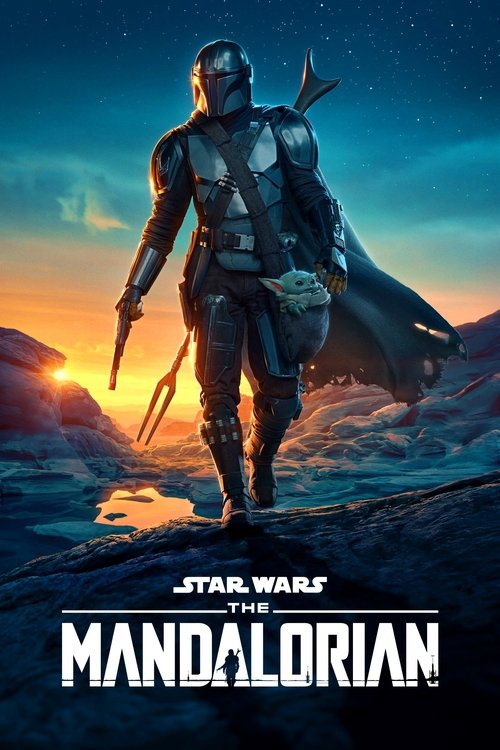
Cundey returns to the forefront of the industry by embracing virtual production on The Mandalorian. He proves that the principles of traditional lighting are still relevant in a world of LED volumes and real-time rendering. This act is about passing the torch while maintaining mastery over the newest tools.
Industry Recognition
Academy Award
Best Cinematography (Nomination)
Who Framed Roger Rabbit
BAFTA Award
Best Cinematography (Nomination)
Who Framed Roger Rabbit
BSC Award
Best Cinematography (Nomination)
Apollo 13
Craft & Expertise
Suspense Lighting
He mastered the 'Panaglide' technique to create the fluid, stalking POV shots in Halloween. This specific use of shadow and movement defined the visual grammar of the slasher genre.
Visual Effects Integration
He pioneered the lighting techniques required to blend practical and digital effects in Jurassic Park and Who Framed Roger Rabbit. His work ensures that fantastical elements feel physically present in the real world.
Virtual Production
He worked on the first season of The Mandalorian to implement 'The Volume' technology. This transition from traditional film to LED-wall environments proves his continued leadership in camera technology.
Anamorphic Composition
His use of the widescreen format in The Thing created a sense of isolation and claustrophobia simultaneously. He uses the edges of the frame to suggest threats that the audience cannot quite see.
The Registry
Total Credits
111
Career Span
1969-2026
Peak Decade
1980s
Peak Credits
27 titles
By Decade
By Role
By Genre
Highest rated credit: The Mandalorian (2023) — 8.4/10 · Director of Photography
Complete Filmography — Dean
A poster-free credit ledger. Every title links to its TMDB source while keeping the full registry readable at scan speed.

2020s
8 credits
2010s
16 credits
This product uses the TMDB API but is not endorsed or certified by TMDB.
Notable Locations
Pasadena
United States
Productions
Primary location for the Myers house and Smith's Grove exteriors.
Universal City
United States
Productions
Home of the Universal backlot where Hill Valley was constructed.
Stewart
Canada
Productions
Used for the frozen Antarctic wastes and the Outpost 31 set.
Kauai
United States
Productions
The primary shooting location for Isla Nublar's jungles.
Manhattan Beach
United States
Productions
Location of the 'Volume' virtual production stage.
Editorial & Reference
Dean Cundey: The Cinematographer of Halloween, The Thing, and Jurassic Park
Dean Cundey is the rare technician whose name carries the weight of an auteur. While directors often receive the credit for a film’s atmosphere, horror and sci-fi scholars recognize that the specific dread of the 1980s was a byproduct of Cundey’s lens choices. He operates with a deep understanding of the human eye’s limitations. His work in Halloween does not just show a killer; it shows the space where a killer might be. This psychological use of the frame is why his credits are foundational to genre conventions.
A recurring detail in his career is his ability to ground high-concept fantasy in tactile reality. In Who Framed Roger Rabbit, his lighting made cartoons appear to cast real shadows on Bob Hoskins. In Jurassic Park, he treated the dinosaurs not as monsters, but as wildlife, using naturalistic light to sell the impossible. Convention programmers should view Cundey not just as a crew member, but as the person who literally saw these worlds before anyone else did. His presence on a panel offers a masterclass in the intersection of art and engineering.
The blue light filtering through the kennel slats in 1982 was not just a technical choice; it was the birth of a specific kind of dread that defined a generation of horror. Dean Cundey is an American cinematographer best known for his work on Halloween and Jurassic Park. While many know the names of the directors he served, fans of genre cinema recognize that the 'look' of the 1980s was largely a product of Cundey's eye. He didn't just record scenes; he built atmospheres that functioned as characters themselves. His work with John Carpenter, Steven Spielberg, and Robert Zemeckis represents one of the most successful runs for any Director of Photography in Hollywood history.
Dean Cundey played a pivotal role as the Director of Photography in Halloween, which was released in 1978 and became a landmark in the horror genre. His use of the Panaglide camera system allowed for long, unbroken POV shots that made the audience feel like they were stalking the characters. This technical innovation is why the slasher genre became a visual staple of the era. Dean Cundey also served as the cinematographer for the Back to the Future trilogy, which ran from 1985 to 1990 on Universal Pictures. The question of what Dean Cundey has done since those classic films ended is answered by his work on Jurassic Park in 1993, where he figured out how to light animatronic and digital creatures so they appeared to share the same physical space as the actors. This ability to bridge the gap between reality and fantasy is his enduring trademark.
Beyond the massive hits, the wider career of Dean Cundey includes diverse projects like Apollo 13, for which he received a BSC Award nomination, and the Roger Zemeckis classic Who Framed Roger Rabbit. In the latter, he had to invent ways to light 'toons' so they felt grounded in a noir-inspired Los Angeles. Most fans don't know that he also stepped into the director's chair for films like Honey, We Shrunk Ourselves in 1997. His range is extensive, moving from the gritty, low-budget streets of Escape from New York to the polished, high-tech environments of modern television. Every credit in his filmography shows a methodical approach to light as a tool for storytelling rather than just illumination.
Fans who ask whether Dean Cundey still attends conventions will find him to be a mainstay of high-end genre events and technical panels. The communities that claim him are among the most dedicated in the world, including the Halloween 'Shape' fans, The Thing 'Outpost 31' collectors, and the global Star Wars community. At conventions, Cundey is the person who provides the 'behind-the-curtain' intelligence that fans crave. They show up with original theatrical posters and high-end art prints, seeking his signature to validate their most prized collectibles. His presence at a signing table offers a direct link to the golden age of practical effects and the transition into the digital era.
Currently, Dean Cundey is reaching a new peak of relevance through the streaming success of The Mandalorian on Disney+. He was the cinematographer for the first season, where he helped pioneer the 'Volume' virtual production technology that has since revolutionized the industry. This work has introduced him to a younger generation of Star Wars fans who value the technical craft of the franchise as much as the lore. Additionally, with the 2026 release of The Thing Expanded, interest in his 1980s horror work has seen a significant resurgence. His work is constantly available on platforms like Peacock and Max, keeping his legendary status active in the cultural conversation.
A personal thread that connects Cundey to his fans is his commitment to the craft of 'in-camera' magic. He has often spoken about the importance of making sure the actors have something real to react to, a philosophy that deeply resonates with fans who miss the tactile nature of 20th-century filmmaking. This advocacy for traditional techniques, even while using the latest digital tools, makes him a respected figure among both veteran filmmakers and students of the craft. He is often seen as a bridge between two worlds—the era of film strips and the era of pixels.
Meeting Dean Cundey in person is a factual encounter with film history. He provides promoters with a guest who can anchor a panel about horror, science fiction, or the history of visual effects with equal authority. For the fan, he is the man who saw the T-Rex first and the man who put the light in Michael Myers' eyes. He represents the hidden architecture of cinema, making him an essential booking for any event that celebrates the enduring power of the moving image. His signing lines are a testament to the fact that while actors may play the heroes, it is the cinematographer who creates the world worth saving.
Frequently Asked
6 questions answered