Tommy
Lee
Wallace
Genre Architect & Horror Director-Editor
Current Studio
Warner Bros. Television
Primary Discipline
Director
Region
North America
Status
Director of the 1990 'It' Miniseries
Follow
Represented By
 Convention All Stars LLCNot yet on Taleventry
Booking Intelligence
His recent role in the indie slasher film 'The Boy from Below' (released September 5, 2025) is driving new fan discovery.
Known For
Director / Writer
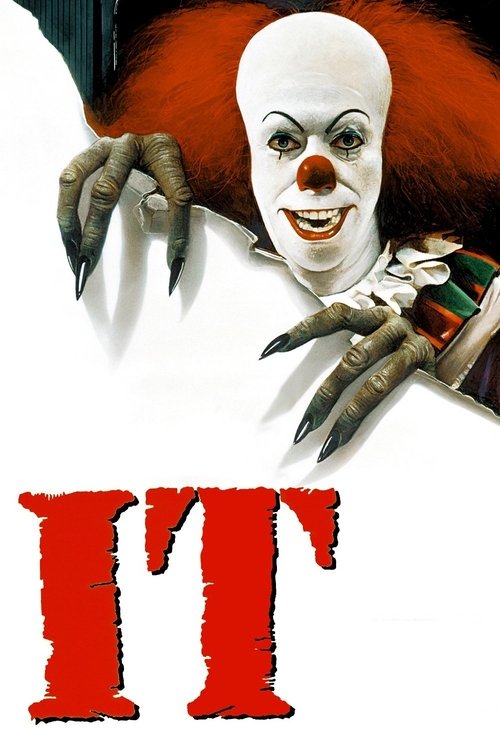
It (Miniseries)
He brought the first iteration of Pennywise to life, creating a core childhood memory for Gen X and Millennials who now show up to conventions with vintage VHS tapes and posters for him to sign.
Director / Writer
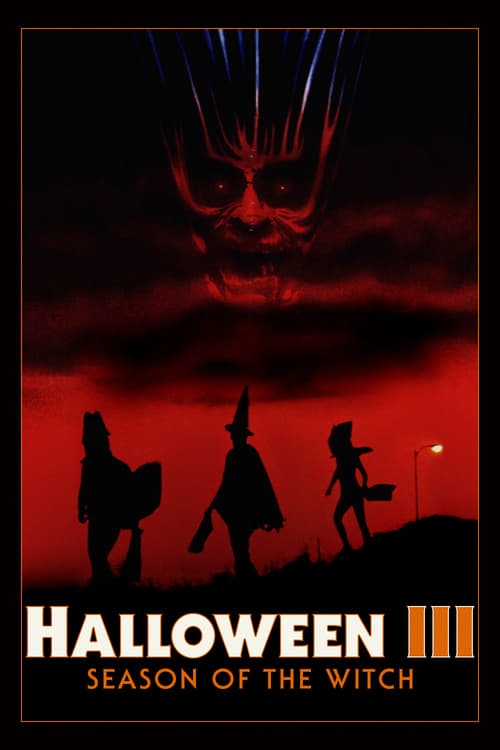
Halloween III: Season of the Witch
The film's recent critical re-evaluation has turned the 'Silver Shamrock' jingle into a cult anthem, driving fans to attend conventions in full Jack-o-lantern, Hag, and Skull masks specifically to meet the man who dared to change the franchise.
Editor / Production Designer
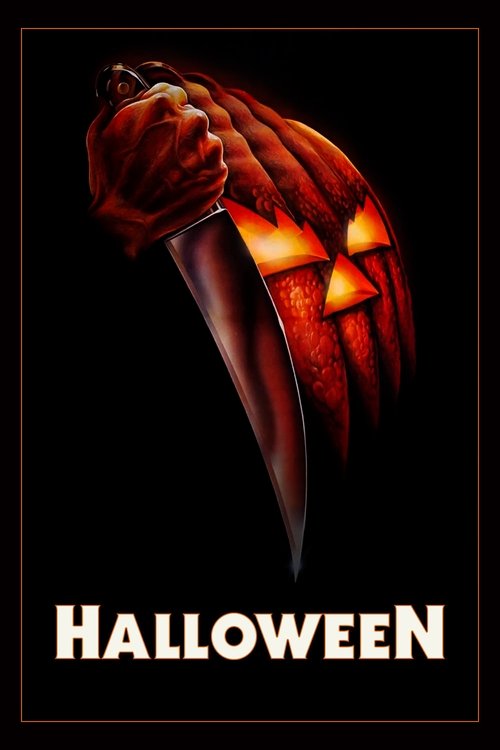
Halloween
Fans identify with his hands-on role in creating the Shape's look and his uncredited performance behind the mask in the closet scene, making him a 'three-in-one' booking for slasher historians.
Why Book Tommy Lee Wallace
Tommy Lee Wallace appeals to the deep-pocketed horror collector who values the architects of the genre over just the faces on screen. He offers a unique triple-threat of stories: his uncredited turn as Michael Myers, his direction of the first Pennywise, and his leadership of the now-iconic Halloween III. With the 35th-anniversary window of the original It miniseries and his recent role in The Boy from Below (2025), he remains a top-tier signing choice for genre-specific events.
Genres
Advocacy
Convention Experience
Fan Engagement
Wallace has been actively participating in genre events, with mentions of his presence at Midsummer Scream 2025 and Houston Horror Film Fest in 2024.
Recent Work
The Boy from Below
2025His first major acting role in a horror feature in years, providing a fresh 'Doctor Dementia' hook for the 2026 convention season.
Tommy — Biography
Tommy Lee Wallace is a foundational figure in the golden age of American horror, known for his multi-decade partnership with John Carpenter. He began his career in the art department and editing room, where he helped define the visual language of the 1978 classic Halloween. This technical grounding allowed him to transition into directing, where he helmed some of the most discussed entries in horror history, including the cult-favoured Halloween III: Season of the Witch. His impact on the genre reached a peak in 1990 when he directed and co-wrote the It miniseries for television. This project…
Live Appearances
Tommy on the Circuit
Tommy Lee Wallace is confirmed for 2 upcoming appearances. Check dates and locations below for photo opportunities, signings, and panel appearances.
Convention Circuit
Sinister Creature Con (2026)
Sacramento, USA

Fan Expo Chicago (2026)
Chicago, USA
Community Verdict
Seen Tommy Lee Wallace Live?
Rate the guest experience from 1 to 10. If you leave a comment, it can appear publicly in the User Feedback section.
Scores stay hidden until at least 3 ratings are submitted.
Checking sign-in status...
Career Acts & Milestones
1976–1981
The Carpenter Crucible
Working alongside John Carpenter, Wallace builds the visual and auditory foundations of modern horror. He learns to create iconic imagery with limited budgets, contributing as an editor and production designer on films that would define the genre's aesthetic for forty years.
"We were just kids trying to make something that worked."
1982–1988
The Independent Voice
Wallace steps into the director's chair with a bold attempt to transform the Halloween franchise into an anthology. Though the move was controversial at the time, it proved his willingness to risk commercial safety for creative exploration, eventually leading to a cult following that rivals the original films.
1989–1994
Prime Time Terror
He masters the challenge of network television by bringing large-scale Stephen King horror to the small screen. This era proves his ability to direct high-pressure productions that resonate with massive audiences, cementing his status as a storyteller who can bridge the gap between niche horror and mainstream entertainment.
Industry Recognition
Saturn Award
Best Writing (Nomination)
El Diablo
Craft & Expertise
Tension-Based Editing
He defined the rhythmic pacing of the slasher genre as the editor of the original Halloween (1978). This skill allows him to explain the mechanics of suspense to fans during panels.
Creature Concept Design
He played a key role in the production design of Michael Myers and the conceptualisation of Pennywise. His ability to translate literary terror into physical icons is a major draw for art-focused fans.
Franchise Expansion
He took significant creative risks with Halloween III and Fright Night Part 2. These projects are now studied for how they attempted to evolve established horror IPs.
Network Horror Adaptation
He successfully adapted Stephen King's prose for 1990s television standards without losing the character's impact. This era of his work captures the '90s nostalgia demographic perfectly.
The Registry
Total Credits
42
Career Span
1976-2025
Peak Decade
1990s
Peak Credits
14 titles
By Decade
By Role
By Genre
Highest rated credit: Tour of Duty (1989) — 8.1/10 · Director
Complete Filmography — Tommy
A poster-free credit ledger. Every title links to its TMDB source while keeping the full registry readable at scan speed.

2020s
4 credits
2010s
7 credits
2000s
4 credits
1990s
9 credits
This product uses the TMDB API but is not endorsed or certified by TMDB.
Notable Locations
Los Angeles
United States
Productions
Primary production base for early Carpenter collaborations.
Pasadena
United States
Productions
The location of the iconic Myers house and suburban setting.
Vancouver
Canada
Productions
The filming hub for the fictional town of Derry in the 1990 miniseries.
Loleta
United States
Productions
The location used for the Silver Shamrock factory town, Santa Mira.
Editorial & Reference
Tommy Lee Wallace: The Director Behind the Original It and Halloween III
Tommy Lee Wallace is more than a director; he is the secret architect of the John Carpenter aesthetic. While Carpenter provided the vision, Wallace provided the physical manifestation of the Shape in the original Halloween and the surgical precision of the edit in The Fog. Promoters should view him as a primary source for the 'Slasher Era' history, as he was in the room when the rules were written.
His career is marked by a refusal to repeat himself. Taking over Halloween III and pivoting away from Michael Myers was one of the ballsiest career moves in genre history. It failed commercially in 1982 but has become a revenue-generating powerhouse in the 2020s through merch and screenings. This 'redemption arc' makes him a hero to the modern horror fan who values subversion over formula. He is the bridge between the grit of the 70s and the glossy horror of 90s television.
The most famous closet in horror history was actually occupied by Tommy Lee Wallace during the filming of the 1978 original Halloween. While Nick Castle is often credited as the primary Shape, it was Wallace—the film’s editor and production designer—who donned the mask for the pivotal scene where Michael Myers attacks Jamie Lee Curtis from the shadows. This hands-on approach defines the career of a man who didn't just witness the birth of the slasher genre; he helped build its physical and rhythmic foundations. Tommy Lee Wallace, an American director and screenwriter best known for the 1990 It miniseries, represents a specific type of horror royalty—the kind that understands the craft from the inside out.
Fans recognize Tommy Lee Wallace most for his work directing and co-writing the 1990 adaptation of Stephen King's It, which ran as a two-part event on ABC. By translating the sprawling novel into a manageable television format, Wallace was responsible for introducing Pennywise the Clown to an entire generation of viewers who were too young for R-rated cinema. This project remains a cornerstone of 90s nostalgia. Tommy Lee Wallace also helmed Halloween III: Season of the Witch in 1982, a film that famously attempted to turn the franchise into an anthology series without Michael Myers. While the move was rejected by audiences at the time, it has since become one of the most respected cult films in horror, with its 'Silver Shamrock' jingle becoming a staple of the Halloween season.
Beyond his most famous directorial efforts, Wallace has a career filled with surprising range and craft details. He was the art director for John Carpenter’s early work, including Assault on Precinct 13 in 1976, and he provided the sound effects that gave those early films their haunting atmosphere. He also directed Fright Night Part 2 in 1988, proving his ability to handle sequels with a distinct visual flair. This breadth of work means that even the most casual horror fan has likely been influenced by his work, whether through the pacing of The Fog (1980), which he edited, or the visual world-building of Big Trouble in Little China (1986), where he served as a second unit director.
In the convention landscape, Tommy Lee Wallace draws a dedicated audience of horror purists and '90s kids.' Those who show up to meet him are often looking for the story behind the mask or the technical secrets of the Derry sewer sets. He is a primary target for fans of the 'Carpenter-verse,' and his panels are known for providing an analytical look at how horror is made rather than just plot summaries. The question of whether Tommy Lee Wallace still attends conventions is answered by his frequent appearances at major genre events like Flashback Weekend and Days of the Dead, where he remains a high-demand guest for dual signings with other Halloween alumni.
As of May 2026, Tommy Lee Wallace is seeing a resurgence in visibility due to the streaming availability of his catalog. With Halloween III: Season of the Witch currently featured on major platforms like Peacock and the original It miniseries holding a permanent spot on Max, a new generation of horror enthusiasts is discovering his work. His 2024 appearance in the documentary In Search of Darkness: 1990-1994 further solidified his status as a leading historian of the genre. Promoters booking him in 2026 are tapping into both the 45th-anniversary momentum of his early Carpenter work and the fresh interest generated by his acting role as Doctor Dementia in the 2025 release The Boy from Below.
While his career has spanned over five decades, the through-line remains his commitment to visual storytelling. Fans often connect with his public discussions on the 'Silver Shamrock' philosophy—the idea that horror can be about more than just a man with a knife. This intellectual approach to the genre has earned him a reputation as a 'thinking person’s director,' someone whose work rewards repeat viewings and deep analysis. This reputation is what ensures a steady stream of fans at his table, ready to discuss the frame-by-frame construction of their favorite scares.
A live encounter with Tommy Lee Wallace offers fans a direct link to the golden age of independent horror. He provides the perspective of someone who has worn every hat on a film set, from production designer to voice actor to director. For a convention promoter, a Wallace booking is an investment in authenticity. He doesn't just represent a character; he represents the era when the modern horror genre was being invented. He leaves audiences with a deeper understanding of why they are afraid of the dark, making him an essential fixture for any event dedicated to the history of cinema.
Frequently Asked
6 questions answered