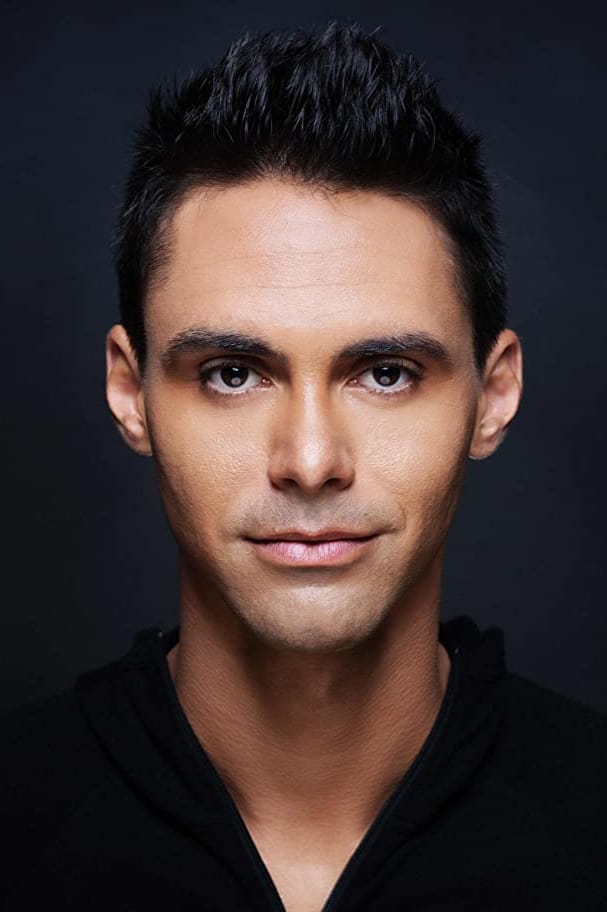
Airon
Armstrong
Stunt Coordinator & Physical Performance Specialist
Current Studio
Marvel Studios
Primary Discipline
Stunt Coordination & Acting
Region
North America
Status
Halloween Kills (1978 Flashback) Michael Myers Performer
Follow
Represented By
 Convention All Stars LLCNot yet on Taleventry
Booking Intelligence
Fans can currently stream Airon Armstrong's stunt work and coordination on "The Penguin" (Hulu, 2024) and "Road House" (Prime Video, 2024), showcasing his versatility in high-profile productions.
Known For
The Shape (1978 Michael Myers)
Halloween Kills
His precise recreation of the original 1978 movement allowed fans to relive a legendary era of horror — his technical accuracy earns a reverent response at horror conventions.
Stunt Double (Loki)
Loki
The physical energy he brought to the God of Mischief helped define the character's kinetic fighting style in the multiverse — MCU fans seek him out for the behind-the-scenes craft details.
Dwayne Blaskowski
Marvel's Jessica Jones
He played a memorable physical adversary that highlighted the show's gritty realism — fans of the Defenders saga recognize him for his role in the show's visceral combat.
Why Book Airon Armstrong
Airon Armstrong is a must-book for horror and superhero fandoms, renowned for his iconic portrayal of Michael Myers in Halloween Kills and his meticulous '1978' movement style. Fans flock to conventions to dissect his slasher techniques and discuss his contributions to modern horror. With major roles in upcoming Marvel blockbusters like Daredevil: Born Again and Captain America: Brave New World in 2025, his relevance to a massive audience is at an all-time high.
Fandoms
Era
Convention Experience
Fan Engagement
Open and technical with fans, happy to break down movement craft and stunt work; particularly engaging with horror enthusiasts who appreciate the physical discipline behind iconic roles.
Recent Work
Daredevil: Born Again
2025Highly anticipated return of a fan-favorite Marvel property.
Captain America: Brave New World
2025Major theatrical MCU release driving year-round relevance.
Happy Gilmore 2
2025High-profile comedy sequel with massive nostalgia appeal.
Airon — Biography
Airon Armstrong is a physical performer and stunt coordinator who bridges the gap between high-octane action and iconic character work. While many stunt performers remain behind the scenes, his portrayal of 'The Shape' (the 1978-era Michael Myers) in Halloween Kills established him as a significant figure in horror history. He successfully replicated the specific, haunting movement of the original character, earning immediate respect from a notoriously difficult-to-please fandom. His career extends deep into the Marvel Cinematic Universe and major prestige television. He has contributed to th…
Community Verdict
Seen Airon Armstrong Live?
Rate the guest experience from 1 to 10. If you leave a comment, it can appear publicly in the User Feedback section.
Scores stay hidden until at least 3 ratings are submitted.
Checking sign-in status...
Career Acts & Milestones
2012–2019
The Invisible Architect
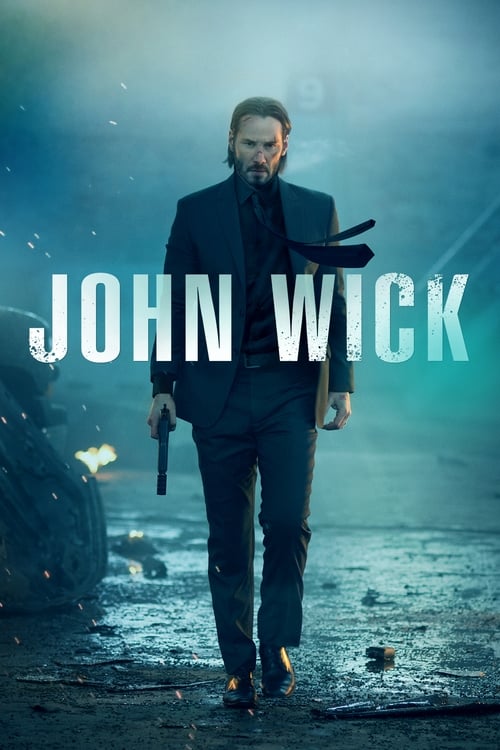
Armstrong builds a reputation as a reliable utility stunt performer across major television procedurals and blockbusters. He masters the discipline of staying unseen while executing high-risk physical work. This period proves his ability to handle the rigorous safety standards of large-scale studio environments.
2020–2022
The Shape of History
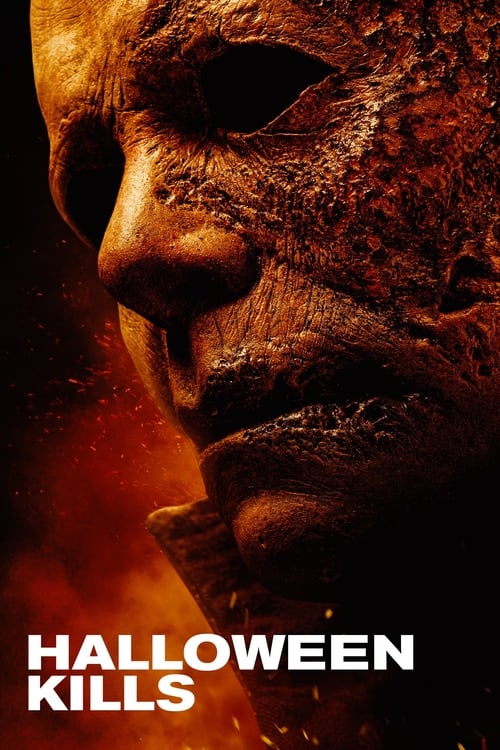
He steps into a major franchise spotlight by portraying one of cinema's most famous killers. He risks fan backlash by attempting to replicate a classic performance but succeeds through meticulous physical study. This transition from 'stunts' to 'character movement' changes his career trajectory toward recognized roles.
2023–2026
The Coordination Era
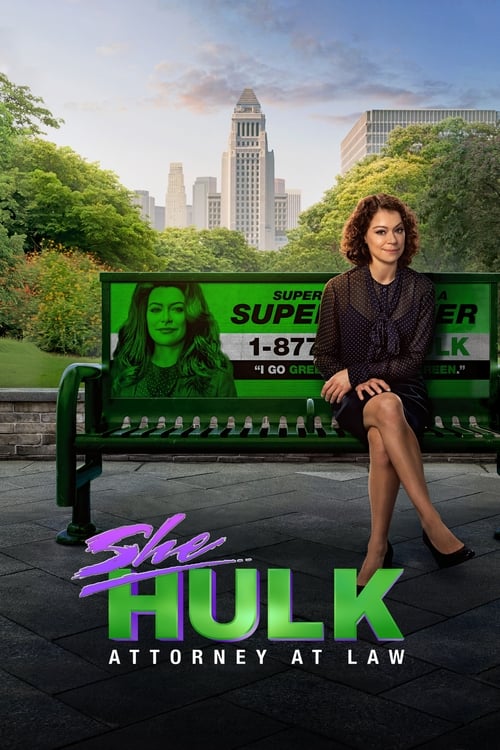
Armstrong takes on leadership roles as a stunt coordinator for the Marvel Cinematic Universe. He is now responsible for the entire visual language of fight sequences rather than just the execution. He balances this high-level crew work with on-screen character appearances in prestige streaming series.
Craft & Expertise
Legacy Movement
He specializes in replicating specific physical traits of established cinematic icons. His work as Michael Myers required an exact study of 1978 cinematography and character gait.
MCU Combat Systems
He has shaped the fighting styles for major Disney+ properties including Loki and She-Hulk. This involves blending traditional martial arts with superhuman character traits.
Stunt Coordination
Armstrong manages full-scale action units to ensure safety and visual impact on major productions. He served as the stunt coordinator for the action-heavy series She-Hulk.
Tactical Performance
He frequently portrays high-stakes security and military personnel in crime dramas. His background allows for realistic weapon handling and tactical positioning in shows like The Blacklist.
The Registry
Total Credits
39
Career Span
2003-2025
Peak Decade
2020s
Peak Credits
20 titles
By Decade
By Role
By Genre
Highest rated credit: The Penguin (2024) — 8.4/10 · Stunts
Complete Filmography — Airon
A poster-free credit ledger. Every title links to its TMDB source while keeping the full registry readable at scan speed.

2020s
20 credits
This product uses the TMDB API but is not endorsed or certified by TMDB.
Notable Locations
Atlanta
United States
Productions
Primary production hub for his extensive Marvel Cinematic Universe work.
New York City
United States
Productions
Location for his major gritty crime and street-level hero projects.
Wilmington
United States
Productions
Key filming site for the Halloween revival sequences.
Editorial & Reference
Airon Armstrong: Michael Myers in Halloween Kills and The Penguin Stunt Coordinator
Watching him move through a scene reveals a performer who treats physics as a narrative tool. He approaches the role of the Shape not as a masked killer, but as a specific anatomical study. Most actors play Michael Myers with a heavy and robotic stomp. This performer understands that the 1978 version was actually fluid and almost cat-like in its grace. He uses his core strength to maintain a smooth gait that makes the character feel more dangerous because the motion looks natural. It is a subtle distinction that separates a man in a costume from a true physical actor.
His work as a stunt coordinator shows a deep respect for the logic of a fight. In shows like The Penguin or Loki, he does not just plan big hits for the camera. He looks for how a specific character would actually try to protect themselves. He builds sequences where the environment dictates the action. A casual fan sees a cool punch. A student of his work sees how he uses the height of a table or the weight of a jacket to tell a story. He stays busy because he makes the impossible look like it has weight and real consequence.
Standing perfectly still in a dark hallway requires more control than most people realize. For the 1978 flashback in Halloween Kills, this specific stillness became a high-stakes puzzle. Many fans had waited decades to see that version of the character again. He did not just wear the blue coveralls. He studied the exact way Nick Castle tilted his head in the original film. He learned the specific rhythm of the walk that defined horror in the late seventies. This attention to detail ensured that the flashback felt like a lost piece of history. It was a performance built on silence and subtle shifts in weight. Fans did not just see a monster. They saw a ghost from their childhood come back to life with perfect accuracy.
Most people recognize him as the man behind the mask of The Shape. His portrayal of Michael Myers in the 2021 sequel earned immediate respect from a very tough crowd. Horror fans notice every small mistake. They can tell if the shoulders are too broad or if the gait is too fast. He avoided these traps by becoming a student of the 1978 footage. He matched the way the character moves through a house with a sense of purpose. This work connected with fans because it felt honest to the source material. It was not a parody of Michael Myers. It was a careful recreation of a legendary screen presence. When he appears on screen, the tension rises because the movement feels familiar and threatening.
Beyond the mask, his career covers some of the biggest hits in the Marvel Cinematic Universe. He worked as the stunt double for Tom Hiddleston in the Loki series on Disney+. This role required a mix of elegant combat and chaotic energy. He had to learn how to fight like a god who is also a bit of a trickster. You can see his influence in the way Loki uses his daggers and moves through crowded environments. He also contributed to the gritty realism of Marvel's Jessica Jones. In that show, the fights are messy and painful. He played Dwayne Blaskowski, a character who pushed the physical limits of the story. This range shows he can handle both high-fantasy action and grounded street fights. He knows how to make every hit look like it hurts.
Promoters and event planners find that two distinct groups show up to meet him. The first group consists of horror collectors who want to talk about the Halloween legacy. They bring masks, posters, and coveralls for him to sign. They want to know how it felt to stand on that set and inhabit such a famous role. The second group is made of action fans and aspiring stunt performers. These fans are interested in the craft of movie making. They ask about the technical side of the MCU or how he coordinates a big fight scene. He bridges the gap between the person on screen and the expert behind the scenes. This makes his panels very engaging for people who love the technical side of film. He speaks with authority about the work because he has done it at the highest level.
His current work as a stunt coordinator puts him at the center of modern prestige television. He led the stunt department for The Penguin on Max. This series required a very specific look for its violence. It needed to feel heavy and real rather than stylized or flashy. He helped create the fighting style for a Gotham City that feels dangerous and lived-in. He also worked on big summer movies like Road House and Blue Beetle. These projects show that he is a trusted name for major studios. When a director needs a fight to tell a story, they call him. He is currently involved in several upcoming projects that will keep his work in the public eye for years. His presence in the industry is growing as he moves into more leadership roles on set.
One thing that fans often connect with is his philosophy on physical acting. He publicly discusses the idea that a character is defined by their movement before they ever speak. This is especially true for roles that involve masks or heavy costumes. He believes that the body should tell the audience exactly who the character is. This perspective makes him a great guest for Q&A sessions. He can explain the logic behind a specific jump or the way a character holds a weapon. This level of insight is what serious fans are looking for at a convention. They want to go beyond the trivia and understand how the magic is actually made. He provides that expert view with a warm and approachable attitude.
Meeting him in person gives fans a chance to see the man behind the legendary icons. At the signing table, he is known for being professional and attentive to every person in line. He understands the weight of the Halloween franchise and the passion of the Marvel fanbase. He takes the time to answer questions about the specific stunts he has performed. For many fans, this is their first time talking to someone who has actually been Michael Myers. He treats that responsibility with respect. Whether he is talking about the 1978 mask or the latest episode of The Penguin, he offers a unique perspective. He is a key part of modern entertainment history who continues to shape how we see action on screen.
Frequently Asked
6 questions answered