Cinematic background for Nick Castle
Verified Industry Legend
verified

Nick
Castle

Physical Characterization & Genre Architecture

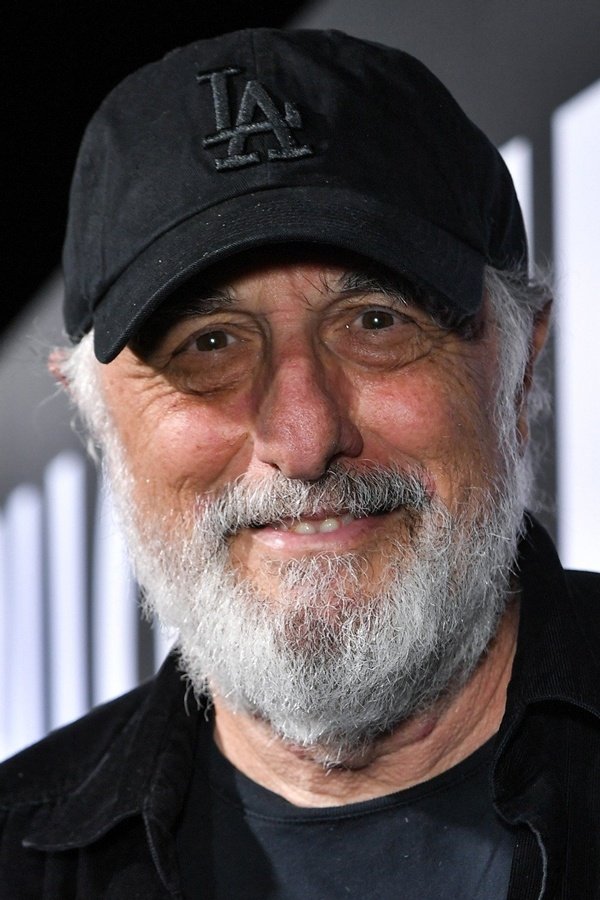
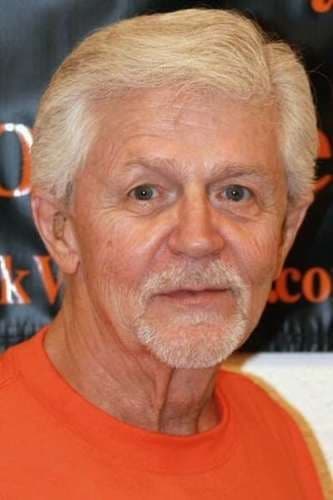
Headshot of Nick Castle
StudioUniversal Pictures
DisciplineDirector
RegionNorth America
StatusOriginal Michael Myers & Saturn Award Winner
FollowIMDb

Represented By

Convention All Stars LLCConvention All Stars LLCNot yet on Taleventry

Booking Intelligence

live_tv

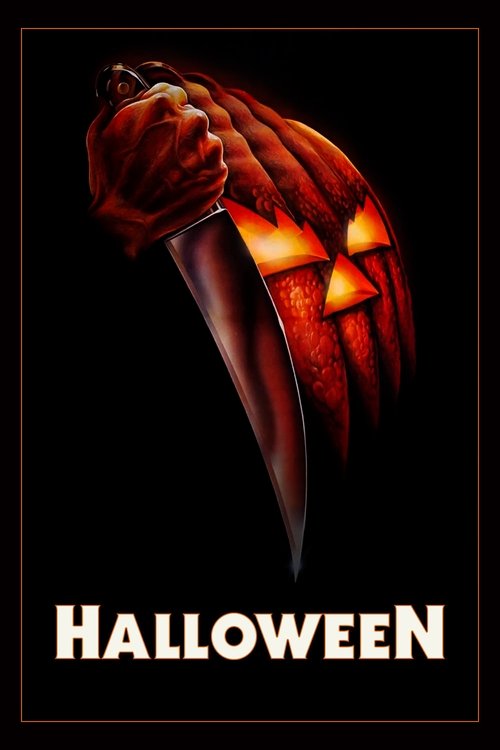
The original Halloween (1978) is a seasonal staple on AMC+ and Shudder, maintaining his relevance as the definitive version of the character for every new generation of horror viewers.

Known For

The Shape / Michael Myers

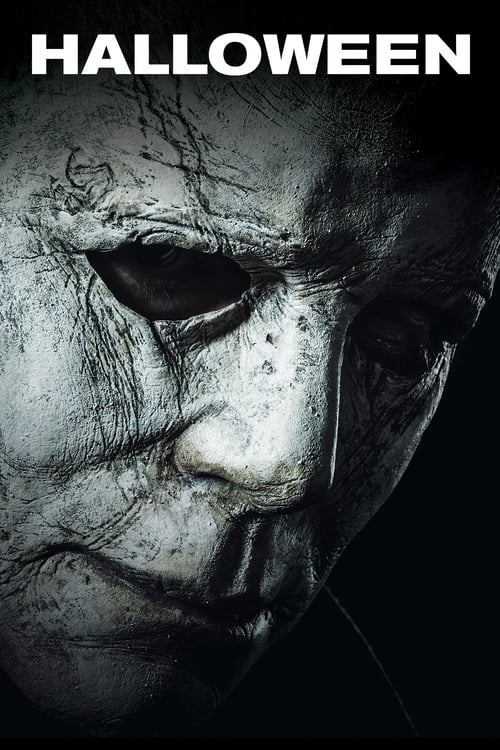
Halloween

Compass International Pictures·1978

His specific movement established the modern slasher archetype, leading fans to seek his signature on masks and posters as the only person who truly understands the character's physical language.

Writer / Creator

Escape from New York

AVCO Embassy Pictures·1981

He co-built the world of Snake Plissken, which appeals to a dedicated crossover audience of action and sci-fi fans who value the intellectual side of genre filmmaking.

The Shape (Cameo)

Halloween

Universal Pictures·2018

His return after forty years validated the new trilogy for purists, creating a rare bridge between the original 1970s production and the modern streaming era.

Why Book Nick Castle

He is the foundational performer for the Michael Myers fandom, a group that consistently fills three-hour signing queues to have masks and memorabilia authenticated by the original Shape. Fans value the live encounter because he offers a dual perspective as both an iconic monster performer and a high-level studio director. With his heavy 2026 convention schedule and the ongoing streaming success of the Halloween franchise, he remains a high-traffic anchor for any genre event.

Convention Experience

Astronomicon 9·Ann Arbor2026
Megacon Orlando·Orlando2026
Big Texas Terror·San Antonio2026
Evansville Horror Con·Evansville (IN)2026
Fan Expo Chicago·Chicago2026

Fan Engagement

He is frequently noted by convention attendees for his kindness and his willingness to share technical stories about the early days of independent filmmaking.

Recent Work

theaters

Halloween Ends

2022
Actor/Film/Completed

His most recent screen appearance ensures he is fresh in the minds of modern audiences while maintaining his legacy status.

Nick — Biography

The subtle tilt of a mask in a 1978 independent film changed the visual language of horror forever. While he is known globally as the original Michael Myers, Nick Castle has maintained a dual career as a major studio director and screenwriter. He grew up in the industry as the son of a prominent choreographer, which informed the specific physical presence he brought to the screen. This background in movement allowed him to create a character that felt both human and immovable, setting the standard for the slasher genre. Beyond the mask, his work as a filmmaker defined a specific era of 1980s…

Live Appearances

Nick on the Circuit

Nick Castle is confirmed for 4 upcoming appearances. Check dates and locations below for photo opportunities, signings, and panel appearances.

Convention Circuit

Iron City Comic Con (2026)

Birmingham (AL), USA

Fan Expo Chicago (2026)

Chicago, USA

RosterConRosterConopen_in_new

Smoky Mountain Terror (2026)

Kingsport, USA

RosterConRosterConopen_in_new

Cajun Con (2026)

Gonzales (LA), USA

RosterConRosterConopen_in_new

Community Verdict

Seen Nick Castle Live?

Rate the guest experience from 1 to 10. If you leave a comment, it can appear publicly in the User Feedback section.

Scores stay hidden until at least 3 ratings are submitted.

Checking sign-in status...

Career Acts & Milestones

The Shape of Horror

1978–1981

The Shape of Horror

He steps into the Michael Myers mask as a favor to a college friend, inadvertently creating the visual template for the slasher subgenre. This period is defined by low-budget ingenuity and the birth of a cultural icon through pure physicality.

"I wasn't trying to be scary. I was just walking the way John told me to walk."

The Architect of Worlds

1982–1989

The Architect of Worlds

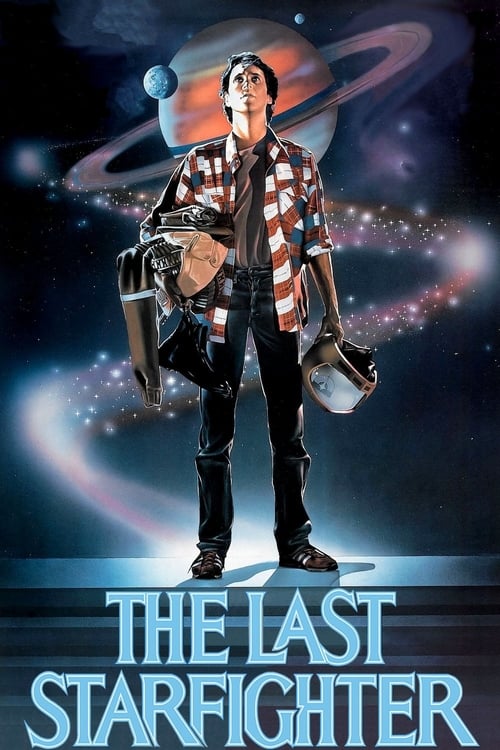
He pivots from performer to creator, writing high-concept scripts and directing groundbreaking science fiction. He risks using unproven digital technology in The Last Starfighter to prove that computer imaging can carry a feature film.

The Studio Hand

1990–2005

The Studio Hand

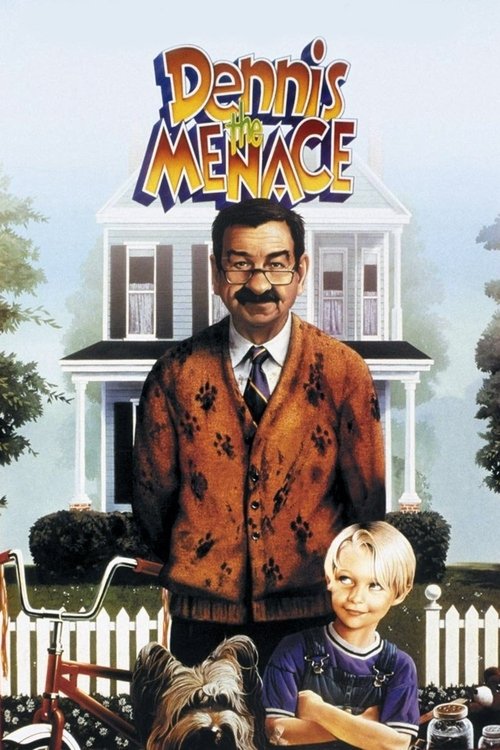
He moves into mainstream comedy and family films, demonstrating his ability to manage large-scale studio productions like Dennis the Menace. He establishes himself as a reliable director who can balance commercial demands with heart.

The Heritage Era

2018–2026

The Heritage Era

He returns to his roots as a consultant and performer for the modern Halloween revival. He embraces his legacy as a genre pioneer, mentoring new performers while maintaining his status as the definitive version of Michael Myers.

Industry Recognition

1987
military_tech

Saturn Award

Best Writing

The Boy Who Could Fly

2001
military_tech

Silver Raven

Best Film

Delivering Milo

1985
military_tech

Grand Prize

Avoriaz Fantastic Film Festival

The Last Starfighter

Craft & Expertise

directions_run

Physical Performance

He created the specific walking pace and head-tilt that defined Michael Myers. This movement technique replaced traditional dialogue with a lingering physical threat in the original Halloween.

architecture

Genre World-Building

He co-wrote the script for Escape from New York, establishing the high-concept dystopian atmosphere of the film. His writing focused on grounded characters within heightened, stylized environments.

bolt

Technical Innovation

As the director of The Last Starfighter, he oversaw some of the first integrated CGI space battles in cinema history. He managed the transition from practical models to digital effects during a pivotal industry shift.

star

Franchise Continuity

He served as a consultant and performer for the 2018-2022 Halloween trilogy. He ensured the character maintained the same physical essence forty years after the original production.

The Registry

Total Credits

45

Career Span

1970-2022

Peak Decade

2000s

Peak Credits

11 titles

By Decade

1970s4
1980s6
1990s8
2000s11
2010s7
2020s7

By Role

Acting58%
Direction27%
Writing20%
Directing7%
Producing2%
Sound2%

By Genre

Horror40%
Science Fiction30%
Family20%
Action10%
star

Highest rated credit: Bones (2005) — 8.2/10

Complete Filmography — Nick

Halloween Ends

Halloween Ends

2022

In Search of Darkness: Part III

In Search of Darkness: Part III

2022

In Search of Tomorrow

In Search of Tomorrow

2022

Halloween Kills

Halloween Kills

2021

Behind the Monsters

Behind the Monsters

2021

The History of Metal and Horror

The History of Metal and Horror

2021

In Search of Darkness: Part II

In Search of Darkness: Part II

2020

The Movies That Made Us

The Movies That Made Us

2019

In Search of Darkness

In Search of Darkness

2019

Halloween

Halloween

2018

Purgatory: Entering John Carpenter's 'Escape From New York'

Purgatory: Entering John Carpenter's 'Escape From New York'

2018

The Night She Came Home!!

The Night She Came Home!!

2013

You Can't Kill the Bogeyman

You Can't Kill the Bogeyman

2012

Halloween: The Inside Story

Halloween: The Inside Story

2010

August Rush

August Rush

2007

Halloween: 25 Years of Terror

Halloween: 25 Years of Terror

2006

Connors' War

Connors' War

2006

Bones

Bones

2005

John Carpenter: The Man and His Movies

John Carpenter: The Man and His Movies

2004

The Seat Filler

The Seat Filler

2004

Halloween: A Cut Above the Rest

Halloween: A Cut Above the Rest

2003

movie

Return to 'Escape from New York'

2003

Delivering Milo

Delivering Milo

2001

'Twas the Night

'Twas the Night

2001

Notable Locations

United StatesCanada

Los Angeles

United States

location_on

Productions

HalloweenEscape from New York

Primary career base and shooting location for his most famous roles.

Pasadena

United States

location_on

Productions

Halloween

The original filming site for the fictional Haddonfield, Illinois.

Santa Barbara

United States

location_on

Productions

The Last Starfighter

Key production location for his early directing work.

Vancouver

Canada

location_on

Productions

Major Payne

Location for his 1995 directorial effort.

Charleston

United States

location_on

Productions

Halloween Ends

Production hub for the recent trilogy where he returned as Michael Myers.

Editorial & Reference

Nick Castle: Michael Myers and the Architect of the Halloween Legend

The professional path of this subject is best understood through his early exposure to the mechanics of choreography. Because his father was an industry-standard movement director, the subject approached the role of a silent killer as a series of specific rhythmic choices rather than an acting exercise. This explains why later attempts to recreate the character often feel slightly off-beat to seasoned viewers. He understands that stillness on camera is an active choice, not a passive one.

His transition into directing family-centric adventures in the mid-1980s seems like a hard pivot, but it shares the same spatial logic as his horror work. Whether he is directing a boy who can fly or a starfighter in a digital cockpit, he focuses on the relationship between a central figure and the wide, often dangerous space around them. Promoters should view him as a technical historian of the industry who participated in the transition from practical mask work to the first major use of CGI in cinema.

The slight tilt of the mask after a kill in the original 1978 film became a defining moment in horror cinema history. This specific physical choice was not the result of a long acting workshop, but rather a simple instruction from a college friend. Nick Castle played The Shape in Halloween (1978) because he happened to be on set and John Carpenter needed someone with a particular gait to fill the blue coveralls. The film ran for years in second-run theaters and eventually became one of the most successful independent productions ever made. By stepping into that mask, Nick Castle did more than play a killer; he designed a physical language that every subsequent performer in the franchise has had to study and replicate.

Nick Castle is an American director and actor best known for his role as Michael Myers in the original Halloween film. While the mask obscured his face, it did not hide the methodical, rhythmic way he moved across the screen. This physicality came from a childhood spent around choreography and professional performance. His father was a well-known stage and screen choreographer, and this upbringing gave him an innate understanding of how to use his body to convey intent without speaking a single word. In the world of conventions, this makes him the primary target for fans who want their memorabilia signed by the true originator of the role. When he attends a show, he is not just an actor; he is a living piece of film history who was there when the slasher genre was being invented.

Beyond the horror circuit, he has had a career that most fans of the Halloween franchise might not fully realize. He co-wrote the screenplay for Escape from New York (1981) with John Carpenter, helping to create the iconic character of Snake Plissken. He then moved into the director’s chair for the 1984 science-fiction hit The Last Starfighter. This film was a technical milestone, as it was one of the first major features to use integrated computer-generated imagery for its visual effects. He also directed The Boy Who Could Fly (1986), which won a Saturn Award for Best Writing. These credits show a filmmaker who was equally comfortable with gritty dystopian action and heartfelt family stories. He proved that he could handle the technical demands of a studio production while keeping the focus on character and narrative heart.

Fandoms for his various works often overlap in surprising ways at live events. While the horror community is the most vocal, there is a dedicated group of science-fiction enthusiasts who seek him out to discuss the early days of digital effects. The convention encounter with Nick Castle is often described as educational and warm. He is known for telling detailed stories about the low-budget shortcuts used on the first Halloween set, such as the famous story of the William Shatner mask being painted white. Promoters see him as a reliable draw because he appeals to three distinct demographics: the hardcore horror purist, the 1980s sci-fi nostalgic, and the student of film history who values his work as a director. He is a multi-generational guest whose relevance is renewed every October when his work returns to streaming platforms like AMC+ and Shudder.

The current era of his career has seen a return to the franchise that started it all. He appeared in cameo roles as The Shape in the recent trilogy directed by David Gordon Green, including Halloween (2018), Halloween Kills (2021), and Halloween Ends (2022). These appearances were more than just fan service; he worked as a consultant to ensure the physical movements of Michael Myers remained consistent with the 1978 original. This dedication to the craft of the character has kept him at the forefront of the genre community. Fans who ask whether Nick Castle still attends conventions will find him active on the 2026 circuit, with confirmed appearances at major events like Megacon Orlando and Fan Expo Chicago. He remains a central figure in the conversation about how horror icons are built and maintained over decades.

What fans often connect with is the sense of collaborative spirit that defines his entire filmography. He has often stated that he viewed his early acting work as a way to help his friends finish their films. This lack of ego is visible in his interactions at signing tables. He understands that for many fans, he represents a pivotal moment in their childhood or a lifelong passion for the genre. Whether he is talking about directing Major Payne (1995) or the difficulties of filming on the streets of New York in the early 80s, he provides a level of professional insight that few other guests can match. He bridges the gap between the creative mind behind the camera and the iconic face—or mask—in front of it.

Booking him for a convention provides an event with an anchor of high-grade genre intelligence. He is not a performer who simply shows up to sign; he is a storyteller who can fill a panel room with anecdotes about the golden age of independent cinema. The question of what Nick Castle has done since the original Halloween is answered by a massive body of work that spans directing, writing, and producing. He represents the survival and evolution of the industry, moving from the gritty streets of Haddonfield to the digital frontiers of space. For a promoter, he is the definitive guest for any event that wants to celebrate the history and the future of genre storytelling.

Frequently Asked

6 questions answered

Nick Castle

Verified by Taleventry Editorial © 2026

This profile is researched by our intelligence system and reviewed by our editorial team. How it works