Spotlight
TV-SPT-325

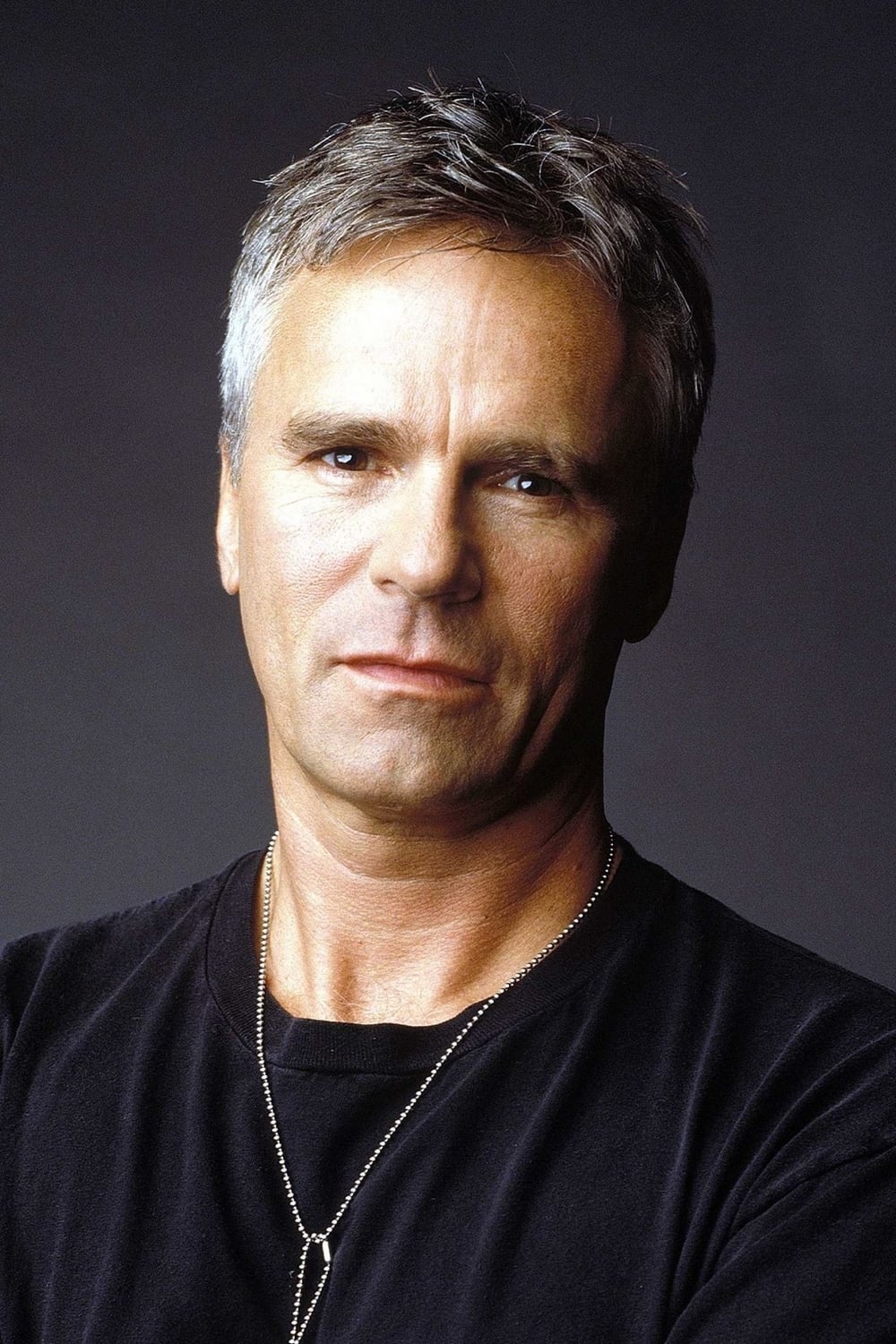
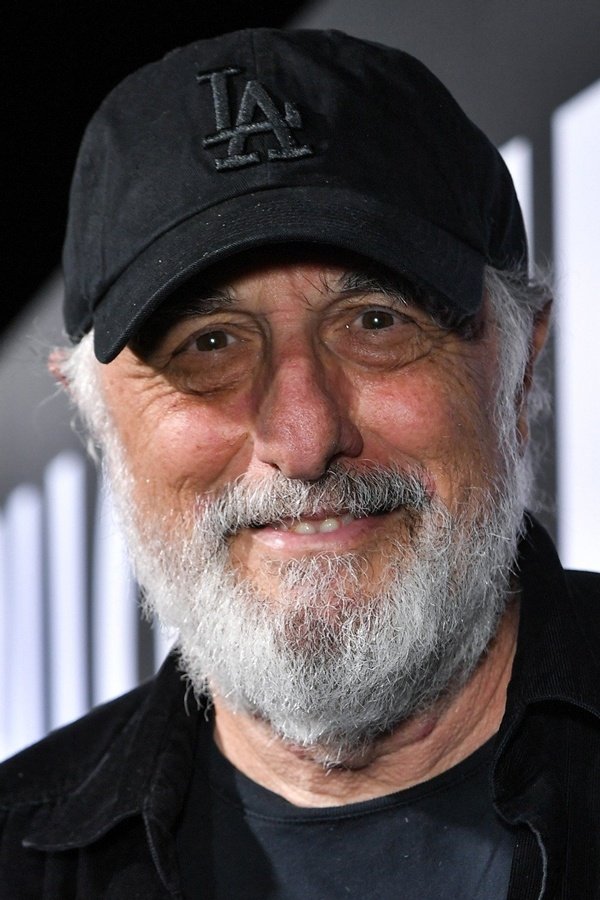
Richard Dean Anderson
Official Taleventry FanDex
TV-SPT-325
Data Reverse
TV-SPT-325
Richard Dean Anderson
Spotlight Signal Sheet
Fan Demand
0
Event Pull
4
Fandoms
Genres
Edition
Spotlight

Amazon Prime and Pluto TV currently host the entire Stargate SG-1 library, maintaining high visibility for younger audiences.
Known For
Angus MacGyver
MacGyver
The character proved that intelligence is a valid weapon — fans identify with his practical problem-solving and still bring duct tape to signings to celebrate his DIY ethos.
Jack O'Neill
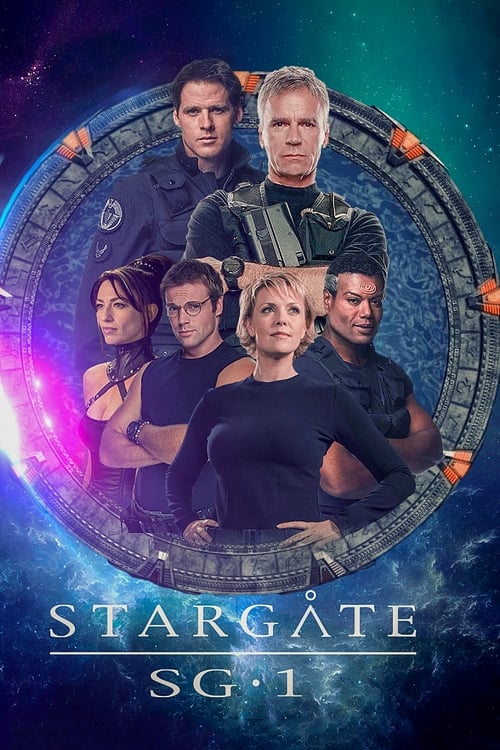
Stargate SG-1
His dry wit humanised the high-stakes science fiction world — the massive 'Gater' community rewatches the series specifically for his chemistry with the team and his deadpan reactions.
Jeff Webber
General Hospital
This role captured the hearts of daytime viewers during the soap's peak years — legacy fans travel to meet the man who was their introduction to the series decades ago.
Why Book Richard Dean Anderson
The Stargate SG-1 and MacGyver fandoms represent two distinct, high-loyalty demographics that converge on his live appearances for his rare public insights. Fans show up in person to experience the specific dry wit that defined the Jack O'Neill character across ten seasons of television. The current development of a new MacGyver film project provides a specific, dateable reason to book him before the franchise enters its next active cycle.
Genres
Advocacy
Convention Experience
No confirmed convention appearances found in research records.
Fan Engagement
Not yet verified through official convention reports.
Recent Work
A potential franchise return creates immediate media interest and re-activates the legacy fan base.
Richard — Biography
Richard Dean Anderson redefined the television hero by prioritising intelligence over physical violence. He began his professional path in 1976 on the daytime drama General Hospital, where he played Dr. Jeff Webber for five years. This early exposure to high-volume production prepared him for the intense schedules of prime-time television. In 1985, he secured the title role in MacGyver, a series that became a global phenomenon by celebrating scientific resourcefulness. Following the conclusion of his first major franchise, he transitioned into the executive producer role for the science fict…
Live Appearances
Richard Dean Anderson is confirmed for 4 upcoming appearances. Check dates and locations below for photo opportunities, signings, and panel appearances.
Convention Circuit
Starfury: Ascension 2
Birmingham, United Kingdom
Dragon Con 2026
Atlanta, USA
Rose City Comic Con (2026)
Portland, USA
San Diego Comic-Con Malaga (2026)
Malaga, Spain
Community Verdict
Rate the guest experience from 1 to 10. If you leave a comment, it can appear publicly in the User Feedback section.
Scores stay hidden until at least 3 ratings are submitted.
Checking sign-in status...
1976–1981
He enters the industry through the rigorous environment of daytime television on General Hospital. This period serves as a training ground for technical precision and rapid script memorisation. He risks being typecast in soaps but proves he can handle the heavy workload of a leading man.

1985–1992
He creates a cultural archetype with MacGyver by rejecting traditional action tropes like firearms. He builds a brand around scientific curiosity and non-violent conflict resolution. This success establishes him as a primary television star with global recognition.

1997–2007
He pivots to the sci-fi genre, taking on the role of Jack O'Neill while assuming executive producer duties. He risks his reputation on a film-to-TV adaptation that could have failed. Instead, he builds a decade-long franchise and becomes a central figure in genre fandom.
Celebrity Award
General Career
Honorary Brigadier General
Stargate SG-1
He pioneered a specific style of deadpan delivery that grounded the often-absurd stakes of Stargate SG-1. This technique allowed the series to balance military drama with self-aware humour.
He functioned as both the onscreen lead and an executive producer for 175 episodes of Stargate SG-1. This dual role ensured a consistent creative vision and a stable production environment.
During the filming of MacGyver, he performed a significant portion of his own stunts and technical prop work. This hands-on approach added a layer of physical realism to the character’s problem-solving scenes.
He successfully pivoted from a terrestrial action star to a science fiction anchor. This transition demonstrated his ability to adapt his screen presence to suit the technical requirements of VFX-heavy storytelling.
Total Credits
34
Career Span
1981-2023
Peak Decade
1990s
Peak Credits
12 titles
By Decade
By Role
By Genre
Highest rated credit: Stargate SG-1 (1997) — 8.3/10 · Producer
Complete Filmography — Richard
A poster-free credit ledger. Every title links to its TMDB source while keeping the full registry readable at scan speed.
2020s
1 credit
2000s
8 credits
1990s
12 credits
1980s
1 credit
Vancouver
Canada
Productions
Primary production base for the Stargate franchise for over a decade.
Los Angeles
United States
Productions
Primary shooting location for his early career and first major series.
Minneapolis
United States
Birthplace and early formative environment.
Editorial & Reference
The primary interest for a programming director lies in how Richard Dean Anderson managed the transition from a solitary action star to the center of a sprawling ensemble. In MacGyver, he was the sole focus, but in Stargate SG-1, he intentionally stepped back to let the team dynamic drive the narrative. This shift suggests a professional maturity that values the longevity of a brand over individual screen time. His decision to move production to Vancouver for the Stargate franchise also indicates a focus on production efficiency and fiscal responsibility that few actors of his stature would prioritise.
Promoters should notice that his screen presence relies heavily on a specific form of intellectual skepticism. He rarely plays characters who are true believers; instead, he plays the man who asks the obvious, often cynical question. This makes him highly relatable to adult audiences who appreciate a hero with a sense of the absurd. His relationship with the military, particularly the Air Force, is not merely a costume choice but a documented professional alliance that adds a layer of authenticity to his genre work. He represents a rare bridge between 1980s network television dominance and the 2000s rise of niche cable fandom.
The choice to disarm a leading man in the middle of the 1980s action boom was a significant creative risk. Richard Dean Anderson did not just play Angus MacGyver; he inhabitied a character who solved problems with physics rather than firearms. This decision fundamentally changed how television audiences viewed the concept of a hero. The series, which aired on ABC from 1985 to 1992, relied on a specific kind of physical intelligence that required the lead actor to be both convincing and relatable. Richard Dean Anderson is an American actor best known for playing Angus MacGyver in MacGyver and Jack O'Neill in Stargate SG-1. These two roles form the pillars of a career that has bridged the gap between classic network television and modern genre franchises.
Richard Dean Anderson played Angus MacGyver for seven seasons, establishing a global brand that focused on resourcefulness. The series became so influential that the name of the character eventually became a verb in common English usage. Fans who ask whether Richard Dean Anderson still engages with his early work will find that his impact on the DIY and scientific communities remains strong. He grounded the show with a leather jacket and a Swiss Army knife, creating a template for the intellectual adventurer that influenced decades of subsequent programming. This role earned him a place in the cultural lexicon, but it was his move into science fiction that secured his legacy with a different, equally dedicated audience.
In 1997, the landscape of televised science fiction changed with the premiere of Stargate SG-1. Richard Dean Anderson took on the role of Colonel Jack O'Neill, a character originally played by Kurt Russell in the 1994 feature film. The series ran from 1997 to 2007, moving from Showtime to the Sci-Fi Channel and becoming a cornerstone of the genre. Richard Dean Anderson served as an executive producer on the show, which allowed him to shape the tone of the series. He introduced a dry, cynical humor to the role that became the show's signature. By playing a military leader who was often skeptical of the high-concept science around him, he provided the audience with a grounded perspective. This approach helped Stargate SG-1 become one of the longest-running North American science fiction series in history.
The communities that support Richard Dean Anderson at conventions are among the most organized in the world. The 'Gaters,' as Stargate fans are often called, represent a multi-generational audience that values the technical and ensemble aspects of the show. These fans often travel across borders to attend panels where the cast discusses the production history in Vancouver. Promoters booking Richard Dean Anderson are tapping into a demographic that values longevity and craft over temporary trends. The live encounter with him is defined by the same pragmatism he brought to his roles. Fans report that his signings are professional and marked by the same deadpan wit that defined Jack O'Neill. This consistency between his onscreen persona and his public appearances is a significant factor in his continued popularity on the circuit.
The question of what Richard Dean Anderson has done since his major series ended is answered by his guest appearances and his work in production. He reprised his role as Jack O'Neill in several spin-offs, including Stargate Atlantis and Stargate Universe. He also voiced a version of himself on The Simpsons in 2006, highlighting his self-aware approach to his own fame. Currently, the Stargate SG-1 library is widely available on major streaming platforms like Amazon Prime and Pluto TV. This availability ensures that new viewers are constantly discovering his work, even years after the original air dates. This steady stream of new fans maintains his relevance for event organizers who need to reach younger demographics as well as nostalgic viewers.
Beyond the camera, his career is marked by a deep commitment to philanthropy. He has worked closely with the Make-A-Wish Foundation for decades, receiving a Celebrity Award from the organization in 1995. His portrayal of military personnel was so respected that the United States Air Force named him an honorary Brigadier General in 2004. These honors are not mere public relations achievements; they reflect the way his characters have resonated with real-world organizations. Fans connect with this aspect of his journey, seeing it as an extension of the integrity he displayed in his television roles. This personal thread of advocacy adds a layer of depth to his convention presence, as fans are often as interested in his humanitarian work as they are in his credits.
Richard Dean Anderson remains a high-value guest for any event focusing on the history of television or the science fiction genre. He represents a specific era of storytelling where characters were defined by their choices and their intelligence. His presence at a convention offers fans a direct link to two of the most successful franchises in television history. For a promoter, he provides a reliable draw that appeals to multiple fan bases simultaneously. Whether they are there for the resourcefulness of MacGyver or the tactical leadership of Jack O'Neill, the audience finds a performer who has consistently delivered grounded, thoughtful work for over four decades. His legacy is one of technical discipline and a unique understanding of what makes a character truly endure in the minds of the public.

Frequently Asked
7 questions answered
Related Talent
Matched by Connie across fandoms, genres & era