Jenny
Wright
Cult Horror Lead & 1980s Genre Performer
Current Studio
Independent
Primary Discipline
Actor
Region
North America
Status
Paris International Fantastic & Sci-Fi Film Festival Best Actress Winner
Follow
Represented By
 Convention All Stars LLCNot yet on Taleventry
Booking Intelligence
Near Dark is currently available on Shudder, introducing the film to new audiences.
Known For
Mae
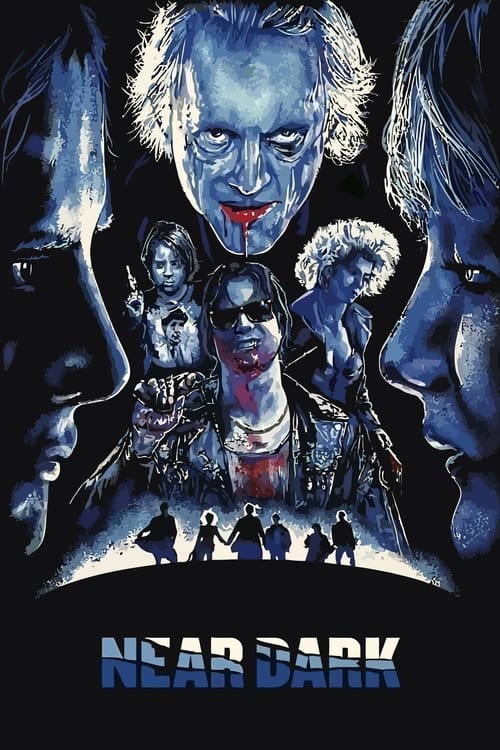
Near Dark
The tragic romance she brought to the role humanized the horror genre — her grounded performance is why the film maintains a massive cult following and why fans seek her signature at horror conventions today.
Virginia
I, Madman
Her determination as a horror lead made fans root for her survival — her performance earned a Saturn Award nomination and drives dedicated genre collectors to her table.
Felicia
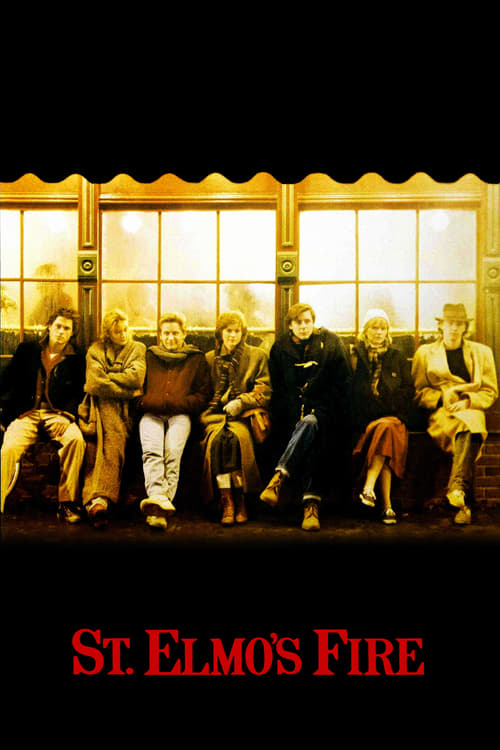
St. Elmo's Fire
Her presence in this quintessential 80s ensemble connects her to a massive nostalgia audience that remembers her as part of the decade's defining youth culture.
Why Book Jenny Wright
The Near Dark fandom remains one of the most loyal cult communities in the horror circuit, driven by the film's reputation as a genre-redefining masterpiece. Fans show up specifically to meet Jenny Wright because her 1998 retirement has made her an elusive and rare presence on the convention floor. With the film currently reaching new audiences via horror-centric streaming platforms, her value as a legacy booking is at a peak for the upcoming season.
Convention Experience
Fan Engagement
No recent information regarding Jenny Wright's fan accessibility at conventions has been found.
Jenny — Biography
Before she became a staple of 1980s genre cinema, Jenny Wright was a fixture of the New York City art scene. She modeled for Salvador Dalí and photographer Antonio Lopez while still a teenager. This early exposure to surrealism and high-concept art informed her later approach to acting. She debuted in major studio projects like The World According to Garp and St. Elmo's Fire before finding her most lasting impact in the horror genre. Wright earned her cult status through intense, grounded performances in films that blended genres. Her work in Near Dark redefined the vampire archetype for a ge…
Community Verdict
Seen Jenny Wright Live?
Rate the guest experience from 1 to 10. If you leave a comment, it can appear publicly in the User Feedback section.
Scores stay hidden until at least 3 ratings are submitted.
Checking sign-in status...
Career Acts & Milestones
1981–1985
The New York Debut
She moves from the high-fashion world of Dalí and Lopez into the gritty reality of early 80s film. These years are defined by supporting roles in massive cultural touchstones that test her ability to stand out in large casts. She proves her capability by securing a place in the iconic Brat Pack era of cinema.
1986–1989
The Cult Breakthrough
She shifts her focus toward lead roles in genre-bending thrillers and horror. This period cements her reputation as a performer who brings genuine weight to supernatural premises. She wins international recognition for a role that will define her professional legacy for the next four decades.
1990–1998
The Character Era
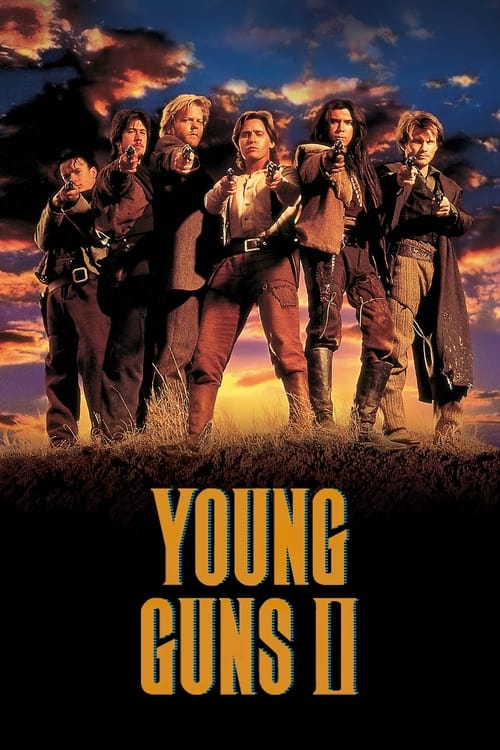
She transitions into versatile character work across television and big-budget sequels. This phase shows her reliability as a professional who can handle the demands of episodic drama and studio genre films. The work concludes with a quiet exit from the industry at the height of her recognition.
Industry Recognition
Saturn Award
Best Actress (Nomination)
I, Madman
Best Actress
Winner
Near Dark
Craft & Expertise
Emotional Stillness
She uses quiet intensity to convey complex character motivations without relying on dialogue. This technique is most evident in her performance as Mae in Near Dark.
Genre Versatility
She successfully transitioned from Brat Pack dramas to high-concept supernatural thrillers. Her work in I, Madman shows her ability to anchor a film as a solo lead.
Physical Vulnerability
She often plays characters facing extreme physical or psychological pressure. In Out of Bounds, she manages to maintain a realistic sense of danger and urgency.
Ensemble Chemistry
She established herself as a reliable presence in multi-character narratives. Her role in St. Elmo's Fire helped define the social dynamics of the 1980s youth ensemble.
The Registry
Total Credits
26
Career Span
1981-1997
Peak Decade
1980s
Peak Credits
18 titles
By Decade
By Role
By Genre
Highest rated credit: Crime Story (1987) — 8.0/10
Complete Filmography — Jenny
A poster-free credit ledger. Every title links to its TMDB source while keeping the full registry readable at scan speed.

1990s
8 credits
1980s
16 credits
This product uses the TMDB API but is not endorsed or certified by TMDB.
Notable Locations
New York City
United States
Productions
Early career base and filming location for debut roles.
Los Angeles
United States
Productions
Primary location for major studio productions.
Phoenix
United States
Productions
Filming hub for her most iconic genre role.
Tucson
United States
Productions
Location for Western genre filming.
Editorial & Reference
Jenny Wright: The Near Dark Cult Icon and 80s Genre Specialist
A specific intensity exists in the way Jenny Wright occupies the screen. She possesses a stillness that most actors of the 1980s lacked. While her peers leaned into the high-energy aesthetics of the decade, she often pulled back. This choice made her characters seem older and more grounded than the films around them. Her casting in Near Dark is the perfect example of this technique. She makes the supernatural feel like a weary, lived-in reality.
Promoters should notice that her career is defined by high-impact, short-duration presence. She was only active for less than twenty years, yet her films have higher rewatch value than many of her more prolific contemporaries. This scarcity is a major asset. Because she retired in 1998, there is a generational gap that has turned her into a figure of mystery. Her rare public appearances generate significant interest because she represents a very specific, high-quality era of genre filmmaking.
The sight of Mae leaning out of a truck window to taste the night air changed the vampire genre for a generation. This moment from the 1987 film Near Dark established a new kind of screen presence that was both ethereal and dangerously real. Jenny Wright played Mae in Near Dark, a role that earned her the Best Actress award at the Paris International Fantastic & Sci-Fi Film Festival. The film, directed by Kathryn Bigelow, ran as a cult hit through the late 1980s and has since become a permanent fixture of horror cinema history. For fans, Jenny Wright is the face of this era, representing a shift toward more complex and emotionally resonant genre storytelling.
Jenny Wright is an American actor best known for her roles in Near Dark and the ensemble drama St. Elmo's Fire. She entered the industry with a background in the New York City art world, having worked with Salvador Dalí before her film debut. Jenny Wright played Felicia in St. Elmo's Fire in 1985, a project that placed her at the center of the decade's youth culture boom. This was followed by leading roles in cult thrillers that prioritized atmosphere over spectacle. Her performance as Virginia in the 1989 film I, Madman showcased her ability to lead a narrative, earning her a nomination for a Saturn Award. These roles built a foundation of fan recognition that remains strong today despite her retirement from the industry in 1998.
The wider career of Jenny Wright includes a surprising range of credits that many casual fans might miss. She appeared in the science fiction thriller The Lawnmower Man in 1992 and the Western sequel Young Guns II in 1990. Each role demonstrated her capacity to adapt to different genre requirements while maintaining her signature intensity. Her work on television also included appearances in major series like NYPD Blue and Matlock. These credits prove a career longevity that allowed her to work across every major studio before choosing to step away from the public eye. This decision to retire early has created a sense of mystery that makes her rare public appearances highly anticipated by collectors and historians of the 1980s.
The fandom surrounding Jenny Wright is concentrated within the horror and retro-cinema communities. These fans travel to events like Horrorhound and Monster-Mania specifically for the chance to meet an actor who is not a regular on the convention circuit. The live encounter for many fans is a way to celebrate a specific period of filmmaking that they feel is more authentic than modern blockbusters. Promoters find that Jenny Wright appeals to a demographic that values rarity and quality over quantity. Her signings often involve deep conversations about the craft behind her roles, as the audience consists of serious students of the genre who have studied her work for decades.
Currently, the work of Jenny Wright is more accessible than ever through various streaming services. Near Dark is frequently featured on platforms like Shudder and Peacock, introducing her to a younger demographic that was not alive during the film's original release. This new wave of interest is a primary driver for the current demand at fan conventions. The question of what Jenny Wright has done since her retirement is often answered by her focus on her personal life and selective engagement with her legacy. This makes the present moment an ideal time for booking, as the 40th anniversary of her most iconic roles approaches, and her status as a cult icon continues to grow.
Her connection to the fans is rooted in a shared appreciation for the art of the 1980s. Jenny Wright has publicly confirmed that her early training at the Lee Strasberg Theatre Institute influenced her method-style approach to even the most fantastical roles. This dedication to craft is what fans connect with most deeply. They see her not just as a character in a film, but as an artist who took the material seriously. This philosophy is evident in every scene, whether she is playing a bookstore clerk in I, Madman or a sophisticated socialite in the Brat Pack era. Her commitment to the reality of the character is what has allowed her work to age so well.
An appearance by Jenny Wright at a convention offers promoters a chance to host a legitimate piece of cinema history. She is not simply an actor from a famous show; she is a performer who helped define the aesthetic of a decade. Fans who ask whether Jenny Wright still attends conventions will find that she is a thoughtful and engaged guest who treats the experience with the same professionalism she brought to her film sets. The experience of meeting her in person allows the audience to close the gap between the screen and the reality of her career. It is a factual account of a legacy that has survived long after the cameras stopped rolling.
Frequently Asked
6 questions answered