Jake
McKinnon
Practical Creature Specialist & Genre Character Actor

Current Studio
KNB EFX Group
Primary Discipline
Creature Performance & Mechanical Effects
Region
North America
Status
Practical Effects Veteran & Cult Horror Performer
Represented By
 Convention All Stars LLCNot yet on Taleventry
Booking Intelligence
House of 1000 Corpses frequently trends on Shudder and Pluto TV, maintaining a constant audience for Rob Zombie alumni.
Known For
The Professor
House of 1000 Corpses
The character is an unhinged standout in a cult classic, representing the grimy, practical aesthetic of 2000s horror.
Slappy (Puppeteer)
Goosebumps
Fans of the book series value the tangible, creepy life he breathed into the franchise's most famous villain.
Skeleton Man
Wishmaster
A pure example of 90s practical effects excellence that remains a favorite for creature design enthusiasts.
Hillside Zombie
Land of the Dead
As part of the George A. Romero legacy, this role connects him to the highest tier of zombie fandom.
Why Book Jake McKinnon
Jake McKinnon is the primary link to the practical effects behind House of 1000 Corpses and Goosebumps. He appeals to both hard-core horror collectors and the 90s/00s nostalgia audience who value 'real' monsters over CGI. Book him now to capitalize on the 20+ year legacy of Rob Zombie’s filmography and the growing interest in behind-the-scenes creature craft.
Convention Experience
Experienced — appeared at Creep I.E. Con (2023) and multi-fandom horror events.
Fan Engagement
Reputed for being highly approachable and eager to discuss the technical mechanics of his past roles with fans.
Jake — Biography
Jake McKinnon operates at the intersection of technical mechanical effects and physical performance. While many technicians stay behind the camera, McKinnon is recognized for inhabiting the creatures he helps build. He began his career in the early 1990s working on low-budget horror franchises, where he mastered the art of puppetry and suit performance under tight constraints. This dual capability eventually made him a staple at the KNB EFX Group, where he contributed to some of the most influential genre films of the modern era. His most recognizable contribution to horror cinema is the role…
Community Verdict
Seen Jake McKinnon Live?
Rate the guest experience from 1 to 10. If you leave a comment, it can appear publicly in the User Feedback section.
Scores stay hidden until at least 3 ratings are submitted.
Checking sign-in status...
Career Acts & Milestones
1991–1995
The Creature Apprentice
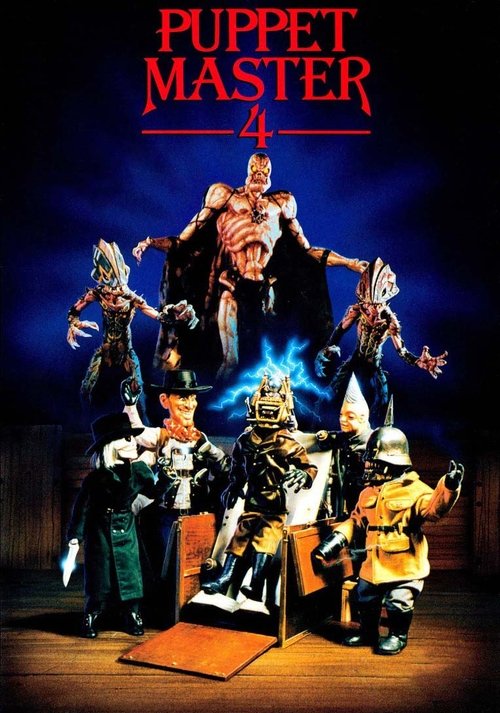
McKinnon cuts his teeth on low-budget sequels like Puppet Master 4 and Dolly Dearest. He risks being pigeonholed as a shop technician to prove he can handle both the build and the performance of small-scale monsters.
1996–2005
The KNB Breakthrough
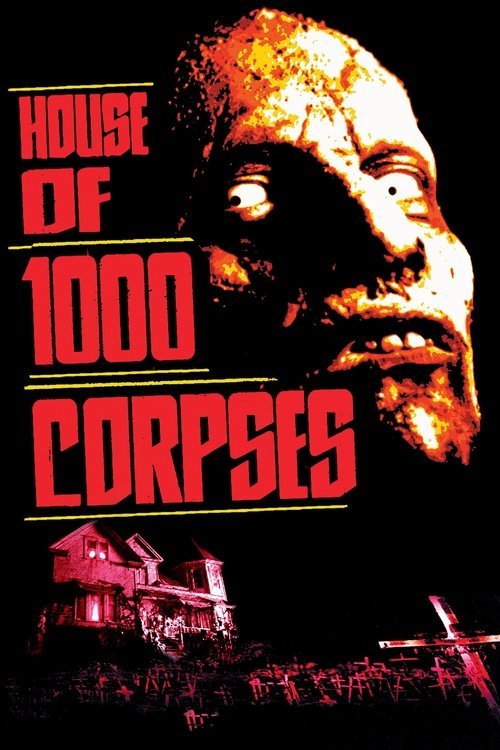
By joining forces with KNB EFX, McKinnon secures roles in major genre films like From Dusk Till Dawn and House of 1000 Corpses. He proves that a technician can become a memorable on-screen character, establishing his identity within the Rob Zombie cinematic universe.
2006–2015
The Studio Puppeteer
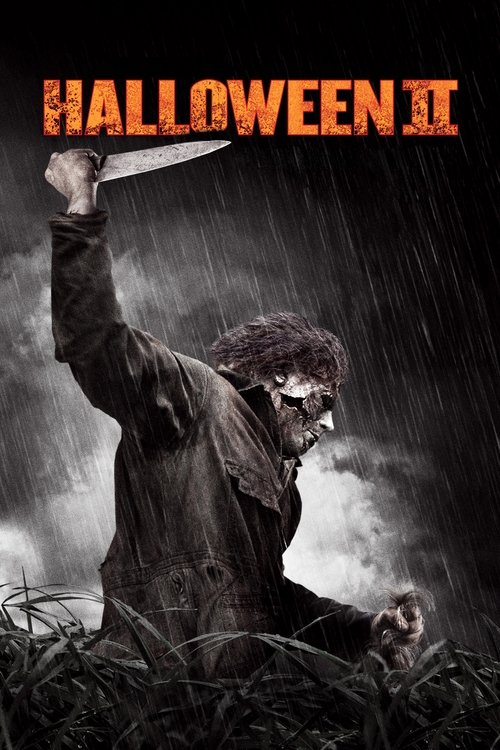
Transitioning to major studio blockbusters, he focuses on high-end mechanical puppetry for films like Goosebumps and Transformers. This period demonstrates his reliability as a top-tier operator for complex, expensive practical assets.
Craft & Expertise
Creature Performance
Executing complex movements inside restrictive foam and latex suits. This work requires high physical stamina and the ability to convey character through limited range of motion.
Specialized Puppetry
Operating high-stakes mechanical puppets for live-action interaction. He famously managed the nuanced movements of Slappy in the 2015 Goosebumps film.
Mechanical Fabrication
Building the internal skeletons and cable systems that power practical monsters. His work ensures that creature effects move realistically on camera.
Character Acting
Delivering eccentric on-screen performances, often in heavy makeup or prosthetics. He specializes in unhinged or physically imposing antagonists in cult cinema.
The Registry
Total Credits
18
Career Span
1993-2015
Peak Decade
2000s
Peak Credits
11 titles
By Decade
By Role
By Genre
Highest rated credit: Kill Bill: Vol. 1 (2003) — 8.0/10 · Special Effects Makeup Artist
Complete Filmography — Jake
A poster-free credit ledger. Every title links to its TMDB source while keeping the full registry readable at scan speed.

2000s
11 credits
1990s
6 credits
This product uses the TMDB API but is not endorsed or certified by TMDB.
Notable Locations
Los Angeles
United States
Productions
Primary production and effects shop base.
Editorial & Reference
Jake McKinnon: The Professor in House of 1000 Corpses & Slappy
The through-line of this career is the physical translation of weight and physics into horror. He understands that a monster is only scary if it moves like it has mass and bone. While many performers treat a creature suit like a costume, he treats it like a complex machine. He manages the tension of latex and the pull of hidden wires to hide the man inside the beast. This requires a deep knowledge of how anatomy works when it is trapped under fifty pounds of foam rubber. He does not just play the character from behind a mask. He operates it from the internal mechanics out to the surface.
A serious student of his work notices how he uses the limits of a suit to his advantage. In his most famous horror roles, he employs a series of rigid, clicking motions that make a body feel less than human. This is a calculated choice to make the character feel more like an object that has come to life. He often works with a sense of stillness that creates more dread than constant motion. A casual fan sees a scary face, but an expert sees a performer who knows exactly where the camera is and how light hits a specific texture.
He serves as the technical backbone for the legendary KNB EFX Group. He is often the person who fixes a failing puppet in the middle of a shot and then delivers a top-tier performance in the next take. This dual ability to build and breathe life into a creature makes him a bridge between the workshop floor and the screen. He represents a specific era of practical effects where the performer and the technician were the same person. His career is a masterclass in the tangible, tactile side of film history that digital tools cannot replicate.
Listening to the mechanical click of a jaw or the hiss of a pneumatic pump reveals the true nature of creature performance. These sounds defined the set of a modern cult classic where a tall, gaunt figure in a lab coat became a lasting nightmare. This character did not rely on jump scares or fast motion to terrify the audience. Instead, he used a slow and deliberate gait that suggested something deeply wrong with the anatomy underneath the clothes. This specific way of moving turned a background monster into a figure that fans still dress up as today. It takes a unique blend of technical skill and physical control to make a foam rubber mask feel like living skin. This is the work of a man who lives inside the monsters he helps to build.
Most audiences first met this specific style of horror in the 2003 film House of 1000 Corpses. As The Professor, he anchored some of the most unsettling scenes in the Firefly family basement. The character stood out because he felt like a relic from an older, grimmer era of filmmaking. Fans responded to the raw and tactile nature of the design that avoided the clean look of modern digital effects. The performance turned a silent role into a central piece of the film’s mythology. It proved that a well-designed character could become a fan favorite through body language alone. Today, this role is a cornerstone of the 2000s horror revival and a frequent topic at fan conventions.
His range extends far beyond the dark basements of R-rated horror into the world of family-friendly thrills. Many fans are surprised to learn he is the hand and heart behind the most famous ventriloquist dummy in cinema history. In the Goosebumps film franchise, he brought Slappy to life using a complex system of rods and cables. He had to give a wooden doll a personality that was both charming and deeply threatening. This required micro-movements of the eyes and a specific tilt of the head to convey emotion without a human face. This work shows the level of craft hidden beneath the surface of big-budget studio films. It connects him to a younger generation of fans who grew up with the Scholastic book series.
Promoters and event organizers see a very specific draw when it comes to this type of talent. The people who show up to his table are often students of film craft and practical effects enthusiasts. They come to ask about the weight of the Skeleton Man suit from Wishmaster or the makeup process for a Romero zombie. These fans value the physical history of the genre and want to know how the magic was made before computers took over. He represents the KNB EFX Group legacy, which is the gold standard for makeup effects in Hollywood. This makes him a perfect fit for panels that focus on the history of the industry and the art of the monster. He offers a behind-the-scenes look that few other actors can provide.
His work remains highly visible today as classic projects find new life on streaming platforms. House of 1000 Corpses is a staple on horror services like Shudder and AMC+, where it reaches new viewers every October. The Goosebumps films continue to be a massive draw on Disney+ for family movie nights. He is also part of the team that handles the creatures and gore for major series like The Walking Dead: Daryl Dixon. This keep him at the center of the most popular genre franchises currently on television. Fans who follow the latest in makeup effects see his handiwork in nearly every major horror release. There is a constant demand for the tangible style of filmmaking he has mastered.
There is a deep respect for the craft philosophy he brings to every production. He has often spoken about the challenge of making foam rubber and cable feel like a living soul. This philosophy is rooted in the belief that an actor must work with the suit and not against it. He views the mechanical rigs and heavy prosthetics as partners in the performance. This level of dedication is why directors trust him with their most important creature designs. He is known for staying in the suit for hours to ensure the puppet stays calibrated for the perfect shot. This work ethic is a point of pride for fans who appreciate the hard work behind their favorite movies.
Meeting him at a convention is an opportunity to learn the secrets of the horror trade from a true veteran. He brings a deep sense of authority to any discussion about the golden age of practical effects. Fans walk away with a better understanding of how their favorite monsters were operated and built. He does not just sign a photo; he shares a specific detail about a day on set or a technical hurdle he had to clear. This makes the encounter feel like a private lesson in film history. For anyone who loves the grimy and tactile world of 90s and 2000s genre cinema, he is an essential figure to meet. He is a living link to the practical magic that defined a generation of film.
Frequently Asked
6 questions answered