Hugh
Spight
Mask Performance & Practical Creature Craft
Current Studio
Lucasfilm
Primary Discipline
Actor
Region
Europe
Status
Star Wars Creature Performer
Follow
Represented By
Alliance AgentsNot yet on TaleventryBooking Intelligence
Disney+ currently features Return of the Jedi, sustaining his visibility within the core Star Wars viewership.
Known For
Gamorrean Guard
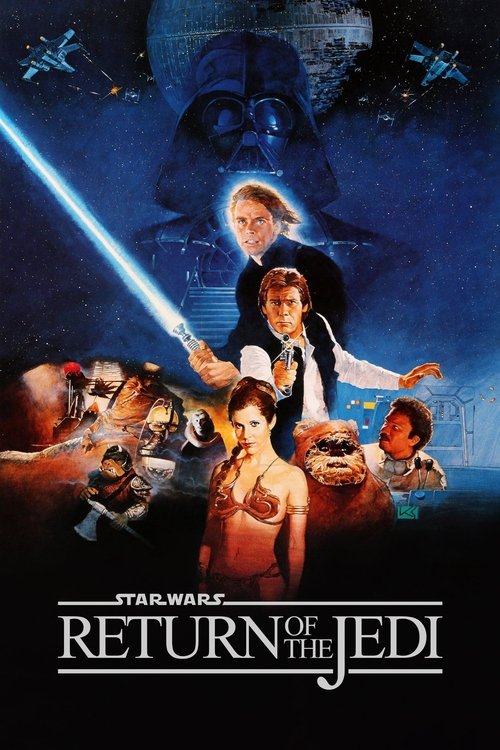
Return of the Jedi
The physical bulk and porcine design of the guards created a sense of real danger in Jabba’s Palace, leading fans to collect the character’s toys and build detailed costumes for troop events.
Elom
Return of the Jedi
This obscure background creature became a cult favorite for its unique design, and fans identify with Spight for bringing life to the hidden corners of the Star Wars galaxy.
Mon Calamari
Return of the Jedi
As part of the Rebel fleet, these characters represent the tactical heart of the finale, and fans seek out the actors to complete their collections of the iconic battle officers.
Why Book Hugh Spight
Hugh Spight is a key target for 'Original Trilogy' collectors who prioritize actors with multiple creature roles from the Jabba's Palace sequences. Fans seek him out for his first-hand accounts of the 1980s practical effects era and the technical challenges of 1980s suit acting. His active 2026 UK tour schedule proves a consistent draw for regional events looking for verified Star Wars heritage talent.
Convention Experience
Fan Engagement
Spight is known for sharing detailed technical anecdotes about the creature shop and engaging deeply with collectors of Star Wars memorabilia.
Hugh — Biography
Hugh Spight is a physical performer and actor who helped define the visual language of 1980s creature cinema. He is widely recognized for his work within the Star Wars universe, specifically for his multiple roles in Return of the Jedi. His ability to convey character through heavy prosthetics and restricted visibility made him a vital asset for Lucasfilm during the peak of practical effects. He began his career in the early 1980s, balancing theatrical precision with the grueling physical demands of suit performance. His career includes collaborations with noted directors like David Lynch and…
Community Verdict
Seen Hugh Spight Live?
Rate the guest experience from 1 to 10. If you leave a comment, it can appear publicly in the User Feedback section.
Scores stay hidden until at least 3 ratings are submitted.
Checking sign-in status...
Career Acts & Milestones

1980–1982
The Physical Foundation
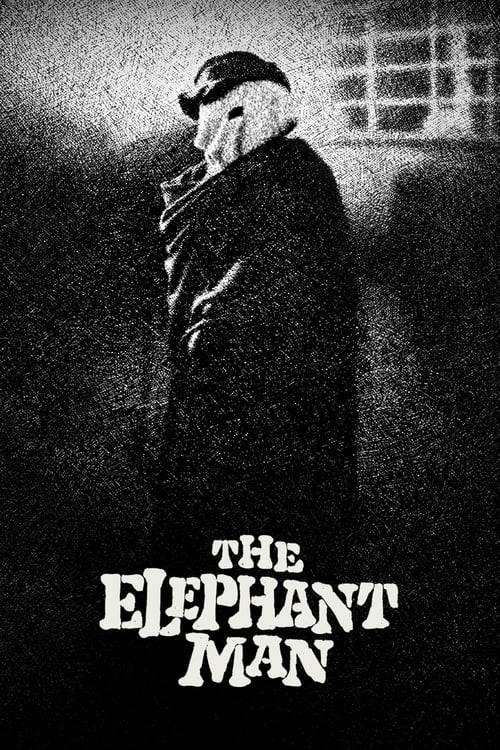
Spight enters the industry through high-concept productions like The Elephant Man. He risks the anonymity of masked performance to build a foundation in character movement. This period proves his ability to work within complex, high-pressure practical sets.

1982–1984
The Lucasfilm Epoch
He joins the production of Return of the Jedi, taking on multiple creature identities simultaneously. He risks physical exhaustion in the Gamorrean suit to deliver a performance that defines the palace guard aesthetic. This era establishes him as a permanent part of the Star Wars legacy.

2015–Present
The Legacy Circuit
He transitions into a professional legacy role, sharing technical insights with a new generation of fans. He leverages his unique position as a multi-character performer to maintain steady demand at fan events. This act proves the long-term value of original trilogy background talent.
Craft & Expertise
Mask Performance
Spight mastered the art of conveying emotion through thick latex and mechanical masks. He worked extensively with restricted sightlines in the Gamorrean Guard suit.
Physical Characterization
He creates distinct movement profiles for non-human entities to ensure they feel like living organisms. This skill was essential for the diverse creature roles in Jabba's Palace.
Suit Endurance
He maintained high-level performances while wearing heavy, heat-trapping foam costumes for 12-hour shoot days. This physical discipline is a hallmark of his 1980s film work.
Practical Effects Collaboration
He worked alongside legendary creature shops to test the mobility and function of new designs. His feedback helped bridge the gap between static sculpture and moving character.
The Registry
Total Credits
3
Career Span
1980-1983
Peak Decade
1980s
Peak Credits
3 titles
By Decade
By Role
By Genre
Highest rated credit: The Elephant Man (1980) — 8.0/10
Notable Locations
London
United Kingdom
Productions
Primary production base near Elstree and Pinewood Studios.
Bedford
United Kingdom
Active convention location in 2026.
Newark-on-Trent
United Kingdom
Host city for Festival of the Force 2026.
Weybridge
United Kingdom
Location for Star Wars themed events in 2025.
Editorial & Reference
Hugh Spight: The Man Behind the Gamorrean Guard in Star Wars
Hugh Spight represents a specific breed of performer that is becoming extinct in the era of motion capture. His work in the early 1980s was not about digital points on a face. It was about fighting against the physics of foam, rubber, and heat. When you look at his casting in Jabba's Palace, you see a performer who was trusted with the heavy lifting of the scene. The Gamorrean Guard is a character of pure silhouette and threat. Spight had to deliver that threat without the benefit of facial expressions.
Promoters should note that Spight is a 'multiple-role' guest. He isn't just one character; he is a cluster of characters. This allows him to bridge different niches within the Star Wars fandom. He can speak to the collectors of Mon Calamari figures and the fans of the obscure creatures like Elom. His value lies in his technical memory. He can explain how a shot was constructed at Pinewood Studios when the technology was purely mechanical. He provides the 'how-to' intelligence that modern fans crave.
The weight of a Gamorrean Guard suit in 1982 was enough to exhaust most performers within minutes. For Hugh Spight, this was simply the requirement of the job. He was tasked with bringing one of the most physically imposing aliens in the Star Wars universe to life. This role required more than just standing in a suit. It demanded a specific type of movement that translated through thick foam and heavy prosthetics. Hugh Spight brought a sense of grounded weight to the guards in Jabba's Palace. This work ensured the characters felt like real threats rather than simple costumes. The endurance required for these scenes is a major talking point for fans who study the making of the original trilogy.
Hugh Spight is an English actor best known for playing the Gamorrean Guard in Return of the Jedi. This film was released in 1983 and serves as the conclusion to the original Star Wars trilogy. Beyond the green-skinned guards, Hugh Spight also portrayed the creature known as Elom and various Mon Calamari officers. This versatility makes him a unique figure in the Lucasfilm history. He was present for some of the most complex practical effect sequences ever filmed at Elstree Studios. Fans of the franchise often seek out performers like Hugh Spight to understand the physical reality of these sets. His work helped define the aesthetic of the 1980s sci-fi boom.
His career began with a focus on specialized performance and theatre. Before he entered the Star Wars universe, Hugh Spight appeared in The Elephant Man in 1980. This film was directed by David Lynch and is considered a masterpiece of prosthetic-driven drama. Hugh Spight played a 'Puss in Panto' role, which allowed him to utilize his theatrical training in a cinematic context. He also appeared in the 1982 production of Treasure Island as Morgan. These early credits show a performer who was comfortable in period costumes and high-concept environments. He chose roles that required a high degree of physical discipline. This range prepared him for the intense requirements of the Lucasfilm creature shop.
The Star Wars community remains the primary driver for his convention appearances. Collectors of 'Jabba’s Palace' memorabilia are particularly dedicated to meeting the actors behind the masks. Hugh Spight is a regular guest at events like Bedford Comic Con and Festival of the Force. At these signings, he often meets fans who have spent years building their own Gamorrean Guard costumes. The live encounter is a chance for these fans to learn the technical secrets of the original suit. They want to know how he managed the visibility and the heat. For a promoter, Hugh Spight offers a high level of engagement. He is part of a diminishing group of actors who worked on the original 1980s trilogy.
Currently, his work is more accessible than ever due to streaming services. Return of the Jedi is a permanent fixture on Disney+, ensuring a new generation of fans discovers his characters every year. This constant streaming presence creates a 'second-discovery' wave. Young fans who are just starting their Star Wars journey often become fascinated by the practical creatures. They search for the names of the actors who played the guards and the aliens. This digital tail keeps Hugh Spight relevant to audiences who were not born when the films were first released. It also fuels the demand for his presence at 2025 and 2026 fan events across Europe.
The craft of mask performance is a central thread in his career. Hugh Spight has often spoken about the need to 'over-act' with the body when the face is hidden. This technique is what made the creatures in the original trilogy feel alive. He had to use his shoulders, his gait, and the tilt of his head to communicate intention. This is a subtle skill that is often overlooked in modern cinema. Fans who appreciate the history of film craft view Hugh Spight as an expert in this field. His stories about working with the puppet masters and creature designers are a highlight of his panel appearances. He represents the human element inside the monster.
Booking Hugh Spight for a convention provides a professional and reliable experience for the audience. He has a long history of successful event participation across the United Kingdom. He understands the 'signing culture' and the importance of the fan interaction. For a promoter, he is a 'safe' booking with a guaranteed niche audience. He fits perfectly into Star Wars themed weekends and general comic-con lineups. His ability to cover multiple characters from a single film increases his marketing value. He remains a dedicated ambassador for the practical effects era. Meeting him allows fans to touch a piece of cinematic history that was built by hand.

Frequently Asked
6 questions answered