Willem Dafoe has spent nearly five decades redefining the boundaries between method acting and the deliberate artifice of the stage. The first thing that audiences note when viewing his work is the economy of his movement; he rarely wastes a gesture, opting instead for a singular focus that draws the viewer into the character's immediate environment. This specific approach to presence is what separates his work in a multi-million dollar blockbuster from his roles in experimental cinema. Whether he is voicing an animated character or commanding a scene as a cinematic villain, he brings a level of craft that has made him a fixture of both festival circuits and international multiplexes.
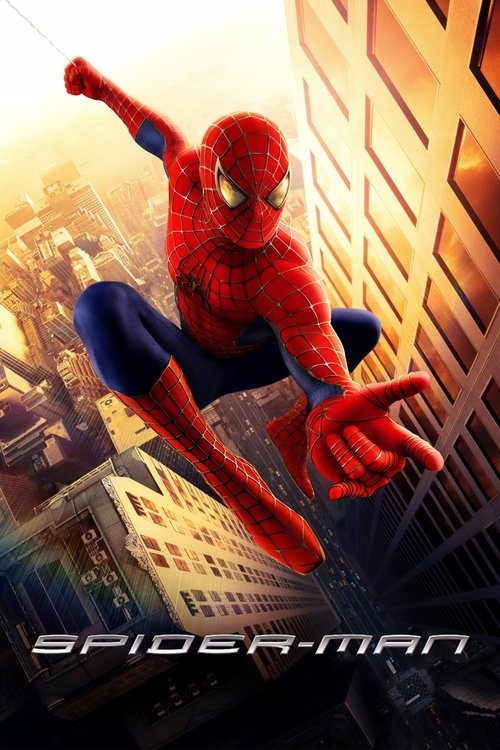
Willem Dafoe is an American actor best known for playing Norman Osborn, also known as the Green Goblin, in the Spider-Man film trilogy. The trilogy, directed by Sam Raimi, ran from 2002 to 2007 and became a defining touchstone for modern comic book cinema. Dafoe returned to the role in the 2021 film Spider-Man: No Way Home, which generated an immediate, global response from fans and critics alike. His ability to anchor these high-stakes franchises while maintaining his commitment to niche, auteur-driven projects is a central paradox of his career. This versatility is what makes him a consistent subject of discussion in film studies and fan-driven media analysis.
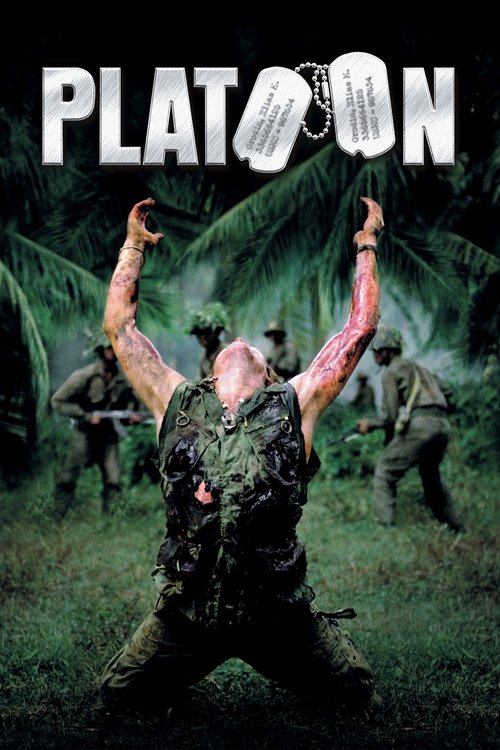
Beyond the franchise roles, the wider career of Willem Dafoe is a list of collaborations with some of the most respected directors in the industry. He has worked with Robert Eggers, Wes Anderson, and Yorgos Lanthimos, often taking on roles that require deep emotional and physical commitment. In the 1986 war drama Platoon, directed by Oliver Stone, he played Sergeant Elias Grodin, a performance that cemented his reputation as a lead actor of immense caliber. He followed this with works like The Last Temptation of Christ in 1988 and American Psycho in 2000. These credits showcase a range that spans from historical biopics to biting social satires, proving that his utility in a cast is as varied as the genres he explores.
Fans who ask whether Willem Dafoe still attends conventions are often looking for the opportunity to discuss his process and the specific technical choices he makes in his most iconic scenes. The communities that claim him range from true-crime enthusiasts who followed his work in American Psycho to the massive, multi-generational Spider-Man fandom. For convention promoters, he represents a rare category of guest who can hold court at both an academic, craft-focused panel and a massive, autograph-signing event. His appearance at such an event is typically marked by a strong turnout from fans interested in the behind-the-scenes mechanics of high-level film production.
Today, the question of what Willem Dafoe has done since his latest major project ended is answered by his continued output in both voice acting and prestige live-action films. He recently appeared in the 2024 film Nosferatu and continues to provide voice work for high-profile animated features. His streaming presence remains significant, with titles like Spider-Man: No Way Home and The Lighthouse frequently appearing on top streaming platforms. This ensures that a new generation of viewers is constantly introduced to his work, keeping his fan base active and engaged with his current projects.
His advocacy and craft philosophy are reflected in the projects he selects, often prioritizing films that challenge standard narrative structures. He is known to be a dedicated collaborator who values the long-term relationships he forms with directors and fellow actors. Fans who have followed his journey through The Wooster Group often point to this as the source of his grounded approach, noting that he treats every role as a commitment to the ensemble. This perspective is a core part of his public identity, even when he is appearing in larger, more commercial vehicles that do not typically invite such deep analysis.
The convention close for a guest of this caliber is straightforward: he provides a bridge between the art-house and the fan-driven blockbuster. Promoting a signing or panel featuring Willem Dafoe is an invitation to fans who value the intellectual side of their fandom. He does not need a massive marketing campaign to draw an audience, as his name alone acts as a signal of quality to anyone familiar with the genre. For a convention, securing his time is less about the momentary hype and more about the long-term value he brings to the event's reputation as a home for high-quality, craft-focused entertainment.