Holo Chase
Spotlight Drop
Official Taleventry FanDex
TV-MTH-399
Data Reverse
TV-MTH-399
Tom Hanks
Monthly Spotlight Signal Sheet
Fan Demand
0
Event Pull
0 dates
Fandoms
Genres
Date Stamp
04 JUL 2026
Monthly Spotlight

Apple TV+ is currently hosting Masters of the Air, which has renewed interest in his World War II production legacy.
Known For
Sheriff Woody
Toy Story
The role represents the emotional core of childhood loyalty for three generations. Fans identify with the actor's ability to ground a plastic toy with human anxiety. Rewatch culture is permanent, and fans show up in person to hear the voice that defined their early years.
Captain Miller
Saving Private Ryan
He became the face of the veteran experience for the modern era. Military history enthusiasts identify with the restraint he brought to the character. Fans engage in deep historical discussion, viewing the actor as a steward of that memory during live panels.
Forrest Gump
Forrest Gump
The character represents a purity of spirit that fans find comforting. The distinct vocal performance is a primary driver for fan interactions. People travel to meet the man who embodied an era of American cultural shorthand.
Why Book Tom Hanks
The Toy Story fandom bridges the gap between millennial parents and Gen Alpha children, ensuring a massive, family-oriented turnout. Fans show up for the rare chance to interact with the primary voice of Pixar's founding franchise. The theatrical release of Toy Story 5 in 2026 provides a high-value promotional window for major event appearances.
Convention Experience
No confirmed convention appearances found.
Fan Engagement
He is known for a professional and approachable public persona during press events, though he maintains high privacy outside of promotional cycles.
Recent Work
The return of Sheriff Woody is the single largest animation trigger for the 2026 calendar year.
Tom — Biography
Tom Hanks transitioned from physical comedy in the early 1980s to become a definitive dramatic face of American cinema. After initial success in comedies like Splash and Big, he secured consecutive Academy Awards for Best Actor in the mid-1990s. His work as Andrew Beckett in Philadelphia and the title role in Forrest Gump established a reputation for emotional clarity and grounded realism. Beyond acting, he is a primary architect of historical television through his company, Playtone. His production work on Band of Brothers and Masters of the Air has shaped the modern understanding of World…
Community Verdict
Rate the guest experience from 1 to 10. If you leave a comment, it can appear publicly in Fan Reviews.
Scores stay hidden until at least 3 ratings are submitted.
Checking sign-in status...

1980–1989
He began by testing the limits of high-energy physicality in sitcoms and slapstick films. He risked being typecast as a manic lead, but he used these roles to master timing. This period proved he could carry a film through energy alone.
"I like to see how much I can do with just a look."

1990–1999
He intentionally shifted toward heavy dramatic subjects to prove his range beyond comedy. By taking roles that addressed the AIDS crisis and the horror of war, he redefined his public image. This decade established him as a serious dramatic force.
"The truth is always more interesting than the safe choice."

2000–Present
He moved into production to ensure specific historical stories reached the public. He risked his personal capital to fund massive limited series about the World War II experience. This era proves his interest in legacy over individual performance.
Best Actor
Forrest Gump
Best Actor
Philadelphia
Cecil B. DeMille Award
N/A
Best Actor in a Leading Role
Captain Phillips
Best Actor in a Play
Lucky Guy
He defines character through specific vocal cadence and emotional rhythm. This is most evident in his work as Woody, where he balances authority with high-pitched anxiety.
He uses body language to signal age, health, and social status. His performance in Cast Away shows a complete shift in movement and posture over the film's timeline.
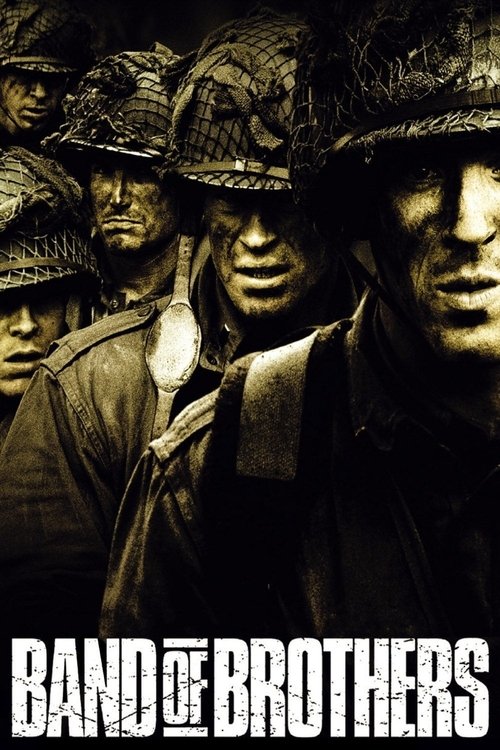
He acts as a creative steward for military and space history. This includes leading the production of Band of Brothers and narrating numerous historical documentaries.
He specializes in playing competent men facing impossible systemic pressure. This technique allows audiences to project their own experiences onto his characters in films like Sully.
Total Credits
290
Career Span
1980-2026
Peak Decade
2010s
Peak Credits
89 titles
By Decade
By Role
By Genre
Highest rated credit: Band of Brothers (2001) — 8.6/10 · Director
Complete Filmography — Tom
A poster-free credit ledger. Every title links to its TMDB source while keeping the full registry readable at scan speed.
2020s
24 credits
Los Angeles
United States
Productions
Primary career and production base
London
United Kingdom
Productions
Major production hub for European historical projects
Cleveland
United States
Productions
Significant filming location for mid-career work
Oakland
United States
Productions
Hometown and northern California production hub
Editorial & Reference
Observers often miss the specific way he uses exhaustion as a storytelling tool. In his later career, he rarely plays characters with boundless energy. Instead, he portrays men who are deeply tired but refuse to quit. This recurring theme of endurance makes his characters feel accessible to older demographics while maintaining a heroic edge for younger viewers. His casting often relies on his ability to project immediate trust, a quality he has cultivated through a lack of vanity on screen.
His collaboration with Playtone shows a methodical approach to genre building. He does not just act in historical pieces; he architects the visual language of the period. By focusing on the 'Everyman' in extraordinary circumstances, he has avoided the pitfalls of the traditional action star. His move into voice work for Pixar was not a side project. It was a strategic entry into the childhood memories of an entire generation. This makes him a unique prospect for intergenerational bookings.
The piano scene in the FAO Schwarz toy store remains a specific moment that defines the career of a master of movement. The way the actor shifted from the awkwardness of a child to the joy of a performer showed a unique physical intelligence. This early work in comedies like Big and Splash established a foundation of trust with the American public. Tom Hanks played Josh Baskin in Big, and the film became a touchstone for 1980s cinema. This early period was not just about humor; it was about the ability to project an honest internal life through a lens. This sincerity would eventually allow him to tackle the most difficult subjects in modern history.
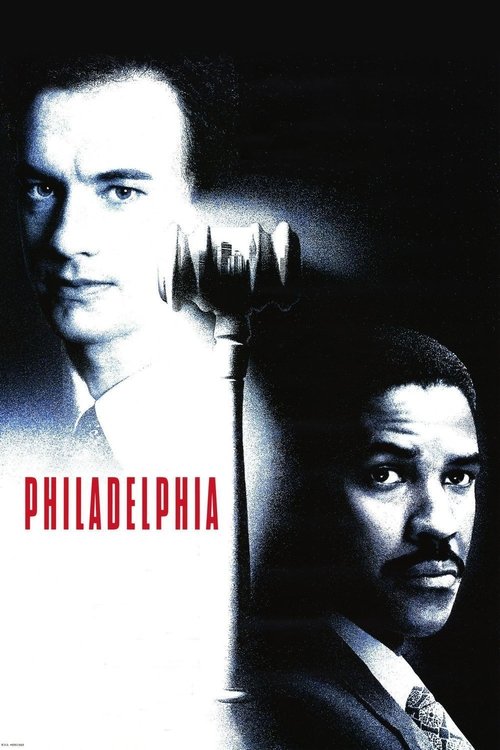
His transition into dramatic weight occurred with a sudden and disciplined focus. Tom Hanks played Andrew Beckett in Philadelphia in 1993, a role that addressed the AIDS crisis with a dignity that was rare for the time. This performance earned him his first Academy Award for Best Actor. He followed this immediately by playing the title character in Forrest Gump, which ran in theaters in 1994. These two roles back-to-back created a cultural footprint that few others can match. For fans of these films, the actor is more than a celebrity; he is a narrator of the national experience. His ability to ground high-concept stories in personal stakes is why these titles remain on top streaming lists today.
Beyond the leading roles that everyone knows, his work as a filmmaker reveals a deep interest in the mechanics of storytelling. He wrote and directed That Thing You Do! in 1996, showing a fondness for the mid-century music scene. He also explored high-concept science fiction in Cloud Atlas, where he played multiple roles across different time periods. These choices show a performer who is not afraid to risk his reputation on challenging material. He often collaborates with directors like Steven Spielberg, appearing in Saving Private Ryan and Bridge of Spies. These projects have turned him into an unofficial historian of the twentieth century. His interest in space exploration also led to his involvement in Apollo 13, a film that fans still quote decades later.
Which communities genuinely claim this person and why is a question of scale and diversity. The Pixar fandom is perhaps the most active, as Toy Story has existed as a cultural pillar since 1995. These fans view the actor as the literal voice of their childhood. At the same time, a massive community of military history enthusiasts follows his work as a producer. Fans of Band of Brothers and The Pacific attend events specifically to discuss the accuracy and emotional weight of these productions. This cross-section of animation fans and history buffs creates a unique convention environment. People who ask whether Tom Hanks still attends conventions will find that his appearances are rare and highly managed. This scarcity increases the value of any live encounter for promoters and fans alike.
Today, the specific reason to care about his work involves the expansion of his most famous worlds. Masters of the Air is currently streaming on Apple TV+, maintaining his position at the center of the prestige television landscape. This series has introduced his production style to a new generation of viewers who value high-budget historical realism. He also continues to appear in contemporary dramas like A Man Called Otto, which found a massive second life on Netflix. This streaming presence ensures he is visible to audiences who may not have seen his early 1990s work. He remains a primary driver of viewership on digital platforms, often appearing in the 'most watched' categories long after his films leave the theater.
His advocacy work for space exploration and veterans' affairs is a publicly confirmed part of how fans relate to him. He has served on the board of the National Space Society and frequently speaks on the importance of the Apollo missions. This is not just a hobby; it is a core part of his public identity that fans connect with. Many followers view him as a bridge to a more optimistic era of American achievement. This personal thread of being a 'good man in a hard world' is the through-line of his career. It is why audiences feel a personal connection to him that goes beyond simple admiration for his acting ability. He represents a specific type of moral consistency that is highly valued in the current media landscape.
The question of what he has done since the Robert Langdon series ended is answered by his move into more personal, character-driven projects. He is worth meeting in person because he is one of the last true architects of the cinema experience. A live encounter with him offers fans a direct link to the golden era of the 1990s blockbuster and the birth of modern computer animation. He brings a level of professionalism and historical knowledge that makes every interview and panel a significant cultural event. For a promoter, booking him is not just about a name on a poster; it is about providing an audience with a rare moment of cinematic history. He remains the definitive face of sincerity in an industry that often favors irony.

Frequently Asked
7 questions answered