Cinematic background for Steve Miner
Verified Industry Legend
verified

Steve
Miner

Slasher Legacy Architecture & Genre Television Craft

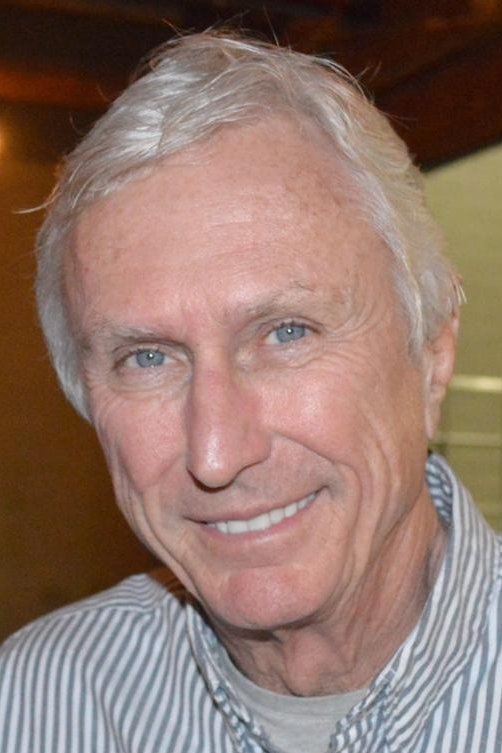
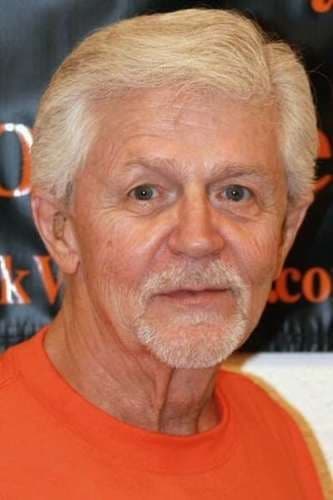
Headshot of Steve Miner
StudioParamount Pictures
DisciplineDirector
RegionNorth America
StatusDGA Award Winner & Friday the 13th Director
FollowIMDb

Represented By

Convention All Stars LLCConvention All Stars LLCNot yet on Taleventry

Booking Intelligence

live_tv

The Friday the 13th collection is currently on Max and Paramount+, keeping Steve Miner’s foundational horror work in the top-tier horror recommendations during the 2026 summer season.

Known For

Director

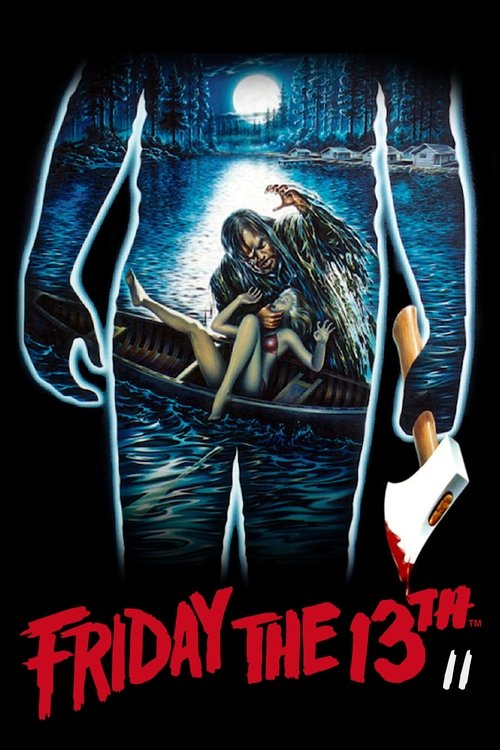
Friday the 13th Part 2 & Part III

Paramount Pictures·1981–1982

The introduction of the modern slasher tropes and the hockey mask created a visual icon that fans celebrate through high-end mask collecting and annual franchise marathons.

Director

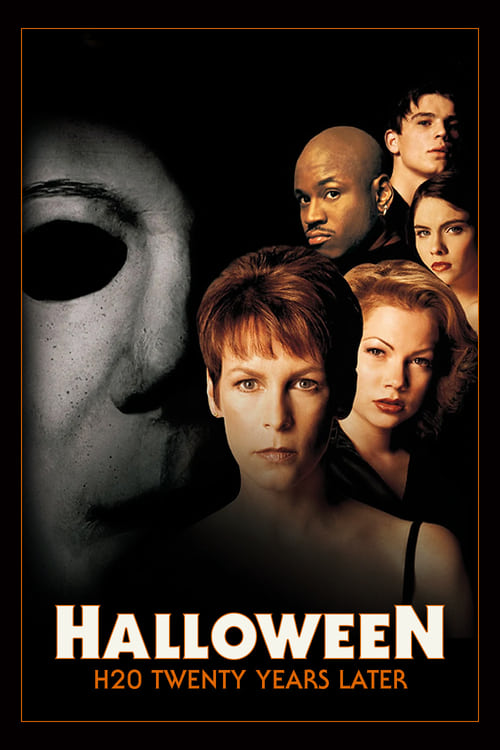
Halloween H20: 20 Years Later

Dimension Films·1998

His decision to ignore later sequels and focus on the original rivalry resonated with legacy fans who travel to events to hear about his collaboration with Jamie Lee Curtis.

Director / Pilot Architect

The Wonder Years

ABC·1988–1993

The emotional grounding he provided in the pilot established the rewatchability of the series, drawing a nostalgic audience that values the technical craft of the show.

Director

Lake Placid

20th Century Fox·1999

The blend of practical creature effects and dark humor earned the film a cult status that keeps it active in late-night festival screenings and genre panels.

Why Book Steve Miner

Steve Miner is the primary architect of Jason Voorhees’ most iconic visual era, making him the anchor for any Friday the 13th anniversary programming. Fans show up in person to discuss the practical effects and the technical challenges of filming the series' most famous kills. The 45th anniversary of Part 2 in 2026 provides a dateable marketing hook for promoters looking to capture the high-spending legacy horror demographic.

Convention Experience

Halloween 45: 45 Years of Terror·Pasadena2023
HorrorHound Weekend·Indianapolis2023
Flashback Weekend Chicago Horror Convention·Chicago2022
Monster-Mania Con 49·Cherry Hill2022

Fan Engagement

Miner is recognized as a gracious guest who provides detailed technical insights into 1980s practical effects and legacy franchise politics.

Recent Work

live_tv

Death by Lightning

2025
Actor/TV Series/Completed

His recent return to the screen in a historical drama provides fresh visibility for audiences outside the horror genre.

Steve — Biography

Steve Miner is the only filmmaker to direct multiple entries in the original Friday the 13th cycle. He shaped the foundational imagery of the slasher genre before pivoting to define the visual language of modern television. His work ranges from the visceral horror of the 1980s to the prestigious nostalgia of the late 20th century. Miner won a Directors Guild of America Award for the pilot of The Wonder Years, proving his range beyond the horror space. He later revitalized the Halloween franchise with H20 and established the aesthetic for teen dramas like Dawson’s Creek. He remains a cornerst…

Community Verdict

Seen Steve Miner Live?

Rate the guest experience from 1 to 10. If you leave a comment, it can appear publicly in the User Feedback section.

Scores stay hidden until at least 3 ratings are submitted.

Checking sign-in status...

Career Acts & Milestones

The Slasher Architect

1980–1983

The Slasher Architect

Miner transitions from production assistant to director by taking over the Friday the 13th franchise. He risks the series' momentum by humanizing the antagonist and introducing the iconic hockey mask. This period proves his ability to turn a low-budget concept into a cultural visual shorthand.

The Television Vanguard

1988–1996

The Television Vanguard

He shifts away from horror to establish the cinematic look of The Wonder Years. By winning a DGA Award for a pilot, he proves that genre directors can handle high-prestige dramedy. He builds a reputation for technical precision that translates across different genres and formats.

The Modern Revitalizer

1998–2002

The Modern Revitalizer

Miner returns to horror to rescue the Halloween franchise from obscurity with H20. He balances the demands of a legacy sequel with the high-gloss aesthetic of the late 90s. This era solidifies him as the industry's reliable hand for rebooting fan-favorite IPs.

Industry Recognition

1989
military_tech

DGA Award

Outstanding Directing in a Comedy Series

The Wonder Years

1989
military_tech

Primetime Emmy

Outstanding Comedy Series (Nomination)

The Wonder Years

Craft & Expertise

masks

Slasher Architecture

Miner defined the visual grammar of the slasher film by introducing the hockey mask in Friday the 13th Part III. He transitioned the series from a summer camp mystery to a character-driven franchise.

theaters

Nostalgic Pacing

He pioneered the use of the subjective camera and period-accurate staging in The Wonder Years. This style changed how television networks approached historical family dramas.

bolt

Franchise Revival

He successfully modernized the Halloween series for a new generation with Halloween H20 in 1998. His focus on legacy characters ensured both critical and commercial success.

visibility

Creature Mechanics

His work on Lake Placid and House demonstrates a deep understanding of blending practical effects with suspense. He balances humor and tension without sacrificing the threat of the monster.

The Registry

Total Credits

51

Career Span

1972-2025

Peak Decade

1990s

Peak Credits

14 titles

By Decade

1970s6
1980s9
1990s14
2000s12
2010s8
2020s1

By Role

Direction67%
Acting14%
Producing12%
Director12%
Editing10%
Actor4%

By Genre

Horror40%
Drama30%
Comedy20%
Thriller10%
star

Highest rated credit: The Wonder Years (1988) — 8.3/10 · Producer

Complete Filmography — Steve

Death by Lightning

Death by Lightning

2025

Ding Dong, You're Dead! The Making of "House"

Ding Dong, You're Dead! The Making of "House"

2017

movie

The Devil's Work

2017

Dead of Summer

Dead of Summer

2016

Stitchers

Stitchers

2015

Chasing Life

Chasing Life

2014

Once Upon a Time

Once Upon a Time

2011

Switched at Birth

Switched at Birth

2011

The Gates

The Gates

2010

Make It or Break It

Make It or Break It

2009

Day of the Dead

Day of the Dead

2008

Private Valentine: Blonde & Dangerous

Private Valentine: Blonde & Dangerous

2008

Psych

Psych

2006

Eureka

Eureka

2006

Wildfire

Wildfire

2005

Summerland

Summerland

2004

Jake 2.0

Jake 2.0

2003

Miss Match

Miss Match

2003

Karen Sisco

Karen Sisco

2003

Smallville

Smallville

2001

Texas Rangers

Texas Rangers

2001

Lake Placid

Lake Placid

1999

Wasteland

Wasteland

1999

Dawson's Creek

Dawson's Creek

1998

Notable Locations

United StatesCanada

Los Angeles

United States

location_on

Productions

Halloween H20: 20 Years LaterHouse

Primary production base for 80s and 90s features.

Vancouver

Canada

location_on

Productions

Lake PlacidSmallville

Major production hub for late-career genre work.

Wilmington

United States

location_on

Productions

Dawson's Creek

Primary location for the pilot and first season of Dawson's Creek.

Newton

United States

location_on

Productions

Friday the 13th Part 2

Key filming location for the early Friday the 13th series.

Editorial & Reference

Steve Miner: The Director Who Created the Jason Voorhees Hockey Mask

Steve Miner operates as the primary architect for what fans now recognize as the Golden Age slasher. While other directors treated horror as a stepping stone, Miner treated it as a craft exercise in tension and geometry. He is responsible for the specific moment Jason Voorhees became a visual icon rather than just a narrative threat. His decision to use 3D in the third installment was not just a gimmick; it was an early sign of his interest in the technical boundaries of the medium.

Promoters should look at his work in teen television as the secret weapon of his profile. He directed the pilots for both The Wonder Years and Dawson’s Creek. This means he essentially built the aesthetic DNA for two different generations of television. He knows how to direct young talent and how to ground emotional beats in specific visual environments. This dual identity makes him a rare director who can speak to horror purists and 90s television enthusiasts with equal authority.

The hockey mask did not appear until the third chapter of the Friday the 13th saga. This specific detail is a cornerstone of the horror legacy built by Steve Miner. Most fans remember the mask, but they often forget it was Steve Miner who chose it. He directed Friday the 13th Part 2 in 1981. He then directed Friday the 13th Part III in 1982. These films did more than just continue a story. They established the visual language of the modern slasher. Steve Miner was a director who understood that horror required a face. By giving Jason a mask, he gave the genre a permanent icon. His work in the early eighties turned a low-budget independent film into a global powerhouse franchise.

Steve Miner is an American director best known for Friday the 13th Part 2 and Halloween H20. He was born in 1951 and spent the early years of his career learning production under Sean S. Cunningham. Friday the 13th ran from 1980 through various sequels on Paramount Pictures. Miner was the first person to prove the series could survive without its original villain. He took the character of Jason and moved him from a memory to a physical threat. This transition is what saved the franchise from becoming a one-hit wonder. His direction focused on suspense rather than just gore. This approach helped the films stand out in a crowded market of imitators.

The wider career of Steve Miner is a study in range and technical discipline. He moved into television and directed the pilot of The Wonder Years in 1988. This show was a massive departure from the woods of Crystal Lake. It required a delicate touch and a focus on nostalgic emotion. He won a DGA Award for his work on that pilot. He also directed Dawson’s Creek for the WB in 1998. These shows defined the visual style of teen dramas for decades. He worked with young actors like Katie Holmes and James Van Der Beek before they were household names. This ability to spot talent and build a visual world is why he has stayed relevant for over forty years.

The horror fandom genuinely claims Steve Miner as a foundational figure. Convention crowds for slasher legends are some of the most dedicated in the industry. Fans who ask whether Steve Miner still attends conventions will find him active on the major horror circuits. He frequently appears at events like HorrorHound and Monster-Mania. At these shows, the live encounter is about more than just an autograph. Fans want to discuss the practical mechanics of 3D filming in 1982. They want to know the behind-the-scenes stories of Jamie Lee Curtis returning for Halloween H20 in 1998. He provides a direct link to the golden age of practical effects that modern CGI cannot replicate. Promoters find him a reliable booking because his appeal spans two distinct groups: horror purists and 90s TV nostalgia seekers.

Current projects and streaming trends keep Steve Miner in the public eye. His major films are staples on platforms like Max and Paramount+. The question of what Steve Miner has done since his early horror days is answered by his prolific TV work. He directed episodes of Smallville and Psych. These shows have massive streaming audiences that are constantly discovering his name in the credits. The 2026 calendar marks the 45th anniversary of Friday the 13th Part 2. This creates a natural cycle of interest for panels and retrospective screenings. New fans of the genre often work backward through the history of Jason. They inevitably find Steve Miner as the man who built the character's most famous traits.

Steve Miner is a member of the Motion Picture Academy of Arts and Sciences. This membership reflects his status as a respected professional beyond the genre world. He has always advocated for the technical craft of filmmaking. He believes that a director must understand every department to be effective. This philosophy is evident in his transition from production manager to editor to director. Fans connect with this story of a self-made filmmaker. They respect the discipline he brought to films like Lake Placid in 1999. His ability to balance the demands of a studio with the expectations of a fan base is a rare skill in Hollywood.

A live encounter with Steve Miner offers convention attendees a masterclass in genre history. He does not rely on hype or sales language. He provides factual accounts of how some of the most famous scenes in cinema history were built. Meeting him is an experience in cinematic archaeology. For a promoter, he represents a secure investment in guest quality. He brings a sense of authority to any panel or signing table. His presence reminds audiences that the icons they love were crafted by hand. He remains the definitive source of truth for the most famous mask in film history.

Frequently Asked

6 questions answered

Steve Miner

Verified by Taleventry Editorial © 2026

This profile is researched by our intelligence system and reviewed by our editorial team. How it works