This talent's management hasn't yet listed on Taleventry. Register your agency to claim this profile.
Booking Intelligence
Disney+ features the entire Marvel Cinematic Universe collection, keeping his creative work and cameo appearances active for millions of daily viewers.
Known For
Creator / Cameo Performer
The Marvel Cinematic Universe
The sense of personal connection he built through decades of direct communication made his cameos the highlight of every film for the audience — fans see him as the father of the modern myth, which is why his legacy presence still anchors every major comic convention panel today.
Why Book Stan Lee
The Marvel fandom remains the largest and most active community in the convention world today. Fans show up for legacy programming that connects them to the original architect of the Spider-Man and Avengers mythos. With major releases like Avengers: Doomsday (2026) and Fantastic 4: First Steps (2025) on the horizon, interest in the founder's vision is at a peak.
Genres
Advocacy
Convention Experience
No confirmed convention appearances found in research notes.
Fan Engagement
Not yet verified.
Recent Work
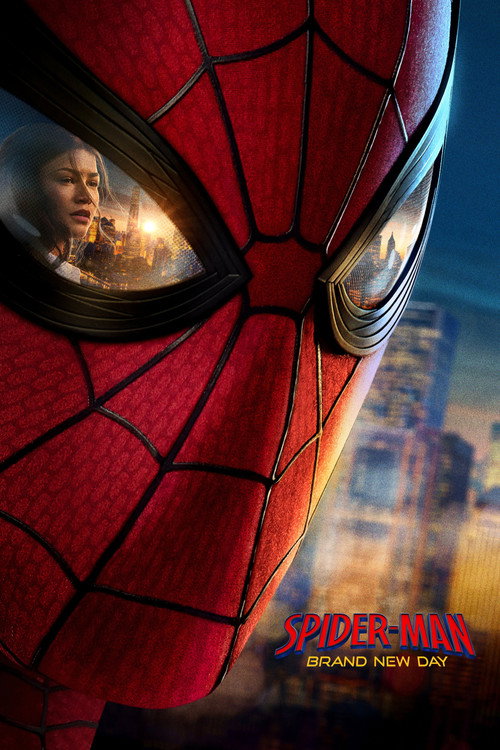
Spider-Man: Brand New Day
2026Posthumous credit for character creation keeps the brand legacy relevant for new audiences.
The Fantastic 4: First Steps
2025Returns the franchise he co-created to the center of the MCU narrative.
Stan — Biography
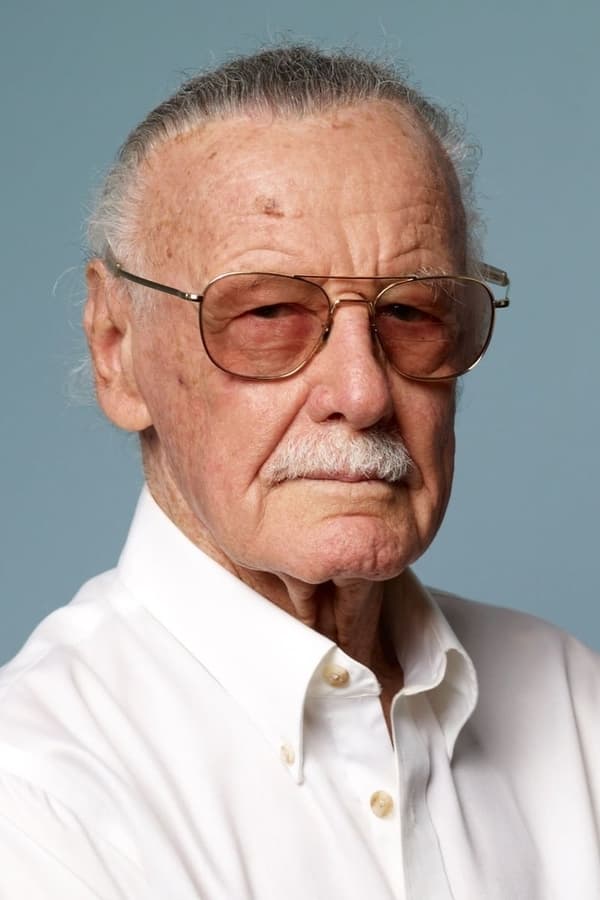
Stan Lee was the primary creative leader at Marvel Comics for two decades. He rose from a small publishing role to become the public face of a global media empire. In the 1960s, he co-created characters like Spider-Man, the X-Men, and the Hulk. These heroes stood out because they had human flaws and real-world problems. This change helped turn Marvel from a small division into a multi-billion dollar corporation. He became famous to new generations through his many cameo appearances in Marvel films. His presence on screen became a signature part of the movie-going experience. Lee was a fixture…
Community Verdict
Seen Stan Lee Live?
Rate the guest experience from 1 to 10. If you leave a comment, it can appear publicly in the User Feedback section.
Scores stay hidden until at least 3 ratings are submitted.
Checking sign-in status...
Career Acts & Milestones
1961–1972
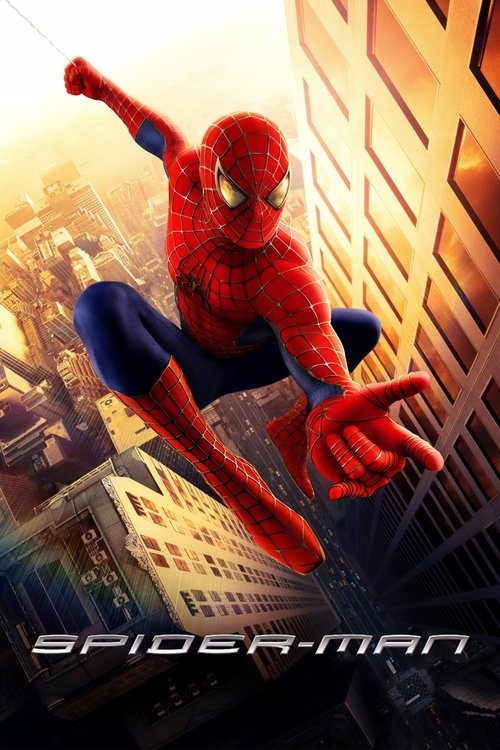
The Marvel Revolution
He revitalizes the industry by introducing human frailty to the superhero genre. He risks the company's stability on unconventional heroes like the Fantastic Four. The period proves that audiences want characters who mirror their own internal struggles.
"I wanted to see what happened to them in their private lives."
1973–1996
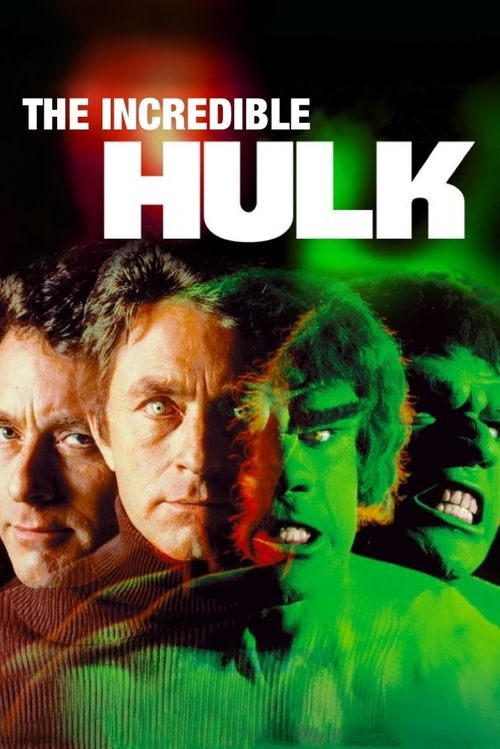
The Global Figurehead
He steps away from daily writing to become the public face of Marvel media. He builds the brand through television projects and high-profile public appearances. This era proves his personality is as much a product as the characters he created.
1997–2018
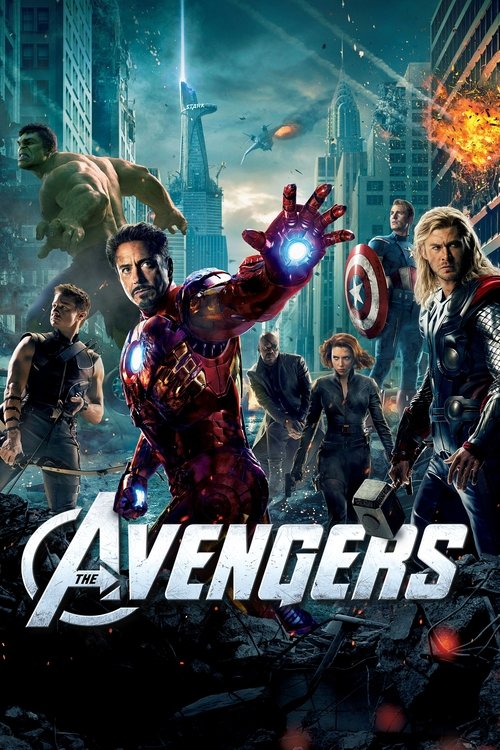
The Cinematic Legacy
He enters a new era as the honorary executive producer of the modern film boom. He solidifies his cultural status through legendary cameos in every major franchise. He proves that the creator's presence is vital for fan authenticity in big-budget adaptations.
Industry Recognition
National Medal of Arts
NEA Recipient
Jack Kirby Hall of Fame
Inductee
Will Eisner Award Hall of Fame
Inductee
Craft & Expertise
Character Archetypes
He pioneered the idea of the flawed superhero with relatable human problems. This approach is visible in the enduring popularity of characters like Peter Parker.
Media Presence
His frequent film cameos turned a writer into a recognizable pop-culture icon. Fans look for him in every Marvel production regardless of the story.
Collaborative Scripting
He developed the 'Marvel Method' which allowed artists more freedom in visual storytelling. This technique accelerated the production of iconic comic titles.
Community Building
He used his editorial columns to speak directly to the fan community. This created a sense of belonging for readers that persists at conventions today.
The Registry
Total Credits
368
Career Span
1966-2027
Peak Decade
2010s
Peak Credits
140 titles
By Decade
By Role
By Genre
Highest rated credit: The Spectacular Spider-Man (2008) — 8.6/10 · Executive Producer
Complete Filmography — Stan

Avengers: Secret Wars
2027
Spider-Man: Brand New Day
2026
Spider-Noir
2026
Avengers: Doomsday
2026
Wonder Man
2026
Thunderbolts*
2025
The Fantastic 4: First Steps
2025
Ironheart
2025
Your Friendly Neighborhood Spider-Man
2025
Captain America: Brave New World
2025
Daredevil: Born Again
2025
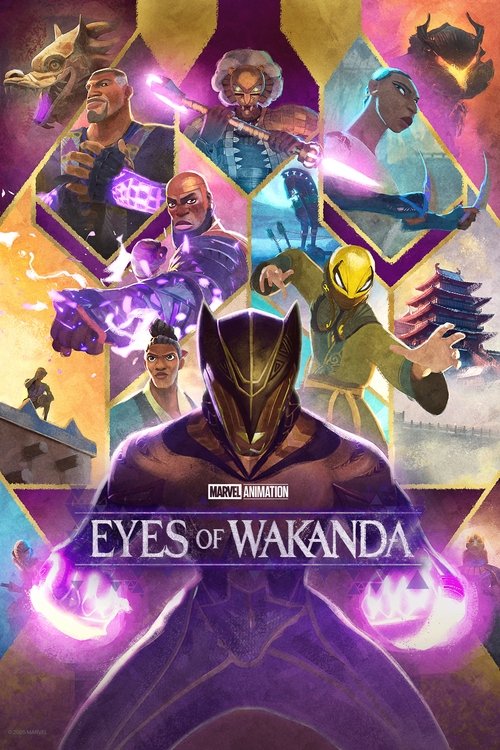
Eyes of Wakanda
2025
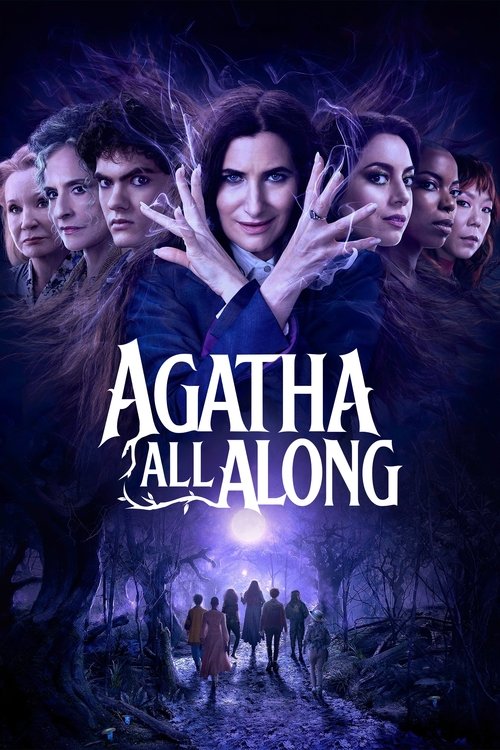
Agatha All Along
2024
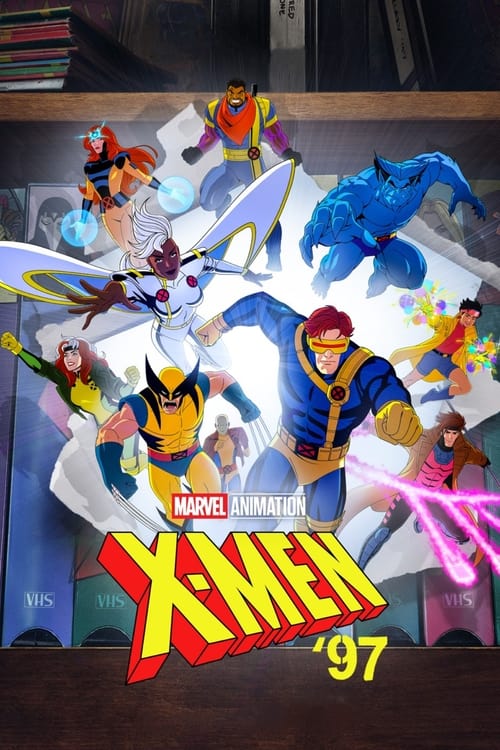
X-Men '97
2024
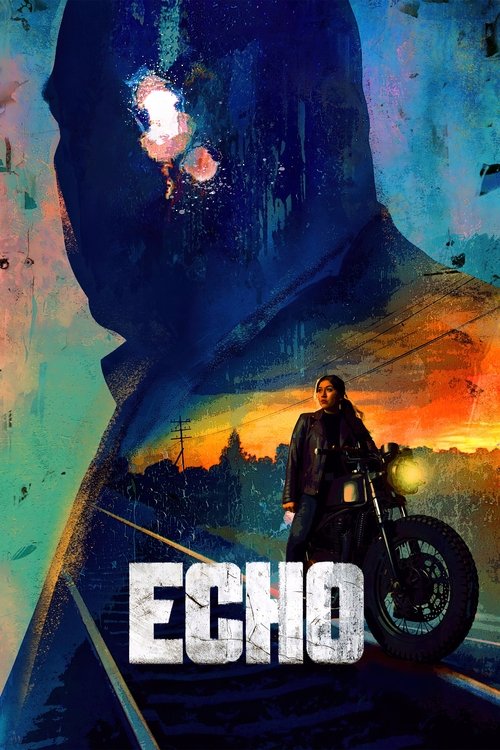
Echo
2024

Kraven the Hunter
2024

Frank Miller: American Genius
2024
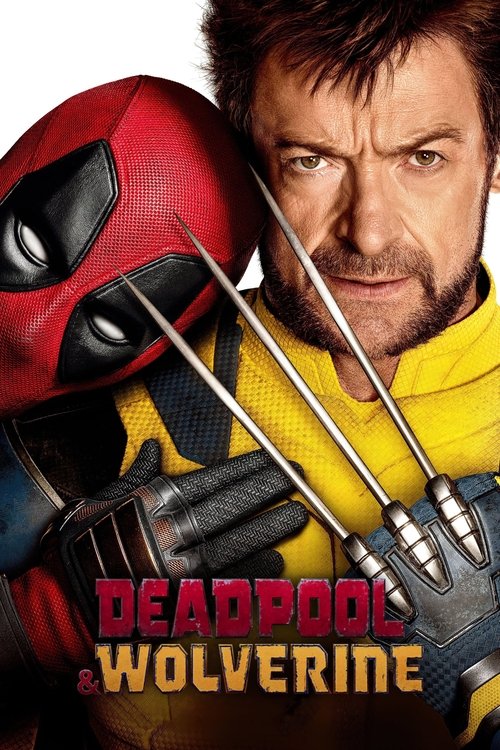
Deadpool & Wolverine
2024
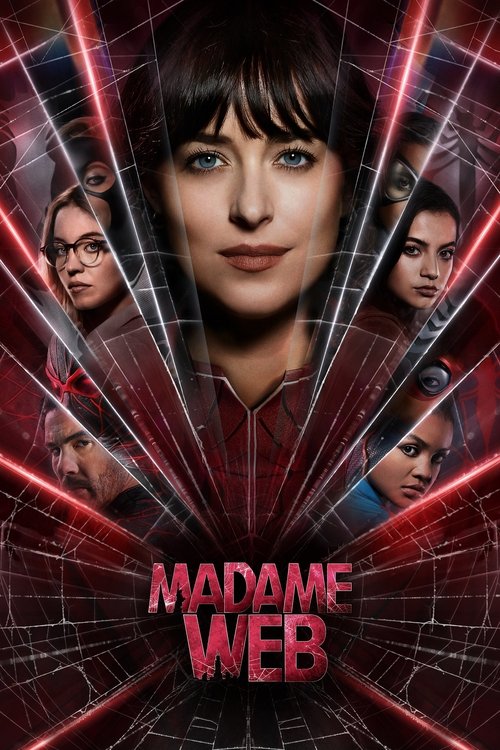
Madame Web
2024
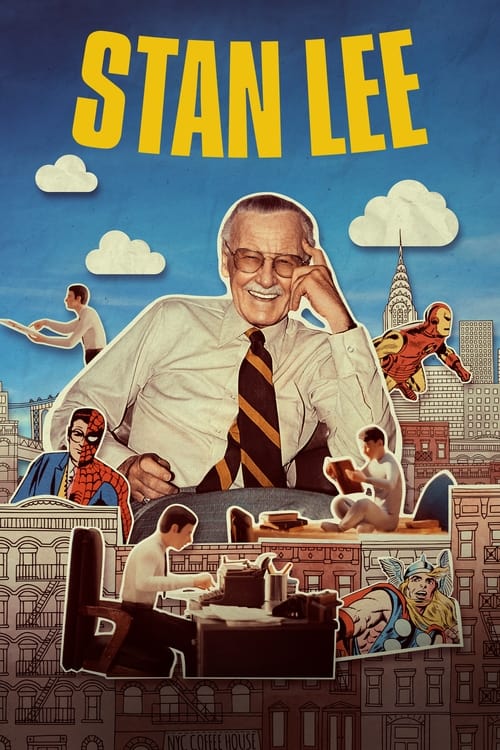
Stan Lee
2023
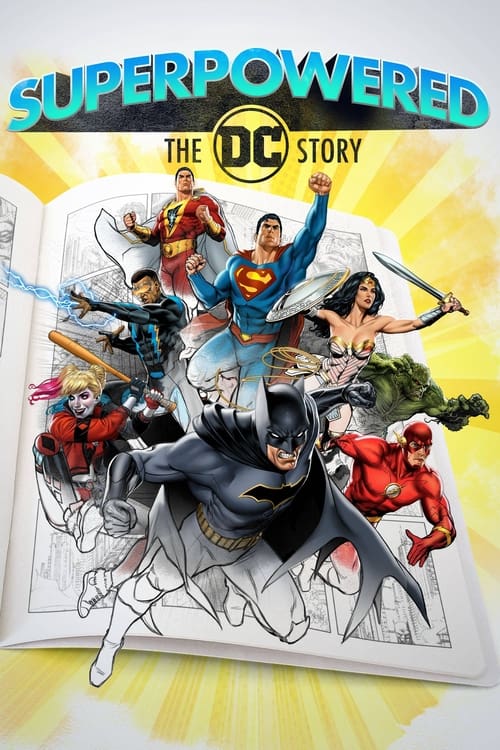
Superpowered: The DC Story
2023
Guardians of the Galaxy Vol. 3
2023

What It Means to Wear the Mask
2023
Ant-Man and the Wasp: Quantumania
2023
Filming Locations
New York City
United States
Productions
Primary career base and setting for his most famous works.
Editorial & Reference
Stan Lee: The Legacy and Career of the Marvel Comics Visionary
Stan Lee's career is a masterclass in turning an editorial role into a personal brand. While his early work focused on the mechanics of the page, his real genius lay in how he curated the relationship with the reader. He did not just write stories. He created a club where every fan felt like an insider. This through-line of inclusion is what turned Marvel from a business into a community.
Experts note that his 'Marvel Method' was not just about speed. It was a way to let visual artists lead the narrative, which created the iconic look of modern myth. He understood that the creator should be visible. By putting his own face and voice in the work, he became the personification of the genre. Even years after his passing, his creative DNA remains the foundation of every high-grossing project in the industry.
Every Marvel film includes a moment where audiences look for a specific face. This tradition persisted for years and became a signature of the movie experience. The man behind those cameos was not just an actor. He was the architect who built the world's most successful story franchise. He began his journey at a small company called Timely Comics. From there, he changed the way people think about heroes. His work moved the genre away from perfect gods. He replaced them with characters who had bills to pay and hearts to break.
The role he played in creating Spider-Man remains his most famous achievement. Peter Parker was a teenager with regular problems. He dealt with school and money while fighting villains. This relatability was new to the world of comics. It resonated with fans who felt like outsiders themselves. Lee also co-created the X-Men. These stories used the struggle of mutants to talk about real-world issues. Fans connected with these themes of identity and acceptance. The impact of these characters is why the fandom is so large today.
Beyond his famous titles, he was a master of the editorial craft. He spent decades as the Editor-in-Chief at Marvel. He created a unique voice for the brand. He talked to readers as if they were his friends. This approach turned a commercial product into a shared community. He also worked on television shows and early film adaptations. Some of these projects were hits and others were not. But he never stopped promoting the potential of comic stories. He proved that these characters could work in any medium. His range as a producer helped bridge the gap between the page and the screen.
The communities that follow his work are diverse and deeply loyal. They show up to conventions in massive numbers. They are there for the heroes he co-created. They also come for the history of the medium. A convention appearance related to his work often draws the biggest crowds. Fans want to celebrate the man who made them feel seen. The live encounter with his legacy is about gratitude. It is a chance for people to share how his stories changed their lives. Promoters see this reflected in the long lines for panels about Marvel history.
There is a specific reason why he matters so much right now. The streaming world is full of his creations. Disney+ has millions of viewers watching the MCU every day. New projects like The Fantastic 4: First Steps (2025) and Avengers: Doomsday (2026) are coming soon. These films use the foundation he built over sixty years ago. His influence is not just a thing of the past. It is the engine that drives the current entertainment market. For a promoter, this means the audience interest is always at a high level.
Fans also connect with his personal commitment to social justice. He used his 'Stan’s Soapbox' column to speak against hate and bigotry. He believed that a story could be fun and also mean something. This philosophy is a huge part of why his work stays relevant. People from all backgrounds find something to love in his characters. He advocated for the idea that anyone could be a hero. This message is a core part of his public identity. It is something fans discuss on panels and in online forums constantly.
Meeting the legacy of this creator in person is a powerful experience. It is a fact that he was the most requested figure at fan events for decades. His energy and positive attitude were famous across the industry. He treated every fan with respect and a sense of fun. This history creates a lasting standard for how talent interacts with their audience. A panel about his career is more than a history lesson. It is a celebration of a man who turned a job into a movement. He left behind a world that is much more colorful because of his imagination.
Frequently Asked
4 questions answered
Related Talent
Matched by Connie across fandoms, genres & era