
Represented By
 Convention All Stars LLCNot yet on Taleventry
Booking Intelligence
The 2025 documentary 'Ozzy: No Escape from Now' is currently driving interest in the Osbourne legacy.
Known For
Herself
The Osbournes
Her refusal to sanitize her family's chaotic life offered fans a sense of permission to be their unpolished selves—fans identify with her resilience as a protector rather than just a performer; this drives a massive rewatch culture for early 2000s reality TV and brings crowds to signings who view her as the 'Matriarch of Metal' who saved their musical idols.
Judge
The X Factor
The directness she brought to the panel made fans trust her as an honest broker in an often artificial industry—fans identify with her willingness to break script to defend her artists; the show’s legacy keeps her at the center of 'Golden Era' talent show discussions and she earns high signing turnout from aspiring performers seeking advice.
Self - Host
The Talk
She represented the voice of common-sense skepticism for a decade of daytime viewers who saw her as the most relatable member of the panel—her fans are fiercely loyal, often forming digital communities to support her during industry controversies; they attend live events to thank her for her advocacy and transparency.
Why Book Sharon Osbourne
Sharon Osbourne brings a combined audience of heavy metal devotees and reality television fans who view her as a cultural icon of the early 2000s. Fans show up in person for her unfiltered storytelling and her status as the definitive 'Rock Matriarch' who navigated the music industry's wildest era. The recent release of the 2025 documentary 'Ozzy: No Escape from Now' and the 2026 anniversary of Ozzfest make her a high-priority booking for promoters looking to capture the rock nostalgia market.
Convention Experience
Fan Engagement
Sharon Osbourne has a reputation for unfiltered storytelling, suggesting an open and engaging fan interaction style.
Recent Work
Untitled Ozzy & Sharon Osbourne Biopic
2026High-profile biopic will trigger a massive press cycle and renew interest in the early days of their relationship and management career.
Sharon — Biography
Sharon Osbourne redefined the celebrity landscape by transitioning from a high-stakes music manager to a global household name. As the architect behind Ozzfest, she revived the heavy metal genre before inviting cameras into her home for the MTV series The Osbournes. This move created the blueprint for modern family reality television and earned her a Primetime Emmy Award. Her career expanded into judging roles on major talent competitions including The X Factor and America's Got Talent. She later spent over a decade as a central voice on the daytime talk show circuit. Today, she continues to…
Community Verdict
Seen Sharon Osbourne Live?
Rate the guest experience from 1 to 10. If you leave a comment, it can appear publicly in the User Feedback section.
Scores stay hidden until at least 3 ratings are submitted.
Checking sign-in status...
Career Acts & Milestones
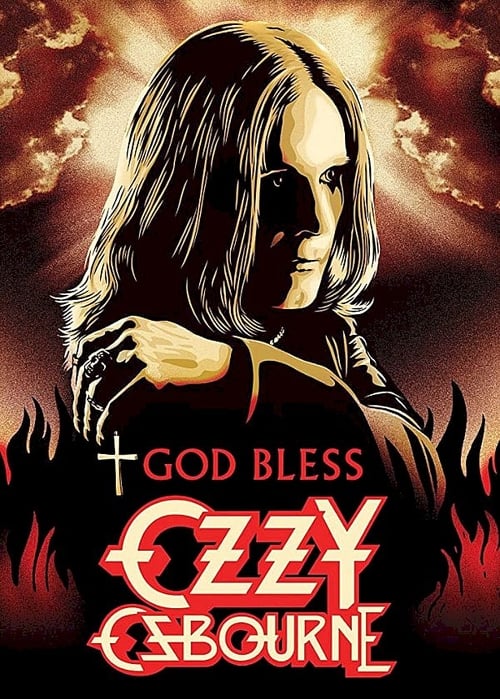
1975–2001
The Architect of Metal
She transitions from working for her father to managing Ozzy Osbourne's solo career during his most volatile years. By founding Ozzfest, she proves that a specialized music community can rival mainstream pop festivals. This era costs her privacy but proves her ability to build a commercial empire from a subculture.
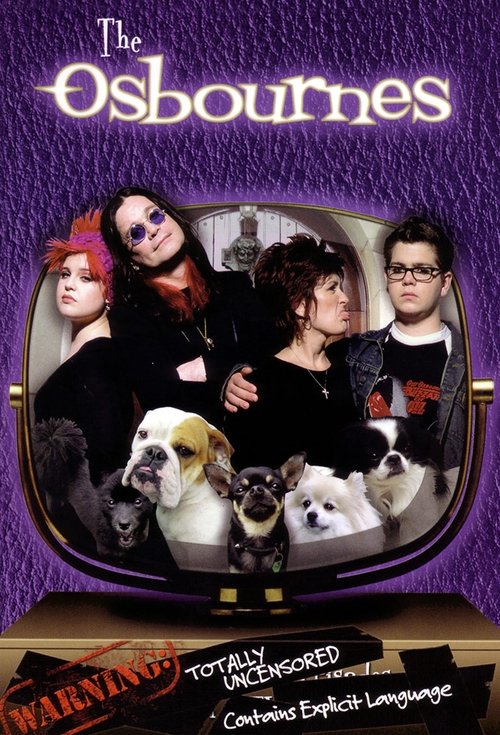
2002–2009
The Reality Pioneer
She risks her family's domestic peace by allowing MTV cameras into their home, creating a cultural phenomenon. This period proves that her personality is a viable commercial product independent of her husband's music. She becomes a sought-after judge for international talent formats, cementing her status as a television authority.
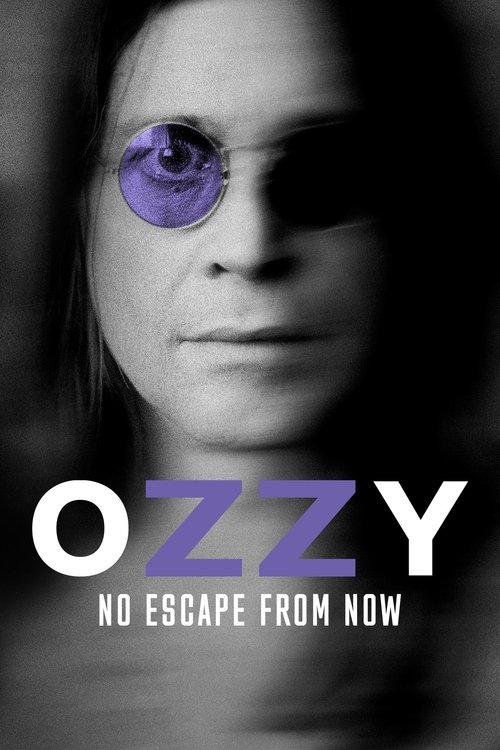
2010–2026
The Unfiltered Matriarch
She moves into daytime talk, using her platform to provide unfiltered social commentary. Despite facing public industry departures, she doubles down on her 'unfiltered' brand by moving to TalkTV and producing retrospective documentaries. This era proves her audience follows her for her voice, not the specific network hosting her.
Industry Recognition
Primetime Emmy Award
Outstanding Reality Program
The Osbournes
Craft & Expertise
Reality TV Architecture
She pioneered the unscripted family sitcom format with The Osbournes. This style focused on domestic realism rather than manufactured drama, changing how networks cast celebrity families.
Brand Resurrection
She engineered the revival of Ozzy Osbourne’s career through the creation of Ozzfest. This festival model proved that niche subcultures could sustain massive commercial touring operations.
Live Judging & Mentorship
Her tenures on The X Factor and America's Got Talent focused on identifying commercial viability in new artists. She became known for defending her acts against industry criticism.
Crisis Management
She navigates high-profile media cycles with a strategy of direct confrontation rather than avoidance. This transparency has built a loyal audience that values her unfiltered commentary.
The Registry
Total Credits
118
Career Span
1977-2025
Peak Decade
2000s
Peak Credits
55 titles
By Decade
By Role
By Genre
Highest rated credit: Lucifer (2020) — 8.4/10
Complete Filmography — Sharon
A poster-free credit ledger. Every title links to its TMDB source while keeping the full registry readable at scan speed.

2020s
24 credits
This product uses the TMDB API but is not endorsed or certified by TMDB.
Notable Locations
Los Angeles
United States
Productions
Primary residence and production hub for major reality work.
London
United Kingdom
Productions
Primary hub for UK television appearances and music management.
Birmingham
United Kingdom
Productions
Subject's cultural roots and location for documentary research.
Las Vegas
United States
Productions
Location for various live rounds and judging segments.
Editorial & Reference
Sharon Osbourne: The Architect of The Osbournes and the Matriarch of Metal
The professional narrative of Sharon Osbourne is often framed through her proximity to rock royalty, but a closer look reveals a masterclass in brand insulation. She operates as a human shield for the Osbourne legacy, consistently absorbing media heat to protect the commercial viability of her family. Her move into reality television was not an act of vanity but a strategic pivot to diversify the family income at a time when the music industry was contracting.
What is often missed is her role as a creative producer who understands the rhythm of domestic life as a sitcom. She recognized early that fans do not want icons; they want to see icons struggle with mundane tasks like pet training and remote controls. This craft detail is why her television work has survived the initial reality boom. She continues to lead with a 'family-first' production philosophy, ensuring that even her 2025 documentary work serves to consolidate the historical record of the Osbourne brand.
The most influential moment in early reality television was not a scripted confrontation but a struggle with a kitchen trash bag. When audiences watched a global rock star and his family navigate the mundane complexities of domestic life, the modern reality genre was born. Sharon Osbourne is a British-American television personality and music manager best known for her role in The Osbournes. This MTV series, which ran from 2002 to 2005, did more than just document a family; it humanized the concept of celebrity for a global audience. Fans who ask whether Sharon Osbourne still attends conventions will find her engaging with crowds who have followed her from the Ozzfest stages to the judging panels of prime-time television.
Sharon Osbourne played herself in The Osbournes in a role that redefined her public image from a behind-the-scenes manager to a front-of-house star. The show was a cultural landmark, becoming one of the highest-rated programs in MTV history and winning a Primetime Emmy for Outstanding Reality Program. Her ability to anchor a family through health crises and public scrutiny while maintaining a sense of humor resonated deeply with viewers. This era established her as a figure of resilience, a quality that continues to draw fans to her live appearances today. Promoters recognize that her appeal is bifurcated: she attracts both the heavy metal traditionalists and the daytime television audience, two demographics that rarely overlap but unite for her.
Beyond the reality cameras, her wider career is a study in industrial survival. Before she was a TV judge, she was the manager who saved the career of her husband, Ozzy Osbourne, by founding Ozzfest in 1996. This festival became a touring powerhouse that defined the heavy metal landscape for over two decades. She has also authored several best-selling books, including her autobiography Extreme, which became a record-breaking success. These ventures prove that her professional range extends far beyond on-screen commentary. Fans of her music management era show up to conventions to hear the unvarnished history of Black Sabbath and the mechanics of the 1990s music industry, subjects she addresses with characteristic bluntness.
The question of what Sharon Osbourne has done since her daytime talk show tenure ended is answered by her continued presence in independent media and documentary film. The fandom paragraph of her career is currently being rewritten by her work on the 2025 documentary Ozzy: No Escape from Now. This project has reintroduced her to a new generation of fans who are discovering the Osbourne legacy through streaming platforms. At conventions, the live encounter with her is often described as an audience with 'The Boss.' She remains a highly accessible guest who understands the value of the fan connection, often spending significant time discussing her advocacy for animal rescue and her own health journey.
Her current projects continue to lean into the retrospective interest in the 1970s and 80s rock scenes. With an upcoming biopic in development for 2026, the demand for her perspective on the 'Golden Age of Rock' has never been higher. This makes her a strategic booking for promoters targeting the nostalgia market. She provides a direct link to a period of music history that is increasingly celebrated, but she does so through the lens of a woman who was often the only female executive in the room. This narrative of professional persistence is a powerful draw for female fans and aspiring industry professionals who attend her panels.
Ultimately, meeting Sharon Osbourne in person offers fans a chance to engage with a survivor of multiple industry shifts. Whether discussing her tenure as a judge on The X Factor from 2004 to 2017 or her decade-long run on The Talk from 2010 to 2021, she remains consistent in her delivery. She does not rely on PR-managed responses; she offers the same candid energy that made her family's reality show a success. For a promoter, booking her is an investment in a personality who can carry a room through storytelling alone. She is not just a witness to rock history; she is one of its primary architects, and her convention presence reflects that authority.
Frequently Asked
6 questions answered