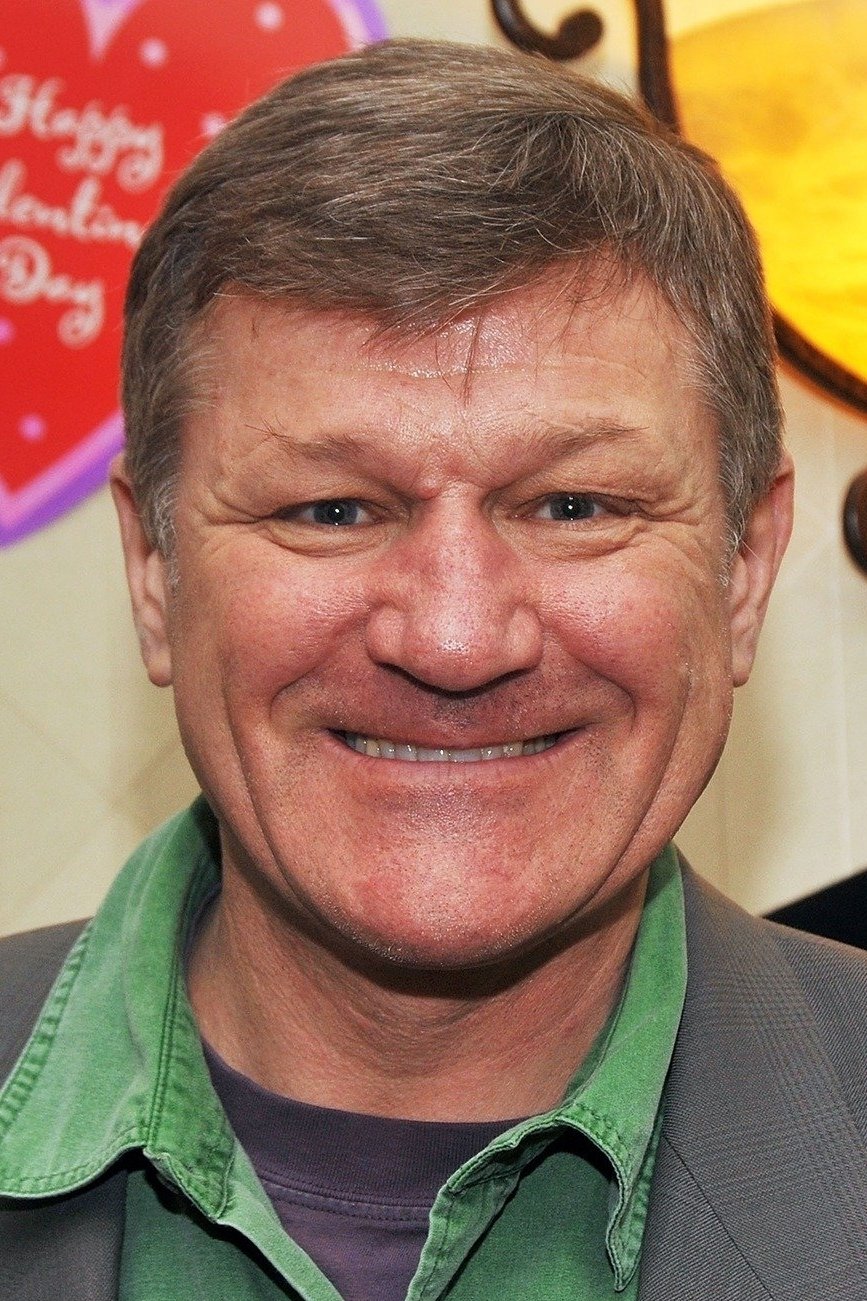
Neil
Affleck
Animator & Horror Character Actor
Current Studio
Nelvana
Primary Discipline
Animation Director & Actor
Region
North America
Status
Norman McLaren Award Winner
Follow
Represented By
 Convention All Stars LLCNot yet on Taleventry
Booking Intelligence
The legacy of his work on The Simpsons (1991-2000) is currently accessible on Disney+, maintaining his relevance to a global animation audience.
Known For
Axel Palmer
My Bloody Valentine
The psychological depth he brought to a masked killer gave fans a rare slasher villain with a tragic history — his performance is why fans still bring vintage gas masks to signings and recreate his scenes in detailed cosplay forty years later.
Director
The Simpsons
His work during the show's peak creative years defines the visual language of modern comedy for millions of fans — his hand in the series' 'Golden Era' is why collectors seek out original production cels for him to autograph at events.
Student
Scanners
His participation in a foundational David Cronenberg film makes him a target for 'body horror' enthusiasts who travel to conventions to complete their cast collections and discuss the practical effects of that specific era.
Why Book Neil Affleck
Neil Affleck draws a dual audience of 1980s slasher devotees and animation collectors who rarely see the creators of their favorite shows in person. Fans seek him out for his unique perspective as a performer in cult classics like My Bloody Valentine and a director on the era-defining seasons of The Simpsons. With the 45th anniversary of My Bloody Valentine arriving in 2026, he is a primary target for horror retrospectives and 'Final Boy' panels.
Convention Experience
No confirmed convention appearances found.
Fan Engagement
Relaxed and candid — horror fans appreciate his straightforward approach and he engages with the cult legacy of My Bloody Valentine without pretension.
Neil — Biography
Neil Affleck is a unique figure who bridges the gap between 1980s cult horror and the most successful animation in television history. He began his career in the visceral world of Canadian cinema, appearing in David Cronenberg's Scanners before taking a lead role in the slasher classic My Bloody Valentine. His performance as Axel Palmer remains a talking point for genre enthusiasts who value the film's psychological depth and iconic imagery. Affleck eventually transitioned into animation, where he spent a decade directing and animating for The Simpsons during its most celebrated years. He als…
Community Verdict
Seen Neil Affleck Live?
Rate the guest experience from 1 to 10. If you leave a comment, it can appear publicly in the User Feedback section.
Scores stay hidden until at least 3 ratings are submitted.
Checking sign-in status...
Career Acts & Milestones
1980–1983
The Slasher Foundation
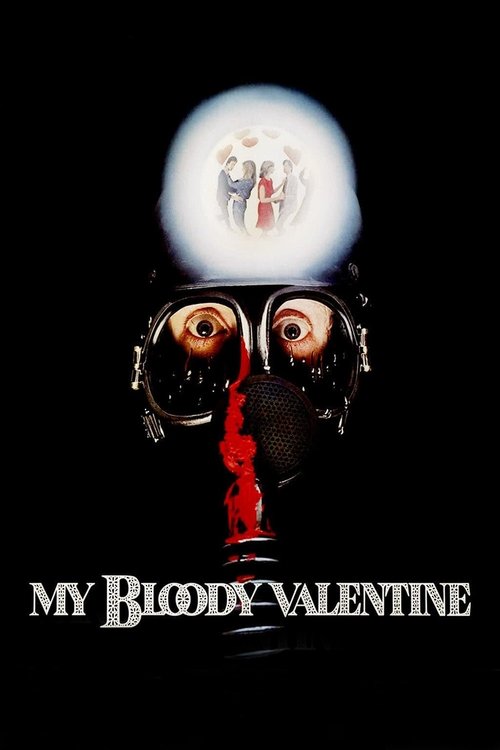
Affleck establishes himself as a fixture of the Canadian horror boom, working with David Cronenberg and taking the lead in My Bloody Valentine. He risks being typecast in genre roles but proves his range by playing characters with significant psychological trauma. This period earns him a permanent place in horror history as a survivor of the 80s slasher wave.
1984–1990
The Animation Transition
He pivots from screen acting to the technical discipline of animation at Nelvana, learning the craft from the ground up. This shift costs him his momentum as a live-action lead but proves his ability to adapt to a completely different medium. He builds the skills that will eventually make him a key figure in the prime-time animation explosion.
1991–2000
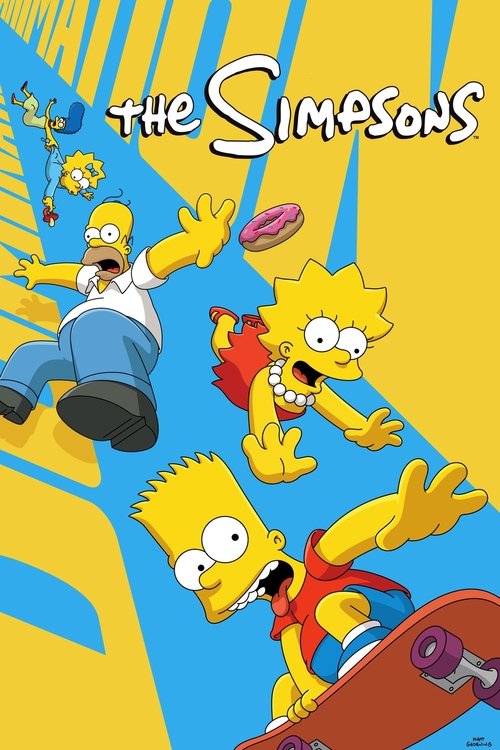
The Golden Age of TV
Affleck moves into the director's chair for The Simpsons, shaping the visual language of the show during its peak creative era. He manages the transition of adult comedy into a global phenomenon, overseeing the timing and character acting that defined the decade. This period solidifies his reputation as a master of visual storytelling and comedic structure.
Industry Recognition
Norman McLaren Award
Animation
Hands
Craft & Expertise
Physical Horror Performance
Affleck utilized stillness and breathing patterns to create tension while wearing a gas mask in My Bloody Valentine. This technique allowed him to convey a specific psychological state without relying on facial expressions.
Character Layout & Direction
He mastered the visual timing of prime-time comedy during his decade-long tenure on The Simpsons. His direction focused on blocking and character acting to maximize the impact of the script's humor.
Traditional Animation Technique
His work on Rocko's Modern Life and The Critic showcases a deep understanding of hand-drawn character movement. He applies these classical principles to ensure fluidity and personality in every frame.
Academic Instruction
Affleck translates decades of industry experience into structured curriculum as a teacher of animation and film. He focuses on the intersection of technical skill and narrative intent for aspiring artists.
The Registry
Total Credits
21
Career Span
1980-2022
Peak Decade
2010s
Peak Credits
11 titles
By Decade
By Role
By Genre
Highest rated credit: The Simpsons (1997) — 8.0/10 · Director
Complete Filmography — Neil
A poster-free credit ledger. Every title links to its TMDB source while keeping the full registry readable at scan speed.

2020s
1 credit
2010s
11 credits
1990s
2 credits
This product uses the TMDB API but is not endorsed or certified by TMDB.
Notable Locations
Montreal
Canada
Productions
Primary location for early career horror and thriller productions.
Sydney Mines
Canada
Productions
The real-world coal mine location for the filming of My Bloody Valentine.
Toronto
Canada
Productions
Major animation hub and home to the Nelvana studios.
Los Angeles
United States
Productions
The production base for his decade of work on American network animation.
Editorial & Reference
Neil Affleck: The Actor Behind Axel in My Bloody Valentine and Director of The Simpsons
Neil Affleck operates at the intersection of two very different types of screen tension. In the early 1980s, he is a vessel for the visceral, claustrophobic dread of Canadian genre cinema. His performance as Axel Palmer is notable for how it uses heavy gear and physical environment to ground the slasher trope in reality. There is a weight to his movement in My Bloody Valentine that many of his contemporaries lacked.
He then applies that same understanding of timing and space to the storyboard. When he moves into directing The Simpsons, he is essentially choreographing a different kind of performance. He understands that a joke lands based on the same principles of framing and anticipation that a jump scare does. His work on Family Guy and The Critic further demonstrates this mastery of the 'beat.' He is a rare example of a talent who has successfully translated the instincts of a live actor into the mathematical precision of high-end animation.
The heavy breathing inside a gas mask creates a specific type of claustrophobia that defined the 1981 film My Bloody Valentine. While many slasher villains of the era were silent and immovable, the character of Axel Palmer required a more nuanced physical performance. Neil Affleck provided that presence, balancing the vulnerability of a young miner with the mounting tension of a town under siege. This role ensured his place in the history of the Canadian horror boom. It also established him as a performer who could convey complex emotions even when his face was partially obscured. Neil Affleck is a Canadian actor and director best known for his role as Axel in My Bloody Valentine and his work on The Simpsons.
Neil Affleck played Axel in My Bloody Valentine (1981), a film that has grown from a cult favorite into a cornerstone of the slasher genre. The movie was filmed in a real coal mine in Nova Scotia, adding a layer of grit that sets it apart from its suburban peers. Fans often discuss the mystery of the plot, which relies heavily on the performances of the core ensemble. Later in his career, he moved behind the scenes to become a key figure in American television. Neil Affleck directed and animated for The Simpsons from 1991 to 2000 on the Fox network. This period is widely regarded as the series' 'Golden Era.' His work helped define the visual timing and character beats that made the show a global phenomenon.
Before he was a director, Neil Affleck appeared in David Cronenberg’s Scanners (1981) as a student, placing him at the center of another major cultural moment in genre cinema. His acting credits also include the thriller Visiting Hours (1982) and the drama Will There Really Be a Morning? (1983). When he moved into animation, his range expanded significantly. He directed five episodes of The Critic and worked on Family Guy during its early seasons. His versatility is further proven by his work on children's programming like Miss Spider's Sunny Patch Friends and Mike the Knight. He also won the Norman McLaren award for his independent animated film titled Hands.
The fandom for Neil Affleck is split between two very dedicated groups. Horror enthusiasts view him as a 'Final Boy' or a key survivor of the 80s slasher wave. These fans show up to conventions with vintage memorabilia and limited-edition Blu-ray covers for him to sign. They often ask about the practical effects and the physical challenges of filming in a mine. On the other side are animation collectors and historians. These fans are interested in the technical craft of the show and the evolution of the characters during the 1990s. Fans who ask whether Neil Affleck still attends conventions will find he is a rare but highly valued guest for panels on animation history.
Today, Neil Affleck is largely focused on passing his knowledge to the next generation of artists. He works as a teacher, bringing his experience from Nelvana and major US studios into the classroom. His musical work as a folk singer and songwriter provides another avenue for his storytelling, though he remains most recognized for his contributions to screen history. The question of what Neil Affleck has done since The Simpsons ended is answered by his commitment to independent animation and education. The Simpsons remains a fixture on Disney+, ensuring that his directorial work is viewed by millions of new fans every day. Similarly, the 2009 remake of My Bloody Valentine led many younger viewers back to the 1981 original, sparking a renewed interest in his performance as Axel.
His dedication to the craft of animation is grounded in a deep respect for the medium’s history. Winning the Norman McLaren award is a significant achievement, as it is named after one of Canada's most influential experimental filmmakers. This recognition suggests that he views animation not just as a job, but as an art form with endless possibilities for innovation. This same discipline is what he brought to his live-action roles, where he treated genre material with a seriousness that fans still appreciate decades later. His ability to move between the visceral world of horror and the structured world of network television is a testament to his technical skill.
A live encounter with Neil Affleck offers a rare bridge between the visceral era of practical horror and the digital age of television. He provides a first-hand account of how the industry changed between the early 1980s and the turn of the millennium. For a promoter, his appeal lies in his ability to anchor a horror panel just as easily as an animation workshop. He represents a specific period of creative explosion in both Canadian and American media. Fans walk away from his table with more than just a signature; they get a connection to the people who built the worlds they grew up watching. His presence at a convention provides an educational and nostalgic experience that appeals to a wide demographic of genre and comedy fans.
Frequently Asked
6 questions answered