
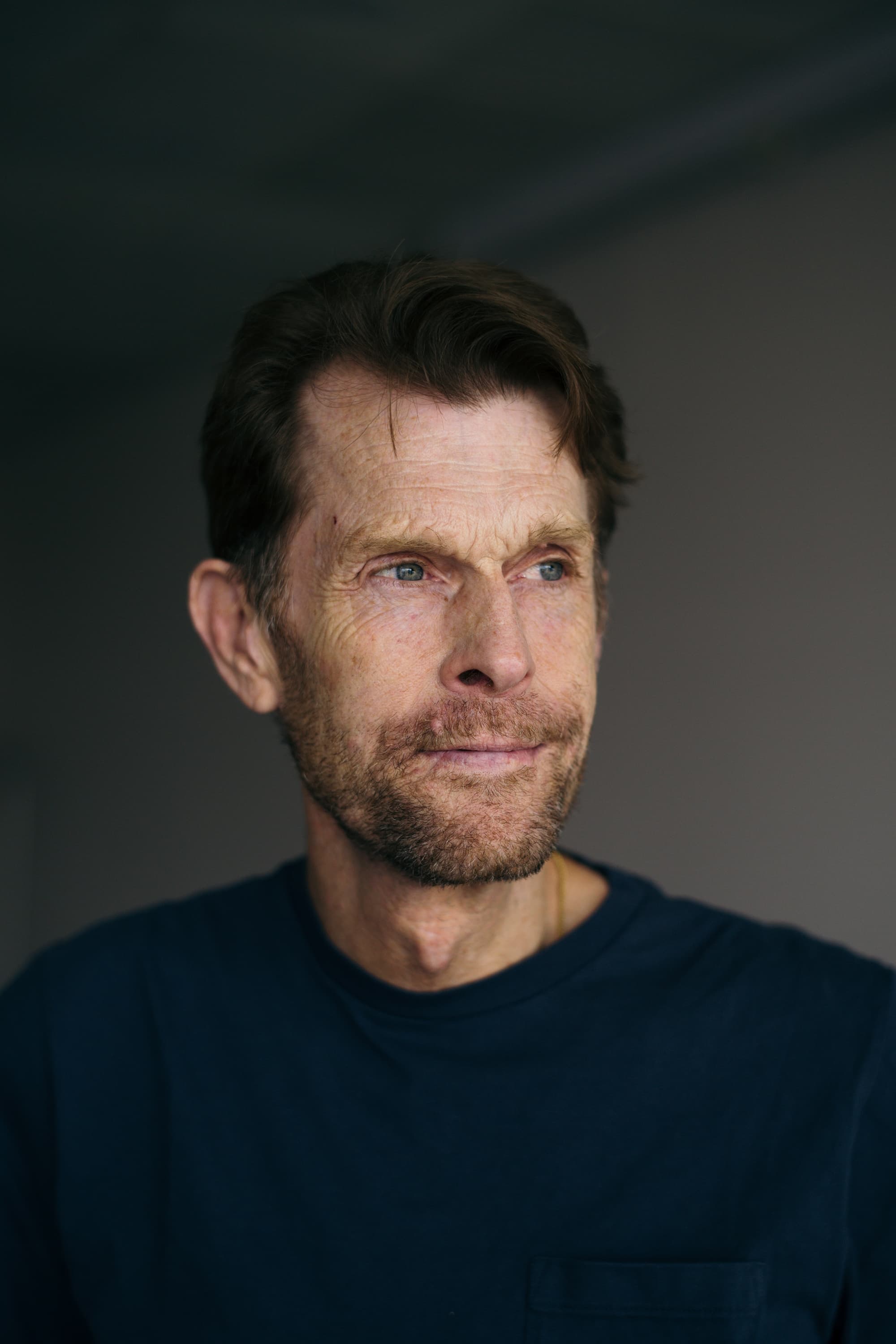
This talent's management hasn't yet listed on Taleventry. Register your agency to claim this profile.
Booking Intelligence
Max (formerly HBO Max) currently hosts the remastered Batman: The Animated Series, sustaining his status as the primary entry point for new DC fans.
Known For
Batman / Bruce Wayne
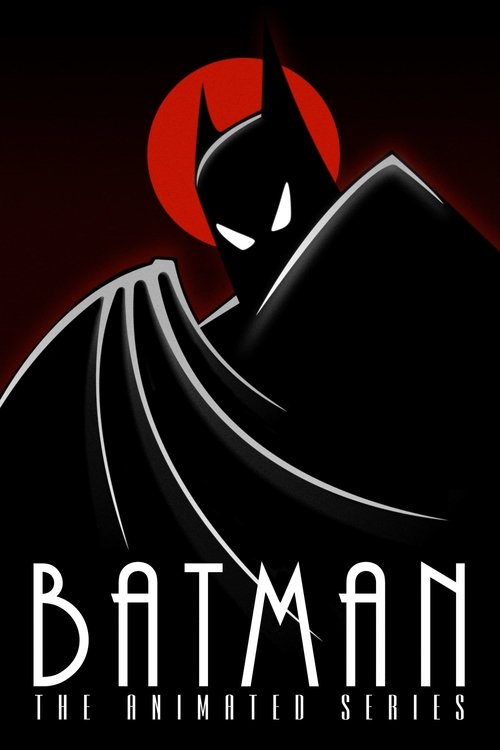
Batman: The Animated Series
He gave the character a sense of tragic empathy that made the audience care about the man behind the mask. Fans identify with his version of Bruce as a moral compass. The community maintains active rewatch groups and high-end cosplay based on his specific series design. At events, fans seek the emotional connection of hearing the voice that defined their childhood heroism.
Batman
Batman: Arkham Franchise
His performance allowed gamers to feel they were truly inhabiting the character across an immersive, dark narrative. Fans identify with the grit and endurance he brought to the interactive role. This fandom produces massive amounts of digital fan art and gameplay tributes. Signings often focus on game physical copies, representing a modern generation's primary connection to the mythos.
Why Book Kevin Conroy
The Batman fandom remains the most consistent draw in the convention circuit with multi-generational appeal across animation and gaming. Fans show up to honor the man who provided the moral voice of their youth through retrospective panels and estate-authorized signings. The 2025 release of Devil May Cry features his final recorded performance, creating a significant current surge in legacy interest.
Advocacy
Convention Experience
Fan Engagement
He was widely celebrated for his warmth and the time he spent sharing personal stories with fans during signing sessions.
Recent Work
Devil May Cry
2025Posthumous release of his final voice work, drawing interest from the gaming and anime crossover audience.
Kevin — Biography
Before he became the voice of a generation, this Juilliard-trained actor established himself through high-stakes television drama and soap operas. His background in stage and screen performance allowed him to bring a unique theatrical weight to his voice work. This disciplined approach transformed what could have been a standard cartoon role into a definitive cultural icon. He is best known for portraying the dual roles of Bruce Wayne and Batman for over thirty years. His work spans the 1990s animated series, the Arkham video game franchise, and live-action appearances. Even with his passing…
Community Verdict
Seen Kevin Conroy Live?
Rate the guest experience from 1 to 10. If you leave a comment, it can appear publicly in the User Feedback section.
Scores stay hidden until at least 3 ratings are submitted.
Checking sign-in status...
Career Acts & Milestones

1978–1991
The Dramatic Foundation
He builds a career in high-profile television dramas and soaps like Dynasty and Another World. He is risking being typecast as a traditional leading man while honing his vocal discipline. These roles prove his ability to handle complex, long-running character arcs in serialized formats.
"I was doing a lot of stage work and television in New York."
1992–2006
The Dark Knight Era
Taking a voice role was a pivot that redefined his career and the industry. He risks his live-action momentum for an animated series that becomes a global benchmark. The period costs him anonymity but proves that a voice can define a character more than a face.
"I didn't know anything about the Batman lore when I started."

2009–2025
The Interactive Legacy
He expands the role into the gaming world with the Arkham series, reaching a new demographic. He maintains the character's integrity across evolving mediums even as his health declines. This era proves his performance is the essential connective tissue for the entire DC brand.
Industry Recognition
BTVA Voice Acting Award
Best Vocal Ensemble in a Video Game
Batman: Arkham City
Craft & Expertise
Vocal Duality
He pioneered the distinct vocal separation between Bruce Wayne and Batman. This technique added a layer of psychological depth that redefined how the character was performed across all media.
Dramatic Gravitas
He applied classical theatrical training to genre animation roles. This elevated the medium and attracted a mature audience to Batman: The Animated Series in the 1990s.
Gaming Integration
His work in the Batman: Arkham series bridged the gap between television fans and modern gamers. He maintained character consistency across hundreds of hours of interactive dialogue.
Legacy Mentorship
Through Batman Beyond, he successfully transitioned the character into a mentor role. He proved the character's longevity by playing an aging Bruce Wayne with equal resonance.
The Registry
Total Credits
92
Career Span
1951-2025
Peak Decade
2010s
Peak Credits
35 titles
By Decade
By Role
By Genre
Highest rated credit: Batman: The Animated Series (1992) — 8.6/10
Complete Filmography — Kevin
A poster-free credit ledger. Every title links to its TMDB source while keeping the full registry readable at scan speed.

2020s
6 credits
2010s
18 credits
This product uses the TMDB API but is not endorsed or certified by TMDB.
Notable Locations
Los Angeles
United States
Productions
Primary hub for animation recording and television production.
New York City
United States
Productions
Location for his early soap opera and stage career.
Vancouver
Canada
Productions
Filming site for his live-action appearance in the Arrowverse.
Editorial & Reference
Kevin Conroy: The Voice of Batman and the Legacy of the Dark Knight
He approaches the recording booth with the stillness of a stage actor waiting for a cue. While his peers often lean into the kinetic energy of animation, his performance as Batman relies on a grounded, almost heavy silence. This choice anchors the fantastical elements of Gotham in a believable reality. It is a masterclass in vocal economy where every word carries the weight of a physical blow.
His transition from daytime television to the voice booth was not a retreat but a refinement of his craft. Promoters often see the 'Batman' credit and assume a generic genre appeal. They miss the Juilliard-trained discipline that made him a favorite among professional animators and directors. He does not just provide a voice; he provides a psychological architecture for the character that other actors have spent decades trying to replicate.
The voice did not growl; it resonated with a bass-heavy authority that defined the moral center of Gotham for three generations. When the first episode of Batman: The Animated Series aired in 1992, the audience heard a Bruce Wayne that sounded distinct from the Batman. This vocal duality became the blueprint for all future interpretations of the character. Kevin Conroy played Batman in the animated series from 1992 to 1995 on the Fox Kids network. He would go on to voice the character for thirty years across films, spin-offs, and blockbuster video games. This longevity created a unique bond where fans grew up with him as their primary version of the hero.
Kevin Conroy is an American actor best known for his role as Batman in the DC Animated Universe. His career began far from the recording booth in the world of daytime television and stage performance. He played Bart Fallmont in Dynasty during the 1980s and had a recurring role in Search for Tomorrow. Most fans who know his work as a superhero are surprised by his extensive background in soap operas and classical theater. This training is what allowed him to bring such dramatic weight to a half-hour animated show. He treated the script for a cartoon with the same reverence he gave to Shakespeare, which is why the work still holds up for adult viewers today.
The fandom surrounding Kevin Conroy is one of the most dedicated in the genre space. This community bridges the gap between 90s nostalgia seekers and modern gamers who spent hundreds of hours with him in the Arkham Asylum series. Convention crowds for his appearances often featured three generations of families. They show up because his voice represents a specific kind of integrity and comfort. For many, he was the person who taught them about justice and empathy. Fans who ask whether his work is still relevant will find that the remastered versions of his shows are consistently top performers on streaming platforms like Max.
His convention presence was a factual account of fan service. He was known for staying late at booths to ensure every person in a three-hour queue had a moment of genuine connection. The question of what Kevin Conroy has done since his most famous show ended is answered by his massive contributions to the Batman: Arkham video games. These games introduced his voice to a younger demographic that had never seen the original 1992 series. This cross-pollination of audiences ensures that he remains a headlining figure for any retrospective event or legacy panel. Promoters see a surge in interest whenever a new project featuring his voice is announced, even posthumously.
His final year included a highly publicized live-action appearance as Bruce Wayne in the Batwoman television series in 2019. This was a rare moment for fans to see the man behind the voice inhabit the character physically. It solidified his place as the only actor to play the role across every major entertainment medium. Currently, projects like the 2024 Justice League: Crisis on Infinite Earths and the 2025 Devil May Cry series provide the latest chapters in his professional story. These releases serve as a factual reminder of his enduring work ethic and the high demand for his specific vocal quality.
Meeting the legacy of this performer at a convention is about more than just an autograph. It is an acknowledgment of a craft that changed an entire industry. He moved voice acting from a secondary pursuit to a headline discipline. His reputation for kindness during live encounters is a verified part of his legacy, with fans frequently sharing stories of his encouragement and warmth. For a promoter, booking a tribute or legacy event centered on his work offers a guaranteed draw for a diverse, loyal audience that spans four decades of entertainment history.
Frequently Asked
6 questions answered