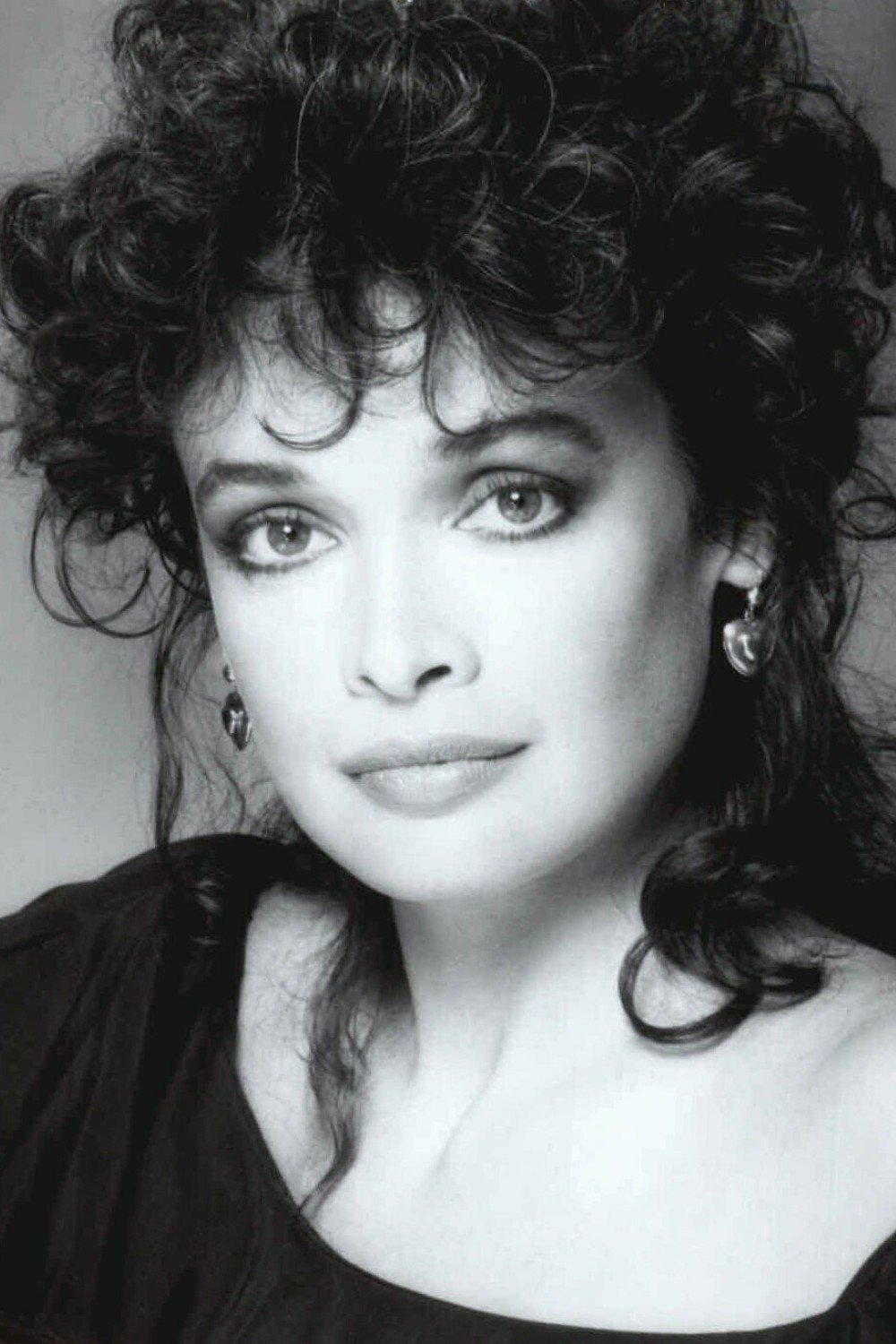
Janus
Blythe
Survival Horror Authority & Legacy Genre Craft
Current Studio
Public Access Cable (Los Angeles)
Primary Discipline
Actor
Region
North America
Status
Foundational Scream Queen & Horror Historian
Follow
Represented By
 Level Up EntertainmentNot yet on Taleventry
Booking Intelligence
The Hills Have Eyes (1977) is currently streaming on several genre-focused platforms, maintaining her visibility among younger horror fans.
Known For
Ruby
The Hills Have Eyes
The internal conflict of a girl caught between two families allows fans to see her as a survivor rather than a victim, driving a decades-long cosplay tradition and deep personal identification with her performance.
Nell Winters
The Incredible Melting Man
Her reaction to the practical effects of the era anchors the film's cult appeal, drawing fans who value the tactile history of pre-digital horror cinema.
Why Book Janus Blythe
Janus Blythe is a cornerstone of the 1970s horror renaissance with a direct connection to the legacies of Wes Craven and Tobe Hooper. Fans show up to meet a foundational Scream Queen who actively engages with the complicated history of cult cinema. Her 2026 role in Mockingbird Lane provides a timely bridge between her classic work and modern television audiences.
Advocacy
Convention Experience
Fan Engagement
Convention reports consistently describe her as personable and eager to discuss the technical details of her 1970s film sets.
Recent Work
Mockingbird Lane
2026This project represents her first major television role in years and will likely spark a renewed press cycle for her legacy horror work.
Janus — Biography
Before becoming a defining figure in 1970s survival horror, Janus Blythe established her career through collaborations with influential directors like Brian De Palma and Tobe Hooper. She is most recognized for her portrayal of Ruby in the 1977 horror classic The Hills Have Eyes. Her performance as the rebellious desert dweller provided a moral center to one of the most intense films of the era. This role secured her status as a foundational Scream Queen within the genre community. Her career continued through the 1980s with appearances in cult titles and direct sequels, including the 1985 ret…
Community Verdict
Seen Janus Blythe Live?
Rate the guest experience from 1 to 10. If you leave a comment, it can appear publicly in the User Feedback section.
Scores stay hidden until at least 3 ratings are submitted.
Checking sign-in status...
Career Acts & Milestones

1974–1976
The Grindhouse Emergence
She establishes herself within the independent exploitation circuit by working with rising auteurs. These roles required navigating low-budget environments while maintaining a commanding screen presence. She proved that small roles in genre films could lead to lasting cult recognition.
1977–1985
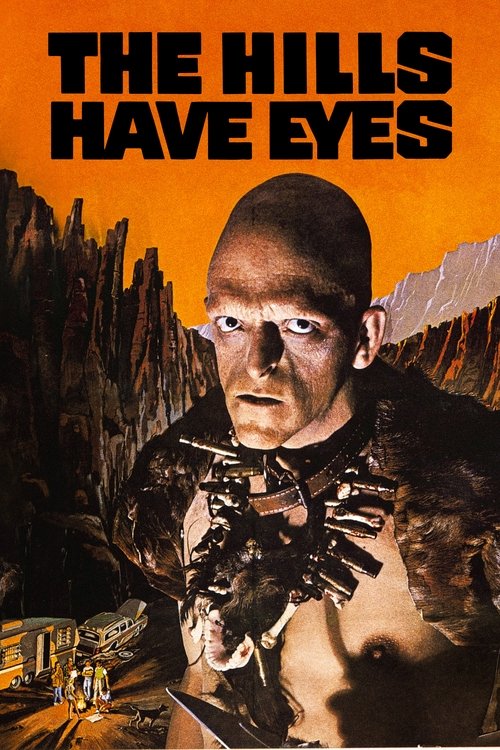
The Desert Watershed
By demanding the role of the feral Ruby, she risks conventional beauty status for a character of depth. This period proves her instinct for identifying roles with long-term fandom potential. It costs her mainstream leading lady opportunities but builds a permanent legacy in horror history.
2003–2026
The Archive Resurgence
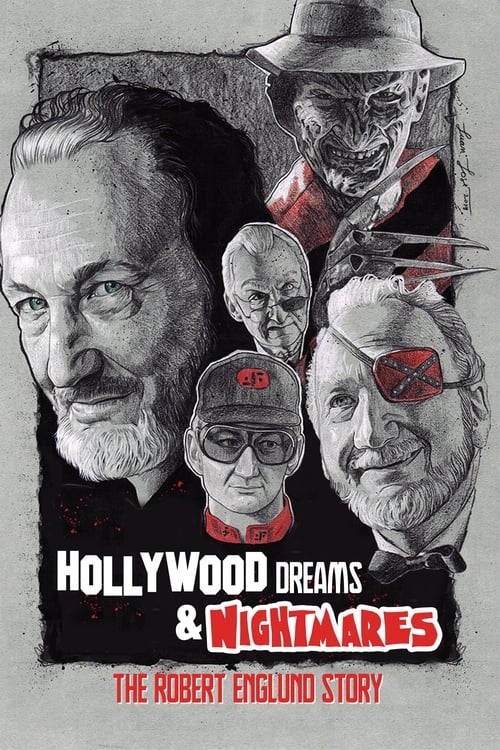
She transitions from active performer to an elder stateswoman of the genre through documentary work. She leverages her historical importance to remain a fixture in the convention community. The move proves that a single iconic role can sustain a career through multiple eras.
Craft & Expertise
Survival Horror Technique
She specialized in physically demanding roles that required high levels of environmental intensity. Her performance in The Hills Have Eyes set the standard for feral character archetypes.
Cult Film Presence
She maintained a consistent presence in independent genre cinema across three decades. Her work with Tobe Hooper and Wes Craven anchors her within the 1970s horror renaissance.
Genre History Commentary
She provides expert analysis on the evolution of female roles in horror cinema. Her contributions to documentaries like The Robert Englund Story offer high archival value.
Physical Transformation
She utilized costuming and movement to differentiate her characters from traditional leading ladies. This approach allowed her to play both victims and predators with equal conviction.
The Registry
Total Credits
20
Career Span
1974-2022
Peak Decade
1970s
Peak Credits
11 titles
By Decade
By Role
By Genre
Highest rated credit: Phantom of the Paradise (1974) — 7.5/10
Complete Filmography — Janus
Hollywood Dreams & Nightmares: The Robert Englund Story
2022
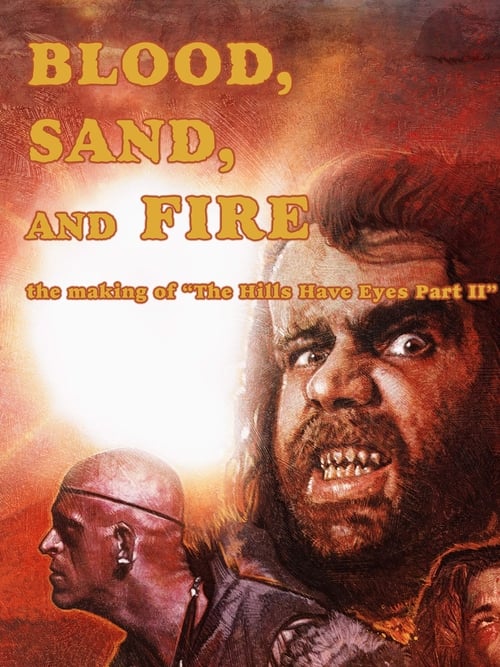
Blood, Sand, and Fire: The Making of The Hills Have Eyes Part II
2019
Video Nasties: Moral Panic, Censorship & Videotape
2010
Looking Back at 'The Hills Have Eyes'
2003
Invasion of the Scream Queens
1992

Soldier's Fortune
1991
Spine
1986
The Hills Have Eyes Part 2
1985
Marilyn: The Untold Story
1980

Zuma Beach
1978
The Hills Have Eyes
1977
The Incredible Melting Man
1977
Black Oak Conspiracy
1977
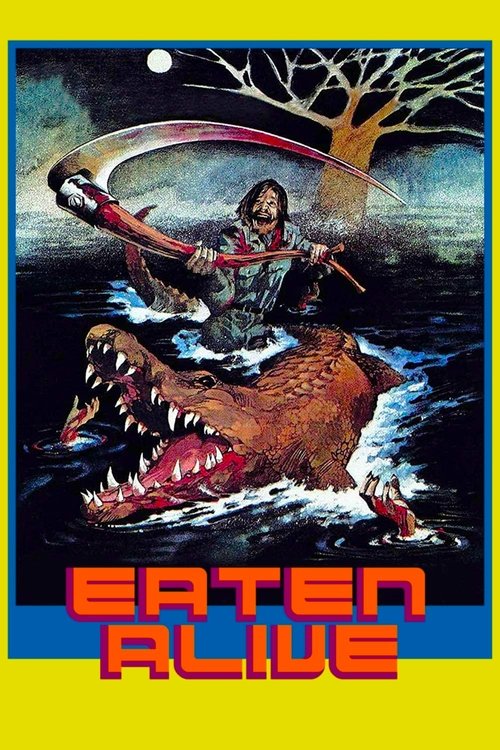
Eaten Alive
1976

Drive-In Massacre
1976
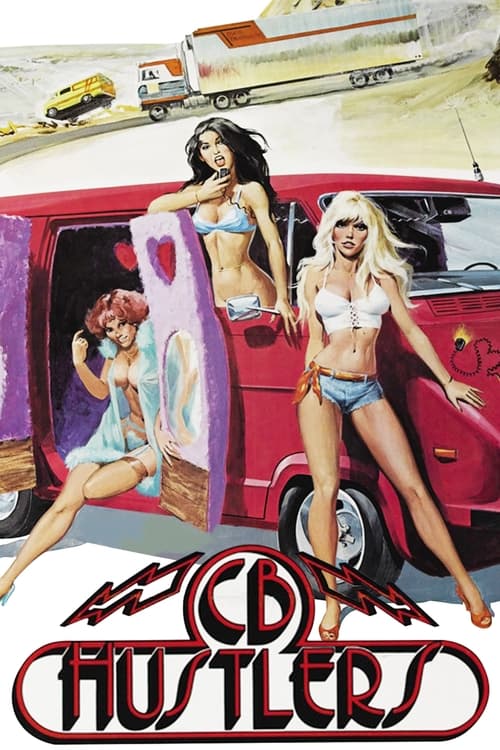
C.B. Hustlers
1976
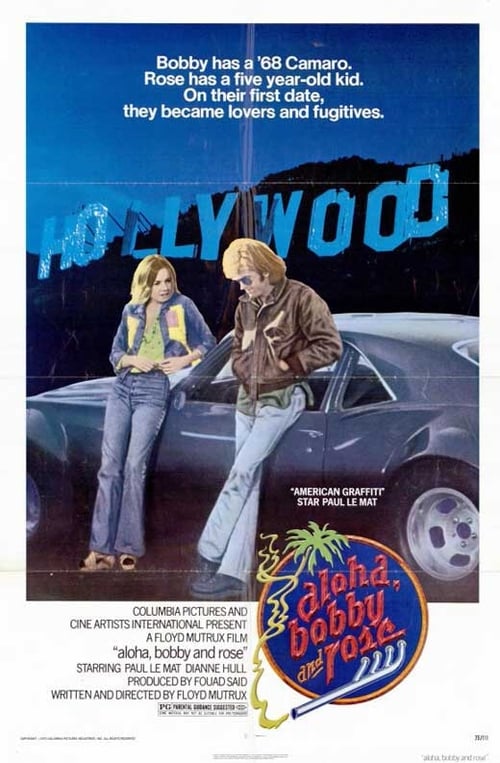
Aloha Bobby and Rose
1975
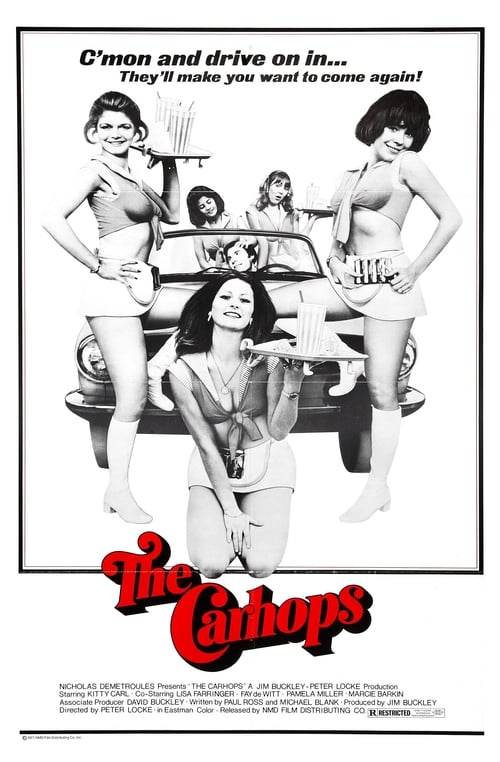
Kitty Can't Help It
1975
Phantom of the Paradise
1974
The Centerfold Girls
1974
Notable Locations
Victorville
United States
Productions
Primary desert filming location for the 1977 Wes Craven classic
Los Angeles
United States
Productions
Primary production base for her mid-70s indie work
Houston
United States
Productions
Production hub for her collaboration with Tobe Hooper
San Antonio
United States
Productions
Filming and promotion base for 2026 television project
Editorial & Reference
Janus Blythe: Ruby in The Hills Have Eyes and Horror Legacy
Janus Blythe understands the economy of the genre better than most of her contemporaries. While other actors of the 1970s horror boom sought to distance themselves from their 'scream queen' labels, Blythe leaned into the specificity of her craft. She recognized that the character of Ruby in The Hills Have Eyes offered a complexity rarely seen in survival horror. She plays the character with a mix of feral desperation and emerging empathy that grounds the film's violence. This tactical choice in 1977 created a character that fans still discuss nearly fifty years later.
Her modern utility for a promoter lies in her reliability as a bridge between eras. She is not just a name on a poster; she is a primary source for the history of independent cinema. Her recent participation in the Robert Englund documentary demonstrates her continued relevance in the genre discourse. She presents as a professional who understands that her value is tied to her willingness to engage with the mythology of her most famous roles. This makes her an ideal booking for panels focused on the history of Wes Craven or the evolution of the horror genre.
Desert survival horror changed forever when a teenage girl in animal skins chose to betray her own family. Janus Blythe is an American actor best known for playing Ruby in the 1977 horror film The Hills Have Eyes. Her performance in this Wes Craven classic did more than just provide scares; it offered a complex portrayal of a young woman caught between feral upbringing and a desire for civilization. This role made Janus Blythe a central figure in the golden age of American horror. The original film ran in theaters during a period of massive genre innovation and remains a staple of home video and streaming collections today. Fans of the franchise recognize her as the moral compass of the story, a character who risks everything to save an innocent child. This specific emotional hook is why her presence at conventions continues to draw significant crowds decades after the film's release.
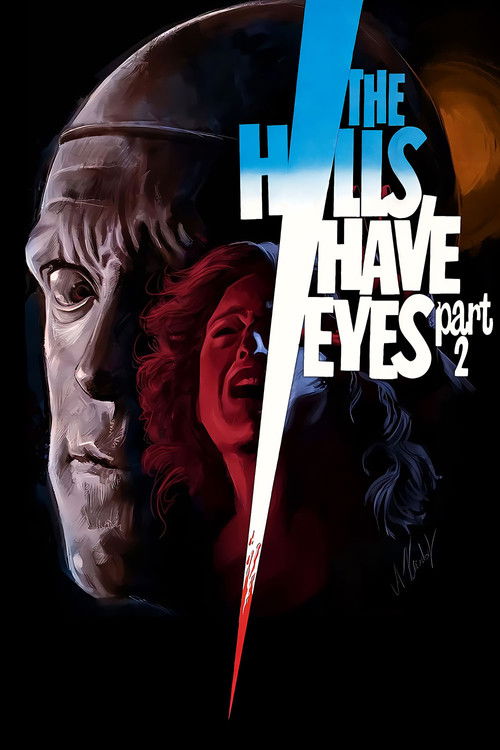
Janus Blythe played Ruby in The Hills Have Eyes in 1977 and later reprised the role in the 1985 sequel. These films were part of a larger movement in independent cinema that focused on visceral realism and societal collapse. Before she was navigating the Nevada desert on screen, she worked with other major directors who would go on to shape the industry. In 1974, Janus Blythe appeared in Phantom of the Paradise, directed by Brian De Palma. This early exposure to high-concept filmmaking helped her develop a screen presence that could stand up to intense, stylized directing. She followed this with a role in Tobe Hooper's Eaten Alive in 1976. By working with both Craven and Hooper, she became one of the few actors to collaborate with the primary architects of the 1970s horror boom. These credits are not just lines on a resume; they are the foundation of her identity as a Scream Queen who survived the era's most grueling productions.
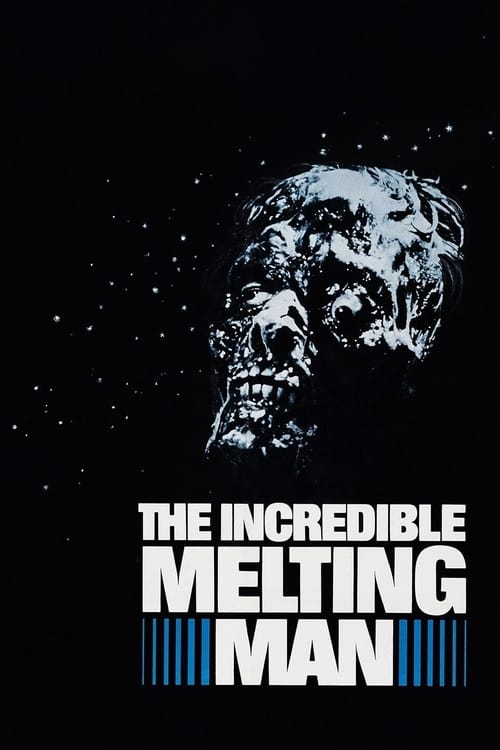
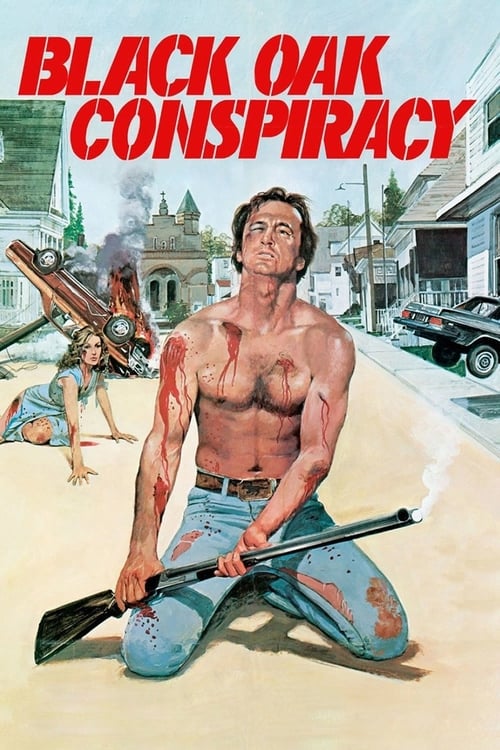
The wider career of Janus Blythe includes a variety of roles that many casual fans might miss. She appeared in The Incredible Melting Man in 1977, a film that has gained a massive cult following for its practical makeup effects. Her ability to ground unusual stories with a realistic performance made her a favorite among independent producers. Throughout the 1980s, she worked in titles like Spine and Black Oak Conspiracy, maintaining her status as a reliable professional in the genre space. Many fans who ask what Janus Blythe has done since her early horror work will discover her transition into television and hosting. She hosted her own talk show on Los Angeles public access cable, showing a side of her personality that is far removed from her feral characters. This range proves that she is more than just a genre specialist; she is a performer who understands how to communicate with an audience in various formats.
Convention promoters find that Janus Blythe appeals to a very specific and dedicated demographic. The horror community genuinely claims her as a pioneer of the survival genre. At events like ScareFest and CK Expo, her autograph lines are filled with collectors who value her connection to the 'big three' of horror directing. The live encounter with Janus Blythe is often described as a masterclass in film history. She is known for sharing detailed anecdotes about working on the set of The Hills Have Eyes in extreme conditions. Fans travel to meet her because she represents the era of practical effects and dangerous filmmaking that no longer exists in the modern studio system. This sense of historical value makes her an ideal guest for panels focused on the legacy of Wes Craven or the evolution of women in horror. Her reputation for being accessible and personable ensures that the fan experience is consistently positive.
Currently, Janus Blythe is experiencing a new wave of interest due to her involvement in high-profile genre documentaries. She appeared in the 2022 project Hollywood Dreams & Nightmares: The Robert Englund Story, providing critical context for the industry's history. This appearance has introduced her to younger fans who are just discovering the classics of the 1970s. The specific reason to book her today is her upcoming role in the 2026 project Mockingbird Lane. This television series is expected to generate significant social media buzz and press coverage. As Janus Blythe returns to the screen in a major way, her legacy roles will see a corresponding spike in interest. Streaming platforms like Peacock and Shudder often feature her classic films, ensuring that her work is always available for a new audience to discover. This combination of classic status and current activity makes her a strategic choice for event planners.
Behind the scenes, her career has always been defined by a sense of professional independence. She famously demanded the role of Ruby because she saw the potential for a deeper performance than the original casting would have allowed. This instinct for character has defined her personal thread in the industry. Fans connect with her story of taking control of her career path in a male-dominated industry. Her advocacy for genre preservation and her participation in retrospective projects show a person who respects the medium as much as the fans do. This mutual respect is visible during every signing and panel. She does not just show up for the appearance; she shows up to contribute to the ongoing conversation about cinema.
Meeting Janus Blythe in person offers fans a direct link to the origins of modern horror. She is a reminder of a time when the genre was breaking new ground and challenging audiences. For a promoter, booking her is a way to offer their audience an authentic piece of movie history. She provides a high-value live encounter that combines nostalgic appeal with current industry relevance. Whether she is discussing the heat of the Victorville desert or her latest television project, she remains a commanding and engaging figure. Her legacy as Ruby is secure, but her ongoing work continues to build a broader story of a survivor who helped define a genre.
Frequently Asked
6 questions answered