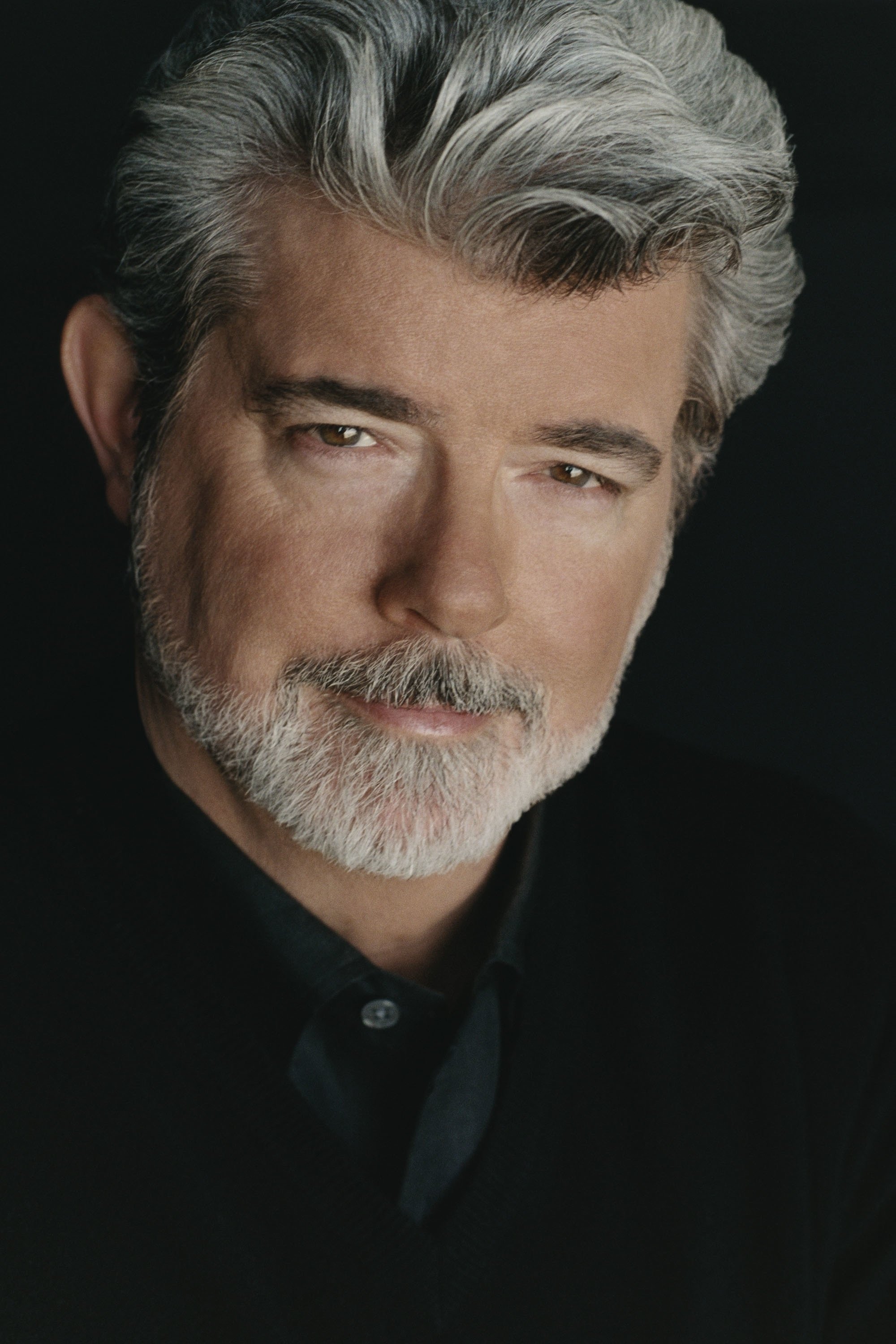
George
Lucas
Architect of Modern Mythology and Independent Cinema Pioneer
Current Studio
Lucasfilm
Primary Discipline
Filmmaker
Region
North America
Status
Four-Time Academy Award Nominee
This profile is ready to be claimed by the verified representative. Request agency access to confirm the booking route.
Booking Intelligence
Disney+ currently hosts the entire Star Wars and Indiana Jones libraries, ensuring he remains visible to a massive, global audience every day.
Known For
Creator / Director
Star Wars
The mythic battle between light and dark he created provides a moral compass for millions of fans who dress as his characters and study every detail of his galaxy. Fans identify with the sheer scale of his imagination. They attend conventions to celebrate the community he made possible. Meeting him represents a pilgrimage to the source of their most meaningful childhood memories.
Creator / Producer
Indiana Jones
The return to classic pulp adventure reminded audiences of the joy of cinematic discovery. Fans connect with the grounded, gritty hero he co-created. They show up in fedoras and carry whips to honor a style of filmmaking that feels timeless. For many, he is the reason they fell in love with the idea of global adventure.
Why Book George Lucas
The Star Wars community is the most robust and cross-generational fandom in the world, maintaining high levels of convention participation for nearly fifty years. A live appearance would be a landmark event for fans who view him as the singular architect of their most valued stories. With Star Wars: Maul - Shadow Lord releasing in 2026, there is a immediate opportunity to capture the surge of interest in the franchise's legacy.
Advocacy
Convention Experience
No confirmed convention appearances found.
Fan Engagement
Reserved and selective — rarely appears at fan events, so encounters carry enormous weight; those who have met him describe a quiet, thoughtful presence rather than a showman.
Recent Work
Star Wars: Maul - Shadow Lord
2026As a new theatrical release, this project will drive a massive wave of fan interest and media coverage in 2026.
Star Wars: The Mandalorian and Grogu
2026This is the first theatrical Star Wars film in years and features characters that have a dominant presence in modern convention cosplay.
Star Wars: Starfighter
2027A new Star Wars film featuring established characters will generate significant fan interest and cosplay opportunities.
The Draft!
2026A project with a 'Thanks' credit from George Lucas indicates his involvement and could be of interest to fans of the film.
George — Biography
George Lucas is the filmmaker who fundamentally changed how the world experiences movies. Before he built a galaxy far, far away, he was a young director in the New Hollywood movement. He focused on visual storytelling and technical innovation. His early work on American Graffiti proved he could capture the heart of a generation. This success gave him the freedom to create the Star Wars and Indiana Jones franchises. Today, his impact extends far beyond the director’s chair. He founded companies like Industrial Light & Magic and Lucasfilm, which redefined special effects and sound for the enti…
Community Verdict
Seen George Lucas Live?
Rate the guest experience from 1 to 10. If you leave a comment, it can appear publicly in the User Feedback section.
Scores stay hidden until at least 3 ratings are submitted.
Checking sign-in status...
Career Acts & Milestones
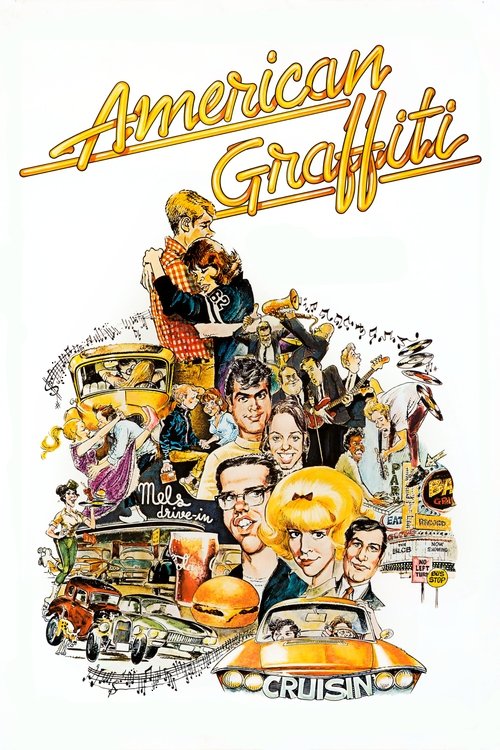
1965–1973
The New Hollywood Maverick
He starts as an experimental filmmaker focusing on visual tone rather than traditional plots. He risks his early reputation on THX 1138, a cold sci-fi film that fails commercially. He proves his range with American Graffiti, turning personal nostalgia into a massive hit that funds his future independence.
"I've always been an independent filmmaker."
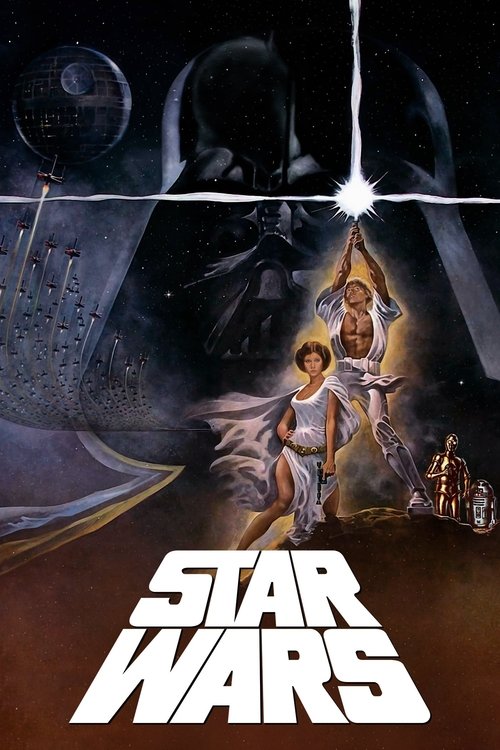
1977–1983
Building the Empire
He creates a space opera that many peers expect to fail. The project costs him his health and personal time but results in a cultural phenomenon. He spends this era building a company that controls its own destiny through merchandising and technical control.
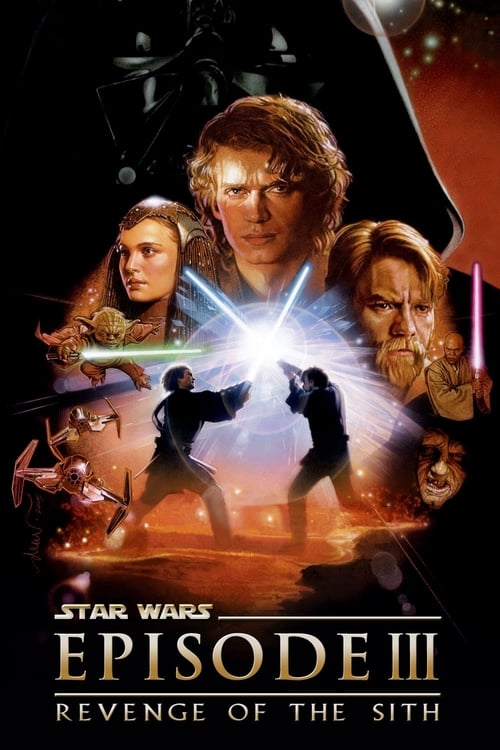
1997–2005
The Digital Vanguard
He returns to the director's chair to explore the origins of his most famous story. He risks fan backlash by moving fully into digital filmmaking and CGI. This period proves his commitment to technical progress over traditional craft, changing how movies are made forever.
Industry Recognition
Academy Awards
Best Director (Nomination)
Star Wars
Academy Awards
Best Original Screenplay (Nomination)
Star Wars
Academy Awards
Best Director (Nomination)
American Graffiti
Academy Awards
Best Original Screenplay (Nomination)
American Graffiti
Craft & Expertise
World Building
He creates entire cultural ecosystems with distinct languages, religions, and histories. Star Wars became a global phenomenon because the universe felt lived-in and ancient from the first frame.
Technical Innovation
He pushed the limits of what was possible in film sound and visual effects. Through companies like THX and ILM, he changed the sensory experience of going to the cinema.
Mythic Structure
He applied classical hero journeys to modern settings to create timeless stories. This approach is why his characters resonate across different cultures and age groups for decades.
Visual Editing
He views film as a visual medium first and uses editing to dictate the rhythm of the story. His fast-paced cutting style in early films influenced the structure of the modern blockbuster.
The Registry
Total Credits
269
Career Span
1965-2027
Peak Decade
2000s
Peak Credits
82 titles
By Decade
By Role
By Genre
Highest rated credit: The Godfather (1972) — 8.7/10 · Assistant Editor
Complete Filmography — George
A poster-free credit ledger. Every title links to its TMDB source while keeping the full registry readable at scan speed.

2020s
24 credits
This product uses the TMDB API but is not endorsed or certified by TMDB.
Notable Locations
Modesto
United States
Productions
His hometown and inspiration for early work.
San Francisco
United States
Productions
Base for Lucasfilm and technical innovations.
Editorial & Reference
George Lucas: Star Wars Creator & Lucas Museum Founder
George Lucas remains an experimental filmmaker who happened to create the world’s largest commercial successes. He sees film as a series of moving paintings rather than a medium for actors to recite lines. This focus on visual tone and rhythmic editing is the true pulse of his work. While critics once focused on his dialogue, a closer look at his frames reveals a deep knowledge of documentary style. He treats the alien world of Tatooine with the same camera eye he used for race cars in Modesto.
He views his stories as living things that require constant maintenance. This is why he revisited his films for decades. Most see this as a refusal to let go, but it is actually the mindset of an engineer. He is not interested in capturing a performance so much as he is in building a perfect machine. His work is best understood through the lens of speed and sound. These are the elements he used to bridge the gap between 1940s serials and modern digital cinema.
His choice to stay in Northern California was a deliberate act of independence. By building Skywalker Ranch, he created a space where technology could catch up to his imagination. He did not just wait for better cameras or sound systems to exist. He built the companies that made them. This makes him more than a director. He is the architect of the tools that the entire modern entertainment industry now uses every day.
Modified car engines and the smell of burnt rubber on a Modesto drag strip define the early visual language of the man who built the Jedi. Before he ever thought of lightsabers, he wanted to be a professional race car driver. A near-death car accident just days before his high school graduation changed his path forever. This moment shifted his focus from the racetrack to the camera lens. It gave him a unique perspective on speed and movement that still guides his work today. He does not just tell stories. He builds fast-moving systems where sound and image work together like a fine-tuned engine. This technical background makes him different from almost any other director in history. He used this same drive to build a studio that changed how everyone watches movies.
Making the first Star Wars movie in 1977 changed how people thought about the future. Most science fiction at the time looked clean and white. He insisted on a used universe where spaceships had grease stains and dented metal. This choice made the fantasy feel real to millions of viewers. People connected with the journey of a farm boy who wanted more from life. This story combined old myths with new technology in a way that felt both fresh and familiar. It created a global community that is still growing today. Fans do not just watch these movies. They live inside them. They study the lore and the tech because he put so much detail into every frame. He proved that a movie about space could have the heart of a classic western.
Many fans might not realize how much he did for movies before and after his biggest hits. He directed American Graffiti to show what it was like to grow up in the early 1960s. This movie was a huge hit and used a soundtrack of rock and roll to drive the story. He also helped his friends like Francis Ford Coppola and Steven Spielberg build their own careers. He produced Willow and the Indiana Jones series. These projects proved he could master many different types of stories. His work on The Young Indiana Jones Chronicles pushed the limits of what television could do. He used that show to test new digital tools. These tools later changed how all movies are made. He is a builder who creates the tools he needs when they do not exist yet.
Fandom communities have a very deep and complex relationship with his work. For a long time, some older fans were critical of the prequel movies he made in the early 2000s. Today, those same movies are celebrated by a new generation that grew up with them. These fans see the big ideas and the world-building that others missed. At a convention, he is often called The Maker. Seeing him is like a pilgrimage for people who have spent their lives in his galaxy. He is the reason why fan conventions became so popular in the first place. People show up to thank him for giving them a place to belong. He represents the idea that one person with a camera can change the world. Promoters see him as the ultimate guest because his work touches every part of pop culture.
Current projects show that he is still very busy even after selling his company to Disney. The Lucas Museum of Narrative Art is set to open soon in Los Angeles. This massive project aims to teach people how visual stories work across history. He is also a frequent visitor on the sets of new Star Wars shows like The Mandalorian. The creators of those shows often look to him for advice on how the Force works. His presence is still felt in every new project that carries the Lucasfilm name. Even though he is no longer running the day-to-day business, his vision remains the foundation. He is currently focused on how art can help educate children through his foundation. This shows his commitment to the future of storytelling.
His dedication to being an independent filmmaker is a story that inspires many creators. He spent a large part of his career building his own studio in Northern California. He did this to stay away from the influence of big Hollywood companies. He wanted to make sure his creative choices stayed his own. This spirit of independence is what allowed him to take huge risks on things like digital sound and computer graphics. He founded Industrial Light and Magic because he needed better special effects. He founded THX because he wanted movie theaters to sound better. He spent his own money to make these things happen. This shows a deep commitment to the craft that goes beyond just making a profit. He changed the industry by refusing to follow its rules.
Meeting the person behind these stories is a rare and powerful experience for any fan. He does not make many public appearances. This makes every panel he joins a major event. He speaks with a quiet authority about the themes of family, choice, and greed that fill his work. Promoters know that his name alone can draw thousands of people from all over the world. He provides a direct link to the history of modern cinema. Fans do not just want an autograph. They want to be in the room with the person who imagined their favorite worlds. His legacy is not just in the movies he made. It is in the millions of people who became artists and engineers because of him. He is the original architect of the modern fan experience.
Frequently Asked
6 questions answered