Fred
Dekker
Cult Horror Architect & Genre-Bending Screenwriter
Current Studio
20th Century Studios
Primary Discipline
Writer
Region
North America
Status
Brussels International Fantastic Film Festival Award Winner
Represented By
 Convention All Stars LLCNot yet on Taleventry
Booking Intelligence
The 40th anniversary of "Night of the Creeps" in 2026 is driving renewed fan interest and convention bookings.
Known For
Director / Writer
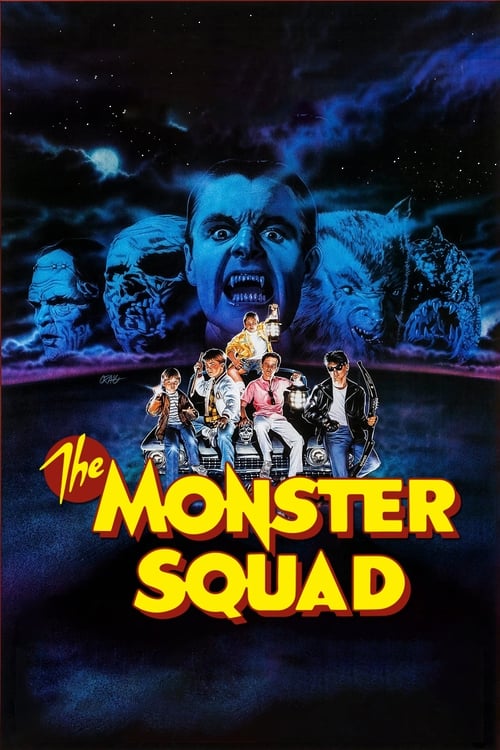
The Monster Squad
The film captured the pure excitement of childhood adventure against real monsters — fans identify with the underdog 'losers' club and show up to express gratitude for a movie that defined their youth.
Director / Writer
Night of the Creeps
The clever blend of sci-fi and slasher tropes created a unique midnight movie culture where fans still quote lines and dress up as the iconic 'slug' victims at genre events.
Writer
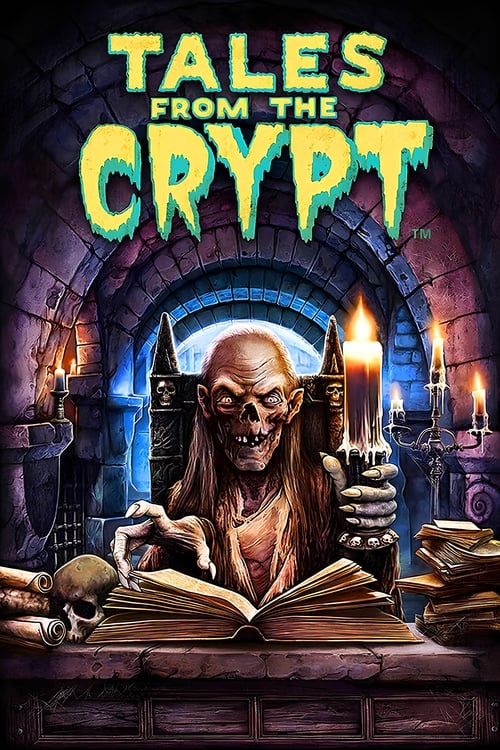
Tales from the Crypt
His scripts brought a dark, EC Comics-inspired humor to television that horror collectors view as the definitive era of anthology television storytelling.
Why Book Fred Dekker
The "Monster Squad" fandom is a multi-generational force that treats every appearance as a major reunion event, with fans eager for behind-the-scenes insights into 1980s creature design. The 40th anniversary of "Night of the Creeps" in 2026 makes Fred Dekker a priority guest for legacy horror panels and retrospective screenings. A recent IMDb listing highlights a "Night of the Creeps" reunion screening in Austin, indicating current fan engagement.
Convention Experience
Fan Engagement
Fred Dekker was awarded an honorary prize at the Sitges Film Festival in July 2024, indicating continued industry recognition and potential for positive fan engagement.
Fred — Biography
Fred Dekker is a pivotal figure in the 1980s landscape of high-concept genre filmmaking. He entered the industry with a deep reverence for classic monster movies. This passion led him to write the script for House and direct the cult favorite Night of the Creeps. He is perhaps best known for co-writing and directing The Monster Squad. This film became a definitive childhood touchstone for a generation of horror fans. His ability to blend suburban comedy with genuine creature features created a unique aesthetic that still influences modern filmmakers today. Beyond his early directorial hits, D…
Live Appearances
Fred on the Circuit
Fred Dekker is confirmed for 1 upcoming appearance. Check dates and locations below for photo opportunities, signings, and panel appearances.
Convention Circuit
ScareFest Weekend 18 (2026)
Lexington (KY), USA

Community Verdict
Seen Fred Dekker Live?
Rate the guest experience from 1 to 10. If you leave a comment, it can appear publicly in the User Feedback section.
Scores stay hidden until at least 3 ratings are submitted.
Checking sign-in status...
Career Acts & Milestones
1985–1988
The Genre Architect
Dekker establishes himself as a master of the horror-comedy hybrid. He takes risks by mixing classic monster tropes with modern suburban settings. This period proves he can handle large-scale practical effects on modest budgets.
"I wanted to make a movie that felt like the movies I loved as a kid."
1989–2005
The Franchise Hand
He shifts into writing for major television and film franchises. He risks his reputation on the ambitious RoboCop 3 and moves into the episodic worlds of Star Trek and Tales from the Crypt. This era proves his versatility across different studio systems.
2006–Present
The Cult Legacy
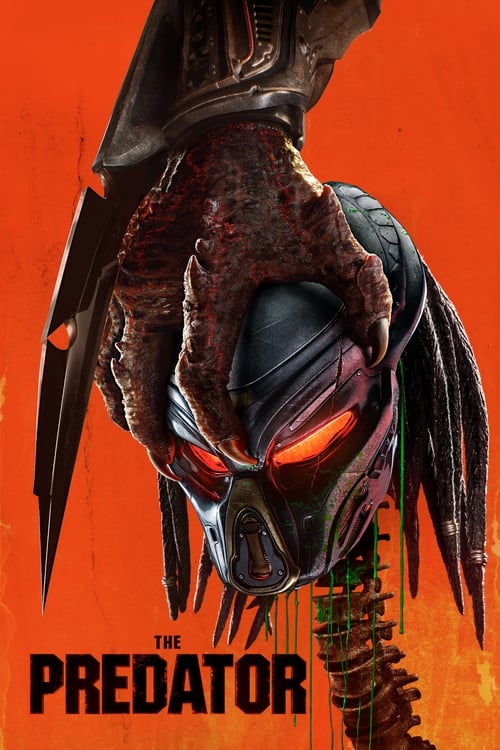
His early work undergoes a massive cultural reappraisal by a new generation. He returns to the big screen by co-writing The Predator and participates in documentaries celebrating his influence. This period confirms his status as a permanent fixture in horror history.
Industry Recognition
Brussels International Fantastic Film Festival
Silver Raven
The Monster Squad
Avoriaz Fantastic Film Festival
Critics' Award
House
Craft & Expertise
Cult Horror-Comedy Direction
Fred is the visionary behind genre-bending classics like Night of the Creeps and The Monster Squad that masterfully balance scares with humor. His ability to blend disparate tones has earned him a dedicated following among horror enthusiasts and cinephiles alike.
Genre-Defining Screenwriting
Beyond directing, he has penned influential scripts for films like House and The Predator, showcasing a deep understanding of action and horror tropes. His writing often revitalizes classic cinematic archetypes for modern audiences through sharp dialogue and inventive plotting.
80s Nostalgia & World-Building
He excels at creating immersive worlds that capture the specific 'kids on an adventure' spirit of 1980s cinema while maintaining a mature edge. This signature style has made his work a cornerstone of the retro-revival movement in contemporary filmmaking.
Practical Effects Collaboration
Throughout his career, Fred has championed the use of tangible creature effects and animatronics to create lasting, visceral cinematic moments. He works closely with legendary effects houses to ensure that his monsters possess a physical presence that digital alternatives often lack.
The Registry
Total Credits
20
Career Span
1976-2020
Peak Decade
2010s
Peak Credits
8 titles
By Decade
By Role
By Genre
Highest rated credit: Tales from the Crypt (1989) — 8.0/10 · Director
Complete Filmography — Fred
A poster-free credit ledger. Every title links to its TMDB source while keeping the full registry readable at scan speed.

2020s
1 credit
2010s
8 credits
2000s
2 credits
1990s
4 credits
1980s
4 credits
1970s
1 credit
This product uses the TMDB API but is not endorsed or certified by TMDB.
Notable Locations
Los Angeles
United States
Productions
Primary production and industry base.
San Francisco
United States
Current residence and creative base.
Editorial & Reference
Fred Dekker: Director of The Monster Squad & Night of the Creeps
The through-line of this work is a refusal to let the monsters be the only interesting things on screen. While peers in the 1980s were racing to build the bloodiest practical effects, he was busy mapping the interior lives of the people running away. He treats pulp history as a living language. He understands that a kid in a treehouse or a burned-out detective needs a clear moral code to survive a genre film. This makes his stories feel structural and solid. They are built on the bones of classic cinema but dressed in the loud neon and denim of the Reagan era.
A serious student of his output notices a deep sense of longing for a lost age of adventure. He does not just reference the Universal Monsters. He uses their tragic nature to mirror the growing pains of his young protagonists. Most people see a fun creature feature, but he is actually writing about the moment childhood safety ends. This is why the scares in his work feel earned. He never lets the camera wink at the audience. He takes the threat of a gillman in a swamp just as seriously as a police investigation in a college town.
His writing style shows a mastery of the fast, rhythmic dialogue that defined a specific decade of high-concept hits. Even when he is not in the director’s chair, his scripts carry a sharp, punchy energy. He views every project through the lens of a fan who finally got the keys to the studio. He keeps the stakes high by making the relationships feel real. This balance of geek-culture passion and veteran craft is what makes his work stay relevant long after other films from the same period have faded.
Black-and-white footage of a 1930s alien craft crashes into a 1950s sorority house during the opening of his first film. This sequence from the cult hit Night of the Creeps shows a creator who lives in the history of cinema. He treats every genre as a set of tools to be used and mixed. He combines alien slugs with detective noir and the classic zombie tropes of the past. This style made him a central figure in the 1980s horror and sci-fi boom. He writes for the people who stayed up late to watch the second feature on local television. His work is full of details that only a true fan of the craft would include. This deep knowledge of film history allows him to bend rules and create something fresh. Fans still talk about the dry wit of Detective Cameron and the chaos of the prom night scene.
Most viewers first found his work through a secret meeting in a suburban treehouse. The Monster Squad remains a definitive piece of childhood adventure for a whole generation. It does not treat the young characters like children who need protection. Instead, it treats them like heroes who must save their town from the ultimate evil. He gave Dracula, the Wolfman, and the Gillman a modern edge while keeping their iconic look from the black-and-white era. The line about the Wolfman having nards is still a shout of joy for adults who saw the film in 1987. It captures the exact feeling of being a brave misfit in a world that does not believe you. The film works because it understands the bond between friends who share a niche passion.
His range as a writer and director goes far beyond the suburban settings of his early hits. He wrote the original story for the movie House, which blended haunted house scares with the trauma of war. Later, he took his talent for sharp dialogue to the bridge of the Enterprise. He wrote several key episodes for the series Star Trek: Enterprise during its run on television. He also contributed some of the most memorable scripts to the HBO anthology Tales from the Crypt. He knows how to build a sense of dread in thirty minutes or two full hours. His work on RoboCop 3 showed he could handle large franchises with a focus on character and action. He often finds the human heart inside the machine or the monster in every story he tells.
The community around these films is one of the most loyal groups in the world of genre cinema. They do not just like the movies. They live the values of the clubs and squads shown on the screen. At conventions, fans often show up wearing custom jackets or carrying rare VHS tapes from their childhood collections. He connects with the people who value practical monster makeup and animatronics over modern digital effects. His signing tables often draw three generations of fans who all love the same stories. Parents who saw his work in theaters now bring their teenagers to meet the man who defined their youth. This group of fans is looking for a connection to the era when monsters felt real and physical. They appreciate his honest approach to the genre and his respect for the audience.
You can find his classic films on major streaming sites like Prime Video, Tubi, and Shudder today. The documentary Wolfman's Got Nards shows the massive global impact of his directorial work. It explores how a movie that was once a quiet release became a worldwide phenomenon through word of mouth. He continues to be a major voice in the horror community through these screenings and new projects. His recent work with Shane Black on The Predator brought his veteran perspective back to the big screen for a new era. Fans are always looking for his name in the credits of upcoming action and horror titles. He remains active in the industry and stays close to the fan communities that supported him from the start. His presence on a project is a sign of quality for anyone who loves high-concept storytelling.
His long career grew out of a real friendship with director Shane Black that started at UCLA. They were part of a group of young filmmakers who wanted to bring back the thrill of the movies they grew up with. This bond shows in the way his characters speak to each other on the screen. They use fast, smart dialogue that sounds like the way real friends talk when the stakes are high. He values the idea that a team of outcasts is stronger than any single hero working alone. This theme of found family runs through almost every script he touches. It is the reason why his work feels so warm and personal even when monsters are attacking. He writes about the people he knows and the things he loves, and the audience can feel that truth.
Meeting him at a convention is a chance to talk to a true student of the silver screen. He does not just sign a photo or a poster. He often shares specific stories about working in Stan Winston’s creature shop or writing for the Crypt Keeper. He understands why these stories matter to the people who watch them because he is a fan himself. He is a person who made it behind the camera and stayed true to his roots. A conversation with him is a masterclass in how to build a world out of nothing but imagination and hard work. His presence at an event reminds everyone why they fell in love with movies in the first place. He represents the best of a time when movies were made for the people who sat in the front row.
Frequently Asked
6 questions answered