Represented By
 Convention All Stars LLCNot yet on Taleventry
Booking Intelligence
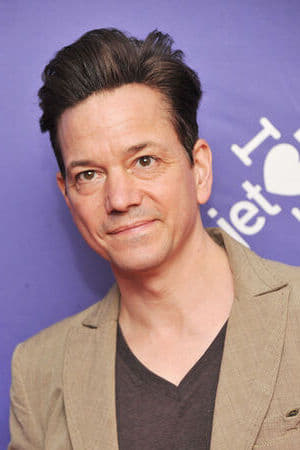
Frank Whaley was cast in the upcoming film Saint Clare, set for release on July 18, 2025.
Known For
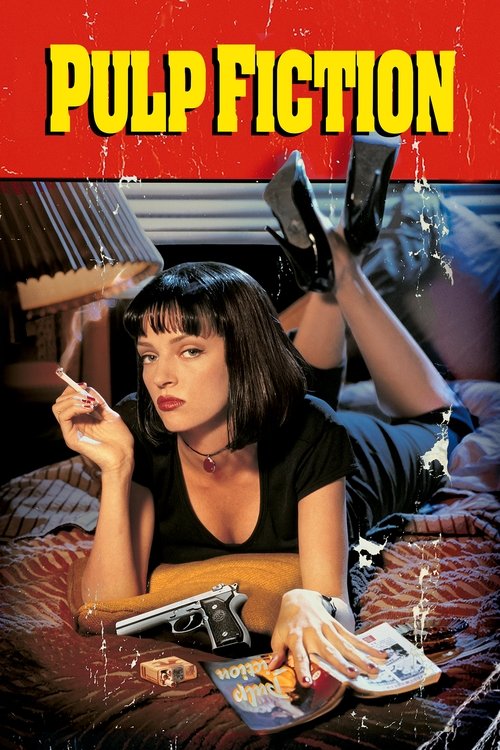
Brett
Pulp Fiction
The sheer terror he projected made the audience feel the physical stakes of the scene — fans identify with his role as the 'everyman' caught in a legendary monologue; they frequently bring Big Kahuna Burger memorabilia to signings to celebrate his part in cinematic history.
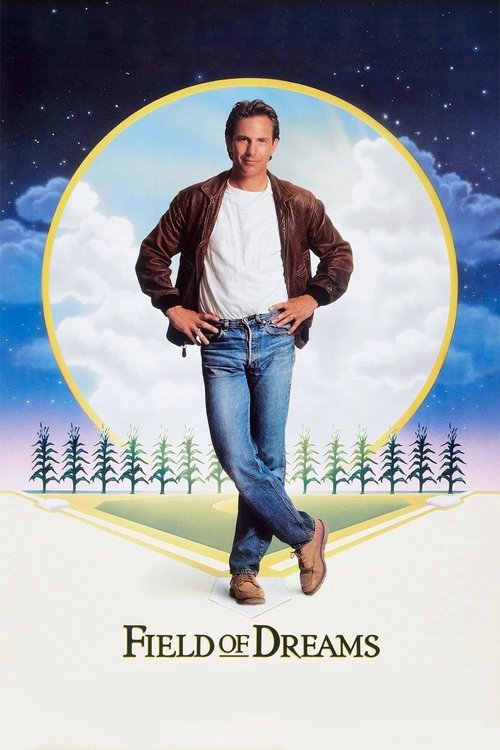
Archie 'Moonlight' Graham
Field of Dreams
He embodied the bittersweet hope of a missed opportunity, a performance that remains the emotional anchor for sports fans decades later; he receives a deeply personal response at conventions from fans who associate him with family rewatch traditions.
Jim Dodge
Career Opportunities
His comedic timing captured the specific lethargy of 90s mall culture, making him a primary target for fans of nostalgic teen cinema; the film's second life on social media keeps his signing lines active with younger 'retro' enthusiasts.
Detective Rafael Scarfe
Marvel's Luke Cage
The moral complexity he brought to the corrupt detective role made him a standout in the Marvel Knights era — his performance, not just the script, is why fans of gritty noir still seek him out for group panels.
Why Book Frank Whaley
Frank Whaley anchors the most iconic dialogue scene in Pulp Fiction, making him a high-demand guest for cult cinema collectors and 90s nostalgia fans. Fans show up to hear the technical details of working with Tarantino and to secure autographs on Big Kahuna Burger merchandise. With the ongoing 30th-anniversary cycle of his major 90s hits, he offers promoters a dateable hook for legacy film panels.
Advocacy
Convention Experience
Fan Engagement
Low-key and thoughtful — Pulp Fiction fans appreciate the quiet professionalism he brings to signings, happy to discuss his scenes without performative hype.
Frank — Biography
Frank Whaley is a Syracuse-born actor who established himself as a definitive presence in 1990s American cinema. He first gained widespread attention playing the younger version of Archie 'Moonlight' Graham in the 1989 classic Field of Dreams. This role established his ability to project a specific kind of earnest, time-worn sincerity that contrasted with the cynical tone of the era. His career reached a cultural peak in 1994 when he appeared as Brett in Pulp Fiction, providing the essential, terrified foil to one of the most famous monologues in film history. Beyond his work in front of the…
Community Verdict
Seen Frank Whaley Live?
Rate the guest experience from 1 to 10. If you leave a comment, it can appear publicly in the User Feedback section.
Scores stay hidden until at least 3 ratings are submitted.
Checking sign-in status...
Career Acts & Milestones
1987–1991
The Earnest Breakthrough
Whaley builds a foundation by playing sensitive, often idealistic young men in high-profile dramas. He risks being typecast as the soft-spoken youth but secures his legacy in Field of Dreams. This period proves his ability to hold the screen alongside massive stars like Kevin Costner.
"I was just a kid from Syracuse trying to keep my eyes open."
1994–2002
Cult Iconography
He pivots toward darker, more volatile characters in the independent film explosion of the 1990s. By playing the terrified Brett in Pulp Fiction, he trades leading-man potential for permanent cult status. He then risks his acting career to establish himself as a serious director with Joe the King.
2013–2026
The Character Specialist
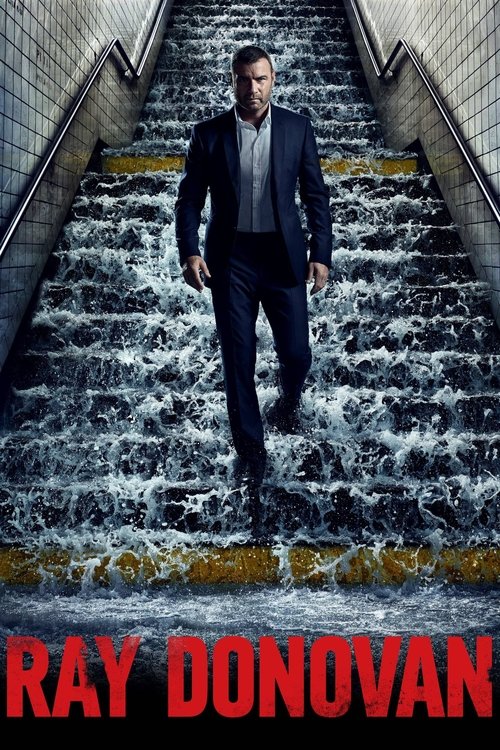
Whaley transitions into the 'prestige TV' era, taking complex roles in serialized dramas like Ray Donovan. He uses his established 'nervous energy' to play characters who are both threatening and vulnerable. This era proves his longevity in a rapidly changing media landscape.
Industry Recognition
Waldo Salt Screenwriting Award
Screenwriting
Joe the King
Craft & Expertise
Reactive Performance
He excels at playing the high-stakes victim or foil in tense, dialogue-heavy scenes. His performance as Brett in Pulp Fiction remains the industry standard for reactive acting.
Indie Auteurism
Whaley successfully pivoted from character actor to award-winning screenwriter and director. His work on Joe the King showcases a gritty, personal style of storytelling.
Period Authenticity
He effectively captures the specific mannerisms of different eras, from the 1960s in The Doors to the 1920s in Field of Dreams. Directors rely on his ability to ground historical settings.
Genre Versatility
His career seamlessly bridges the gap between prestige sports dramas and gritty urban noir. He carries the same level of intensity from Field of Dreams to Luke Cage.
The Registry
Total Credits
120
Career Span
1951-2025
Peak Decade
2010s
Peak Credits
37 titles
By Decade
By Role
By Genre
Highest rated credit: House (2007) — 8.6/10
Complete Filmography — Frank
A poster-free credit ledger. Every title links to its TMDB source while keeping the full registry readable at scan speed.

2020s
10 credits
2010s
14 credits
This product uses the TMDB API but is not endorsed or certified by TMDB.
Notable Locations
Syracuse
United States
Productions
Hometown and location for his directorial debut
Los Angeles
United States
Productions
Primary production hub for his major 90s film work
Dubuque
United States
Productions
Filming location for his breakout role in Dyersville area
New York City
United States
Productions
Frequent location for his recent television work
Editorial & Reference
Frank Whaley: The Cult Icon of Pulp Fiction and Field of Dreams
Frank Whaley maintains a career built on the mechanics of discomfort. While other actors of his generation chased conventional leading roles, Whaley found his niche in the precise moment of a character's breaking point. This is most evident in his frequent casting as the intellectual under pressure, a trope he refined through the 1990s. He possesses a specific physical vocabulary for anxiety—the darting eyes and shallow breathing—that directors use to heighten scene tension.
His transition to directing revealed a much darker, more grounded creative sensibility than his early acting roles suggested. Joe the King is a stark departure from the whimsical nostalgia of his breakthrough work. It suggests an artist who was methodically observing the darker corners of the human experience while playing the ingenue. This dual identity makes him a rare booking candidate who appeals to both the cult film enthusiast and the serious student of independent cinema.
The first thing audiences notice about the breakfast scene in Pulp Fiction is the silence of the man in the chair. Frank Whaley played Brett in the 1994 masterpiece, providing the essential, vibrating terror required to make the Big Kahuna Burger monologue work. While Samuel L. Jackson delivered the words, Whaley provided the stakes through a performance of pure, reactive physical anxiety. This role cemented him as a permanent fixture in cult cinema history. Fans who ask whether Frank Whaley still attends conventions will find a performer with a vast library of stories from the peak of the 1990s independent film movement.
Frank Whaley is an American actor best known for playing Archie 'Moonlight' Graham in Field of Dreams. That film, which ran in theaters in 1989 and was distributed by Universal Pictures, established his ability to project a haunting, earnest sincerity. He followed this with a string of era-defining roles, including the lead in the 1991 cult comedy Career Opportunities. In that film, he played Jim Dodge, a character that captured the specific mall-culture boredom of the early nineties. These two credits alone ensure that Whaley appeals to two distinct demographics: sports fans looking for a piece of cinematic history and retro-culture enthusiasts who grew up with his comedies.
Most fans may not realize that Whaley is also an accomplished filmmaker behind the camera. He wrote and directed Joe the King in 1999, a gritty drama that earned him the Waldo Salt Screenwriting Award at Sundance. His wider career includes a diverse range of roles, such as playing Robby Krieger in the 1991 biopic The Doors and a medic in the 1998 war film When Trumpets Fade. He has worked with directors as varied as Oliver Stone and Ethan Coen, proving a professional range that extends far beyond his most famous cult roles. This technical depth makes him a primary candidate for panels focused on the craft of acting and the history of independent cinema.
The convention circuit for Frank Whaley is driven by a unique intersection of legacy fandoms. The question of what Frank Whaley has done since Pulp Fiction is answered by his extensive work in prestige television. He appeared as Detective Rafael Scarfe in Marvel's Luke Cage in 2016 and as Van Miller in the Showtime series Ray Donovan. These roles introduced him to the modern superhero and crime drama communities, ensuring he remains relevant to audiences who may not have seen his early 90s work. Promoters find that his lines are often populated by a mix of Marvel collectors and vintage film buffs.
Currently, the legacy of Frank Whaley is more accessible than ever due to the streaming availability of his catalog. Pulp Fiction remains a staple on Paramount+, and Field of Dreams continues to be a top-performing title on various platforms during baseball season. This constant digital presence acts as a permanent marketing tool, introducing his work to new generations of film students and casual viewers alike. His 2021 appearance in the Gossip Girl reboot on Max further proved his ability to adapt to modern television trends without losing his characteristic intensity.
Whaley often speaks about the importance of what a character leaves unsaid, a philosophy that has guided his four-decade career. He grew up in Syracuse, New York, and his journey from a local high school to the University at Albany and then to the heights of Hollywood is a classic industry success story. This grounded background often reflects in his fan interactions, where he is known for discussing the technical nuances of his most famous scenes. He remains a respected figure among his peers for his transition from a teenage actor to a multifaceted director and writer.
Meeting Frank Whaley in person offers fans a direct connection to the 'Golden Age' of American independent film. He is not just a face from a famous scene; he is a witness to a transformative period in Hollywood history. A convention appearance by Whaley provides promoters with a guest who can speak authoritatively on everything from the MCU to the intricacies of Sundance filmmaking. His presence at a signing table is a factual reminder of why the 1990s continue to dominate the modern cultural imagination.
Frequently Asked
6 questions answered