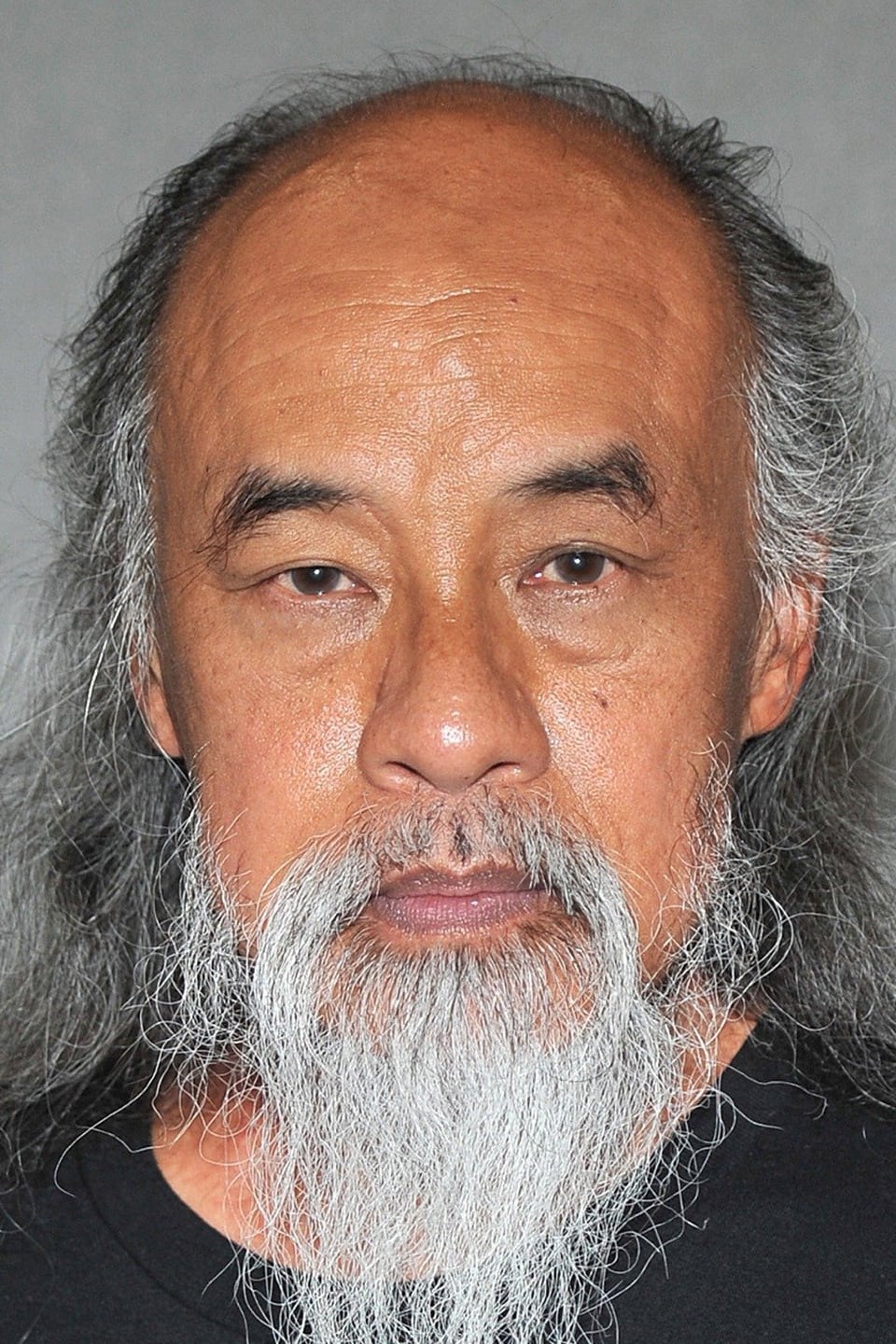
Al
Leong
Cult Action Icon & Martial Arts Specialist
Current Studio
Warner Bros. Pictures
Primary Discipline
Actor & Stunt Coordinator
Region
North America
Status
Martial Arts History Museum Hall of Fame Inductee
Represented By
 Convention All Stars LLCNot yet on Taleventry
Booking Intelligence
Al Leong's role as Osho in the 2020 film "Death by Midnight" is available for streaming, potentially introducing him to new audiences.
Known For
Uli
Die Hard
The specific moment he steals a candy bar during the heist humanized the villainy for fans, creating a lasting identification with his character that drives constant requests for chocolate bar signings at conventions.
Endo
Lethal Weapon
His cold, methodical performance during the torture scene provided a genuine sense of danger for Mel Gibson's character, earning him a reputation for physical intensity that fans still celebrate through rewatch culture.
Wing Kong Hatchet Man
Big Trouble in Little China
The film's massive cult following celebrates his athletic combat skills and iconic look, leading to dedicated cosplay groups who seek him out for insights into the film's complex fight choreography.
Genghis Khan
Bill & Ted's Excellent Adventure
This role showcased his comedic timing alongside his physical presence, attracting a cross-generational audience that values his contribution to the film's surrealist humor and iconic historical character group.
Osho
Death by Midnight
His role as Osho in this 2020 film highlights his continued presence in the industry, appealing to fans who appreciate his evolution and willingness to take on diverse characters.
Why Book Al Leong
Al Leong is a cult icon for 80s action fans, particularly for his memorable roles in "Big Trouble in Little China" and "Lethal Weapon." Conventions see high attendance for these fans seeking behind-the-scenes stories and memorabilia from genre legends. With the 40th anniversary of "Big Trouble in Little China" approaching in 2026, Al Leong is a prime target for legacy panels and cast reunions.
Convention Experience
Fan Engagement
Relaxed and good-humoured at signings — known for leaning into the fun of his cult status and sharing stories from 80s action sets with evident enjoyment.
Recent Work
Death by Midnight
2020Highlights Al Leong's recent film work, potentially attracting fans of this specific project.
Time Flies When You Are Having Fun! A Look Back at a Most "Excellent Adventure"
2020As a self-documentary, this indicates Al Leong's willingness to engage with his past work and fans, making him a good candidate for convention appearances related to 'Bill & Ted'.
Al — Biography
Al Leong is the definitive face of the 1980s and 1990s action henchman. Known for his signature Fu Manchu mustache and long hair, he transitioned from a martial arts champion to a Hollywood staple. He built a career by providing a credible physical threat to the era's biggest stars. He has shared the screen with Mel Gibson, Bruce Willis, and Kurt Russell in some of the most celebrated films in the genre. His work transcends simple stunt performance through a unique screen presence that humanized minor antagonists. Whether he was eating a candy bar during a heist or wielding a hatchet, he made…
Community Verdict
Seen Al Leong Live?
Rate the guest experience from 1 to 10. If you leave a comment, it can appear publicly in the User Feedback section.
Scores stay hidden until at least 3 ratings are submitted.
Checking sign-in status...
Career Acts & Milestones
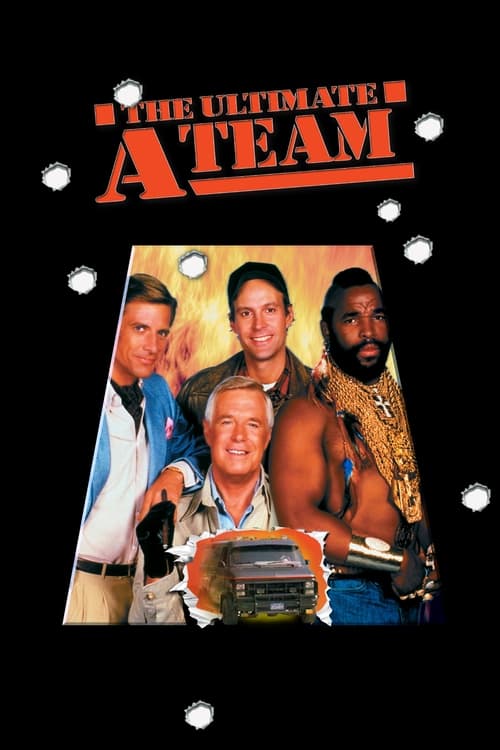
1980–1985
The Network Era
Leong builds his reputation as a reliable physical performer in the episodic television boom. He takes on numerous roles in shows like The A-Team and Knight Rider, proving his versatility in high-speed production environments. These early years establish the work ethic that would soon lead to major film casting.
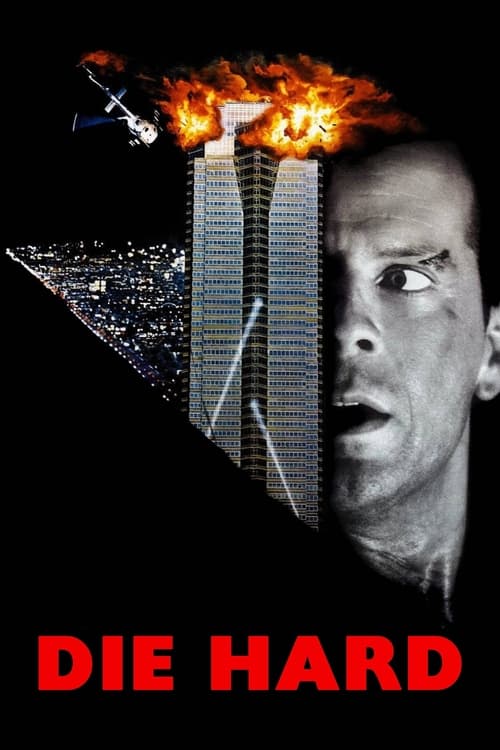
1986–1992
The Blockbuster Peak
This period marks his transition into cinema history with a string of definitive genre roles. He moves from Big Trouble in Little China to Die Hard and Lethal Weapon in rapid succession. During these years, he defines the visual language of the modern Hollywood action henchman.
"In those days, you did your own stunts and you made the character yours."
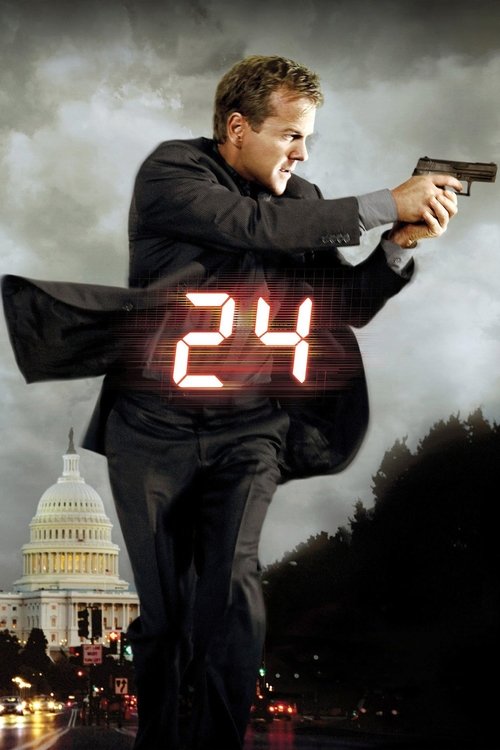
1993–2005
Legacy and Transition
Leong expands his influence by taking on more stunt coordination and fight choreography responsibilities. He uses his decades of experience to mentor younger performers while still appearing in high-profile projects like 24 and Deadwood. He eventually steps back from the physical rigors of the industry to focus on his personal legacy.
Industry Recognition
Martial Arts History Museum Hall of Fame
Inductee
Lifetime Achievement
Craft & Expertise
Physical Storytelling
Leong creates memorable character moments through non-verbal actions and movement. His performance as Uli in Die Hard is studied for how a minor role can achieve immortality through small behavioral choices.
Martial Arts Choreography
He brings authentic Northern Shaolin Kung Fu techniques to high-octane Hollywood productions. His work on Rapid Fire and The Scorpion King set a high standard for on-screen hand-to-hand combat.
Villainous Archetypes
He mastered the 'Elite Henchman' role by balancing physical intensity with a cool, focused demeanor. This made him the preferred choice for directors like John Carpenter and Joel Silver.
Weapon Proficiency
Leong is highly skilled in a wide variety of traditional and modern weaponry. He demonstrated this expertise through his hatchet work in Big Trouble in Little China and electric torture scenes in Lethal Weapon.
The Registry
Total Credits
72
Career Span
1981-2020
Peak Decade
1990s
Peak Credits
29 titles
By Decade
By Role
By Genre
Highest rated credit: Deadwood (2004) — 8.1/10
Complete Filmography — Al
A poster-free credit ledger. Every title links to its TMDB source while keeping the full registry readable at scan speed.

2020s
2 credits
2010s
3 credits
2000s
11 credits
1990s
8 credits
This product uses the TMDB API but is not endorsed or certified by TMDB.
Notable Locations
Los Angeles
United States
Productions
Primary production base for most of his major studio work.
St. Louis
United States
Subject's reported home base and site of early martial arts training.
Vancouver
Canada
Productions
Regular hub for television stunt and acting roles.
Editorial & Reference
Al Leong: Die Hard, Lethal Weapon, and the Face of 80s Action
The real through-line of this career is the absolute economy of movement. He never wastes a gesture. While other performers might try to pull focus, he grounds the scene by doing something mundane. He eats a snack or adjusts a sleeve while a plot happens around him. This makes the violence that follows feel sudden and real. He is the quiet anchor of the 1980s action boom.
Serious students of his work notice his spatial awareness. He knows exactly where the camera is at all times. He positions his body to give the lead actor the best angle for a hit. He is a master of the reaction shot. This is why directors like John Carpenter trusted him with complex fight scenes. He does not just play a villain. He plays a professional doing a job. This adds a layer of realism to the stylized action of the era.
Most people miss how much he anchors the stakes of a film. If the hero cannot beat him easily, the audience feels the danger. He provides the physical evidence that the protagonist is in trouble. His presence on a set was a signal that the fight choreography would be top-tier. He remains the definitive example of how to build a legacy through high-impact, short-duration screen time.
Grabbing a chocolate bar from a shop counter during a high-stakes heist was not in the script. During the filming of Die Hard, that small choice gave the character of Uli a human quirk. It turned a silent gunman into a fan favorite who felt like a real person. This instinct for character is what makes a performer stand out in a crowded action scene. Fans remember the candy bar just as much as they remember the explosions. It is the kind of specific detail that earns a lifelong following in the action community.
Most people first recognize him from the brutal hallways of Nakatomi Plaza or the torture rooms in Lethal Weapon. As Uli in Die Hard, he brought a sense of cool efficiency to the screen. As Endo in Lethal Weapon, he provided a cold and methodical threat to Mel Gibson. These roles worked because he did not have to say much to be scary. His physical presence and the way he moved through a scene did the talking. He built a reputation for being the most dangerous person in the room. This made the hero's eventual victory feel earned and satisfying for the audience.
Beyond the famous henchman roles, his range includes significant work in cult classics. He played the Wing Kong Hatchet Man in Big Trouble in Little China. This role allowed him to show off high-level martial arts skills that are still studied today. He also played Genghis Khan in Bill & Ted's Excellent Adventure. This part showed he could handle comedy just as well as combat. Most fans do not realize he was a top-tier martial arts champion before he ever stepped on a movie set. His background in Kung Fu and Northern Shaolin styles gave his movie fights a level of truth that casual actors could not match. He has worked as a stunt coordinator and director, showing he understands the craft from both sides of the camera.
The fandom for this kind of career is deep and very specific. Action movie collectors and martial arts students make up the core of his audience. At conventions, people often bring Crunch bars or hatchets for him to sign. There is also a dedicated group of fans who track his many onscreen deaths. They view his ability to take a hit or fall as a high art form. Promoters find that he attracts a crowd that values the history of 1980s cinema. These fans are not just looking for a photo. They want to hear stories about the golden age of practical stunts. They want to know what it was like to work with Bruce Willis and Kurt Russell before CGI took over. He represents a time when the hits were real and the stunts were dangerous.
His work is more accessible today than it was thirty years ago. Classics like Die Hard and Big Trouble in Little China are staples on streaming services like Disney Plus and Hulu. New generations are discovering his face through 4K restorations and action movie podcasts. He appeared in the 2020 film Death by Midnight, showing he still has a place in the modern industry. His induction into the Martial Arts History Museum Hall of Fame has also boosted his profile. This recognition reminds fans that his skills are legitimate and his legacy is secure. He remains a key figure for anyone looking into the history of Asian American performers in Hollywood.
Publicly, he has shared his journey as a survivor of both a stroke and cancer. This personal history has created a deep bond with his long-time fans. They see him as a fighter in real life, not just on the screen. He often speaks about the importance of persistence and being happy to work. This humble philosophy makes him a warm and approachable guest at events. He does not treat his fame with a heavy hand. Instead, he treats every fan encounter like a conversation between two people who love movies. This grounded attitude is rare for someone who has been in so many blockbusters. It is a major reason why his table at a convention is always busy.
Meeting him in person offers a look into the history of the stunt industry. He can explain the mechanics of a fight scene or the timing of a squib hit with ease. He is a living link to the practical effects era of Hollywood. Promoters who book him are getting more than a face from a poster. They are bringing in a specialist who understands the mechanics of tension and action. He provides a bridge between the martial arts world and the mainstream film community. His presence at an event guarantees a high level of engagement with fans of 80s nostalgia. He is a professional who knows how to deliver what the audience wants.
Frequently Asked
8 questions answered